


Table of Contents
Your body rarely stays silent before something goes wrong. Weeks before a kidney stone causes you to double over in pain, it often sends smaller signals: a change in how often you use the bathroom, a dull ache in your side, urine that looks or smells different than usual. Knowing what the first signs of kidney stones are can help you catch the problem early, before it turns into a middle-of-the-night emergency room visit.
If you're looking for ways to support your kidneys and urinary tract daily, Alerna Kidney Health offers a curated selection of wellness products designed around that goal. A kidney stone forms when certain minerals and salts in your urine become too concentrated and stick together into a hard mass. Recognizing the earliest signs of this process gives you a real chance to manage it before the pain sets in.
NOTICE THE SIGNS, SUPPORT YOUR ROUTINE
Early urinary changes deserve attention. Pair hydration and professional guidance with Alerna Chanca Piedra for proactive kidney and urinary wellness support.
Explore Chanca Piedra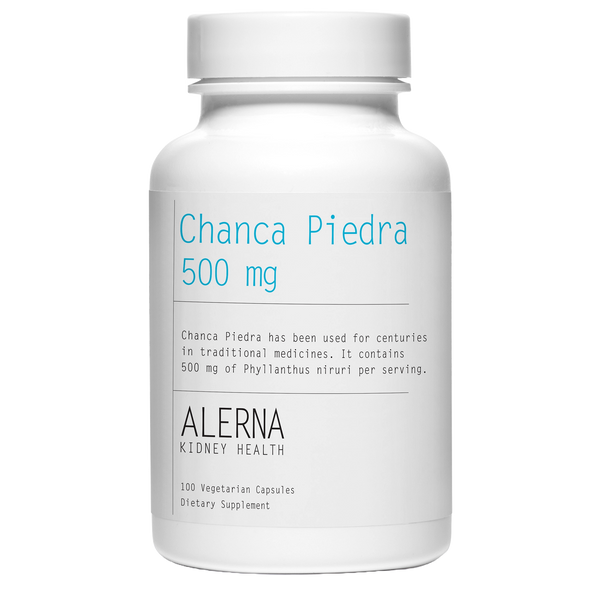
What Is a Kidney Stone?
A kidney stone is a hard clump of minerals and salts that forms inside your kidneys when your urine holds more crystal-forming substances than it can dissolve. These stones, also called renal calculi, range from a grain of sand to a golf ball, and they can sit quietly in your kidney for months before you notice anything at all.
Concentrated Mineral Formations
Kidney stones start when your urine becomes too concentrated with stone-forming crystals, usually because you aren't drinking enough fluids. Calcium oxalate stones are the most common type, followed by uric acid stones, struvite stones, and cystine stones. Each type forms differently, but all of them share the same root cause: too many crystal-forming substances and not enough urine flow to wash them out.
Asymptomatic Initial Stages
Most kidney stones stay silent while they're still small and sitting inside the kidney. You might have a stone forming right now and feel nothing unusual, since pain typically doesn't start until the stone moves and blocks part of the urinary tract. That's exactly why catching early signs matters. Not all kidney stones announce themselves the same way, and some people never feel a thing until a checkup or scan finds one by accident.

What Are the Early Signs of a Kidney Stone?
The early signs of a kidney stone are usually mild and easy to brush off, things like slightly cloudy urine, a bit more urgency to use the bathroom, or a faint ache in your lower back. These small shifts occur when a stone begins to irritate or partially block your urinary system, well before it causes severe pain.
Variability Based on Size
Small kidney stones often pass without you noticing much beyond mild discomfort, while larger stones tend to cause more obvious symptoms sooner. A stone under 4 millimeters usually moves through the urinary tract with little more than minor irritation. Larger kidney stones are more likely to get stuck, and that's when the symptoms become harder to ignore.
Importance of Early Recognition
Catching the early signs of kidney stones gives you time to act before the stone grows or completely blocks urine flow. Early recognition also means you're more likely to catch it with simple blood or urine tests, rather than with an emergency scan. The sooner you notice something is off, the more options you and your doctor have.

Where Does the Discomfort Usually Start?
Discomfort from a kidney stone usually starts in your flank, the area between your ribs and hip on one side of your back. As the stone moves, that ache can shift in location and intensity, which is one of the clearest signs that something is happening in your urinary tract.
Sudden Colicky Sensations
Renal colic is the medical term for the sharp, cramping pain that occurs when a kidney stone moves and blocks the flow of urine. Unlike a steady ache, this pain tends to hit in sudden waves that build to a peak, then ease off, only to return minutes later.
Flank and Groin Radiation
As a stone travels down the urinary tract, kidney stone pain often spreads from your flank down into your lower abdomen and groin. This happens because the ureter, the tube connecting your kidney to your bladder, runs along that path, and irritation anywhere along it can be felt in multiple spots at once.
Discomfort Presenting in Waves
Kidney stone pain rarely stays constant. It tends to come in waves, easing up for a while before returning just as sharply, which is a pattern doctors specifically look for when diagnosing renal colic versus other causes of abdominal pain.
PAIR EARLY AWARENESS WITH DAILY SUPPORT
Track urinary changes, stay hydrated, and know the warning signs. Alerna Chanca Piedra supports urinary comfort and healthy fluid balance.
Add Chanca Piedra SupportWhat Changes Occur in the Urine?
Your urine often changes before you feel any real pain, making it one of the earliest clues that a stone is forming. Blood in your urine and unusual odor are two of the most common early warning signs.
Visible or Microscopic Blood
Blood in your urine, whether you can see it or not, is one of the most telling early signs of a kidney stone. Sometimes urine turns pink, red, or brown. Other times the blood is too small to see and only shows up on a urine test, which is why routine checkups can catch problems before symptoms feel severe.
Cloudy or Foul-Smelling Characteristics
Cloudy or foul-smelling urine can indicate a kidney or urinary tract infection developing alongside a stone. Healthy urine is usually clear to pale yellow, so a sudden change in color or odor is worth paying attention to, especially if it doesn't resolve within a day or two.
How Do Urination Patterns Change?
A kidney stone can change your bathroom habits before you ever feel real pain. Watch for these shifts:
Increased urgency to use the restroom, even when your bladder isn't full
Higher frequency of daily bathroom visits, especially if it's a new pattern for you
Decreased overall urine output, which can signal a partially blocked urinary tract
What Are the Systemic Warning Signs?
Beyond your back and bladder, a kidney stone can affect how you feel all over. Nausea, vomiting, and fever are common systemic warning signs that something more than simple discomfort is going on.
If any of these signs sound familiar, Alerna Kidney Health's educational resources can help you better understand what your body may be signaling and when it's time to talk to a doctor.
Nausea and Vomiting Accompaniments
Nausea and vomiting often accompany kidney stone pain because the nerves connected to your kidneys and digestive system overlap. This is your body's stress response to the pain and blockage, not usually a sign of a separate stomach issue.
Fever Suggesting Possible Infection
A fever paired with kidney stone symptoms may indicate a kidney infection, which requires medical attention right away. Vomiting blood or having a high fever alongside severe pain is never something to wait out at home.

What Increases the Risk of Formation?
Certain habits and health conditions increase your risk of kidney stones more than others. Diet, body weight, and family history all play a role in whether stone-forming crystals build up in your urinary system.
Dietary Factors and Dehydration
Not drinking enough fluids is one of the biggest drivers of stone formation, since concentrated urine gives crystal-forming substances more chance to stick together. Diets high in sodium and animal protein, along with oxalate-rich foods, can also increase kidney stone risk, and unsupervised use of calcium supplements has been linked to a higher risk in some cases.
Obesity and Metabolic Syndrome
Carrying excess weight can change how your body processes calcium, sodium, and uric acid, which can increase your risk of kidney stones over time. Metabolic conditions like type 2 diabetes are also tied to a higher risk of developing kidney stones, particularly uric acid stones.
Family History and Medications
If a parent or sibling has had kidney stones, your own risk of kidney stones goes up. Certain medications, along with conditions like chronic kidney disease, inflammatory bowel disease, and other digestive and kidney diseases, can also raise your chances of stone formation.
How Do Medical Providers Confirm the Issue?
Doctors confirm a kidney stone using a combination of urine and blood tests and imaging. These tools help pinpoint the stone's size, location, and type so treatment can be tailored to your case.
Urinalysis for Blood and Infection
A urine test checks for blood, signs of infection, and crystal-forming substances that suggest a stone is present. This simple test is often the first step a doctor takes when kidney stones are suspected.
Advanced Imaging Techniques
CT scans are the most reliable way to spot kidney stones, since they can detect even small stones that other tests miss. Ultrasound is sometimes used instead, particularly when doctors want to limit radiation exposure.
Laboratory Analysis of Passed Material
If you pass a stone, your doctor may send it to a lab to identify exactly what it's made of, whether that's calcium oxalate, uric acid, struvite, or cystine. Knowing the stone type helps guide future prevention steps.

What Are the Common Management Steps?
Managing a kidney stone usually starts with fluids and pain control and is closely guided by your doctor. Most stones under 4 millimeters pass on their own with the right support.
Increased Fluid Intake
Drinking enough fluids helps flush the urinary tract and can help a small stone pass more easily. Doctors often recommend enough water to keep urine pale yellow throughout the day.
Over-the-Counter Discomfort Relief
Pain medicine, whether over-the-counter or prescribed, helps manage the sharp pain that comes with a stone moving through the urinary tract. Your doctor will guide dosage based on the severity of your symptoms.
Antiemetics for Nausea Management
Anti-nausea medication is sometimes prescribed alongside pain medicine to manage the nausea and vomiting that often accompany kidney stone pain. This combination helps you stay hydrated, which supports the stone's passage.
How Can Someone Reduce Long-Term Risks?
Reducing your long-term risk of kidney stones comes down to a few consistent daily habits, mainly hydration and diet. Small, steady changes matter more than short-term fixes.
Consistent Daily Hydration
Drinking enough fluids every day, not just when you feel thirsty, keeps your urine diluted and lowers stone-forming crystal buildup. This single habit is one of the most effective ways to prevent kidney stones from forming again.
Dietary Modifications and Sodium Reduction
Cutting back on sodium and animal protein, while moderating oxalate-rich foods, can lower your risk of kidney stones. Balanced meals with reasonable amounts of calcium from food, rather than heavy reliance on calcium supplements, tend to support urinary health better than restriction alone.
Provider-Guided Metabolic Evaluations
For people with a history of stones or a strong family history, a doctor may recommend blood tests and urine tests to check for underlying metabolic issues. These evaluations help identify specific risk factors so that prevention efforts can be targeted rather than left to guesswork.

What Are the Potential Health Complications?
Left untreated, a kidney stone can lead to complications that go beyond pain. A blocked urinary tract raises the risk of infection and, in rare cases, lasting damage to kidney function.
Obstruction-Related Infections
When a stone blocks the flow of urine, bacteria can build up behind the blockage, leading to a urinary tract or kidney infection. Left unaddressed, this can escalate quickly and require urgent medical care.
Risks to Long-Term Kidney Function
Repeated or untreated blockages can gradually affect kidney function over time, and in rare cases contribute to chronic kidney disease or kidney failure. This is why persistent symptoms should never be brushed off, even if the pain seems to come and go.
When Is Emergency Medical Care Necessary?
Some kidney stone symptoms mean it's time to stop waiting and get medical attention right away. Seek emergency care if you notice:
Fever combined with severe flank pain
Persistent or unmanageable physical discomfort
Noticeable traces of blood in the urine
Sudden drop in overall urinary output
TAKE THE NEXT STEP FOR KIDNEY WELLNESS
Act on warning signs, follow your provider’s advice, and maintain supportive habits. Make Alerna Chanca Piedra part of your daily wellness routine.
Shop Chanca PiedraWhat Steps Will Support Better Health Today?
The earliest signs of a kidney stone- cloudy or foul-smelling urine, a dull ache in your flank, more frequent bathroom trips- are easy to miss but worth paying attention to. Staying on top of your fluid intake and talking to a doctor at the first sign of trouble gives you the best shot at avoiding severe pain, a kidney infection, or a trip to the emergency room. Small daily habits, like drinking enough water and watching your sodium and animal protein intake, go a long way toward keeping your urinary tract healthy.
If you're ready to build those habits into your routine, Alerna Kidney Health offers urinary support products designed to complement a proactive approach to kidney wellness. Your kidneys work quietly in the background every day and giving them a little attention now can save you a lot of pain later.
Frequently Asked Questions
What is usually the very first sign of a kidney stone?
For most people, the first sign is a change in urine, such as cloudiness, an unusual odor, or blood, that appears before any real pain begins.
Can a kidney stone cause symptoms before it moves?
Yes, a stone can cause mild symptoms like urinary urgency or a dull backache even while it's still sitting in the kidney and hasn't started moving yet.
What does early kidney stone pain feel like?
Early kidney stone pain often feels like a dull, nagging ache in your flank or lower back that comes and goes rather than a constant sharp pain.
Can a person have a kidney stone for months without knowing?
Yes, small kidney stones can sit in the kidney for months without causing any noticeable symptoms until they grow or start to move.
Does drinking water help early kidney stone symptoms?
Drinking enough fluids helps dilute urine, can ease mild symptoms, and may help a small stone pass before it becomes a larger problem.
Medical Disclaimer:
The information provided in this article is for educational and informational purposes only and should not be considered a substitute for professional medical advice, diagnosis, or treatment. Please consult with your healthcare provider before starting any new dietary supplement, especially if you are pregnant, nursing, have a medical condition, or are taking other medications. Never disregard professional medical advice or delay in seeking it because of something you have read in this article.
References
Davies, M. J., Lim, S., Slater, T., Goldney, J., Philis-Tsimikas, A., Franco, D. R., Lamptey, R., Yates, T., Tankova, T., & Lingvay, I. (2026). Type 2 diabetes mellitus. Nature Reviews Disease Primers, 12(1), 13. https://doi.org/10.1038/s41572-026-00687-w
National Institute of Diabetes and Digestive and Kidney Diseases. (2022, October). Hematuria (blood in the urine). https://www.niddk.nih.gov/health-information/urologic-diseases/hematuria-blood-urine
Shastri, S., Patel, J., Sambandam, K. K., & Lederer, E. D. (2023). Kidney stone pathophysiology, evaluation and management: Core curriculum 2023. American Journal of Kidney Diseases, 82(5), 617–634. https://www.ajkd.org/article/S0272-6386(23)00670-4/fulltext
Shokeir, A. A. (2001). Renal colic: Pathophysiology, diagnosis and treatment. European Urology, 39(3), 241–249. https://doi.org/10.1159/000052446
Tamborino, F., Cicchetti, R., Mascitti, M., Litterio, G., Orsini, A., Ferretti, S., Basconi, M., De Palma, A., Ferro, M., Marchioni, M., & Schips, L. (2024). Pathophysiology and main molecular mechanisms of urinary stone formation and recurrence. International Journal of Molecular Sciences, 25(5), 3075. https://doi.org/10.3390/ijms25053075


