


Table of Contents
“How long do kidney stones last?” is often the first question asked when pain starts moving across the body. Unlike a cut or bruise, kidney stone pain often does not stay in one spot. Discomfort can shift from the lower back to the side, stomach, groin, or bladder. This moving target can feel alarming, especially when kidney stone symptoms change intensity without warning.
Confusion often occurs because pain depends on the stone's specific location within the urinary system. As stones travel, pain signals shift, yet the underlying issue remains the same.
This guide explains why kidney stone pain can shift location, how referred pain can mimic symptoms, and how to distinguish a stone from back strain or infection.
KEY TAKEAWAYS
- Most small kidney stones pass within one to two weeks, while larger stones can take two to three weeks or longer and may need medical treatment.
- How long a stone lasts depends mainly on its size, shape, location, and your urinary tract anatomy.
- The pain keeps moving because the stone travels through the urinary tract, from the kidney to the ureter, bladder, and beyond.
- Referred pain can make a stone feel like a stomachache, groin pain, or nausea, which often delays recognition.
- Seek urgent care for fever, chills, inability to urinate, or uncontrollable vomiting; once a stone passes, steady hydration and, if your doctor recommends citrate support, Alerna's Potassium Citrate may help support urine chemistry for prevention.
WHEN STONE PAIN MOVES, KEEP YOUR PLAN STEADY
Shifting pain can feel unpredictable. After urgent symptoms are addressed, Alerna Potassium Citrate can support normal urine pH and electrolyte balance in a clinician-approved routine.
Explore Potassium Citrate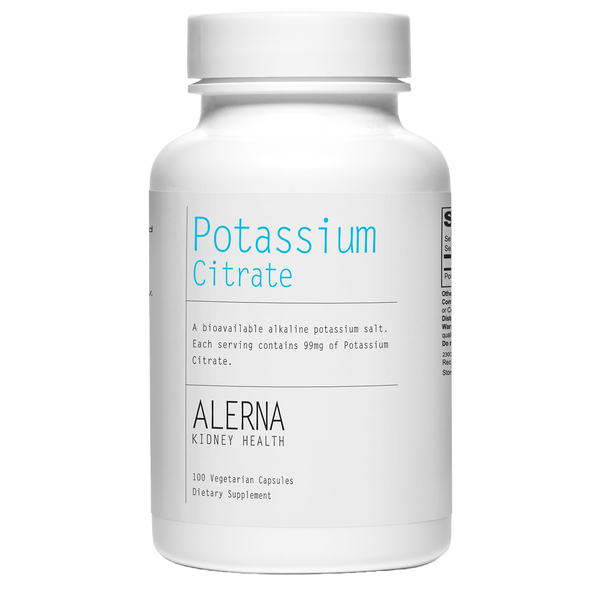
Why Does the Pain Location Change Over Time?
Kidney stones travel through the urinary tract, causing kidney stone pain and symptoms to shift as stones pass. The process typically starts with a dull ache in the kidney or lower back while the stone remains in the kidney. Pain often worsens as the stone enters the ureter, where muscle spasms help the stone pass through the kidney, ureter, and bladder. Even small kidney stones or developing kidney stones can cause severe pain, whereas larger stones or most stones typically cause more severe symptoms and complications.
Symptoms may also change as stones move through the urinary tract, passing through the kidney, ureter, bladder, and urethra. How long a kidney stone lasts depends on stone size, shape, and waste products such as calcium, uric acid, and other certain waste products that form solid formations in the kidney. Most kidney stones pass naturally, but those that are difficult to pass or cause infection may require medication or medical intervention or medication.

What Is Referred Pain and How Does It Mislead Patients?
Nerves share pathways in the body. This connection causes referred pain, where signals from one area are felt in a different location. Pain from the urinary tract can seem to originate in the stomach, back, groin, or pelvis. This phenomenon makes symptoms appear unrelated to the kidneys and often delays proper recognition.
Phantom Pain in the Stomach
Signals from the urinary system, urinary tract, kidney, ureter, and bladder are often misread by the body as digestive discomfort rather than kidney stone symptoms. This may present as a persistent stomachache, vague pain presence, pressure, cramping, bloating, or a persistent lower backache as kidney stones and renal calculi move through the urinary system.
Many people assume food poisoning, stomach illness, or digestive upset is present. In reality, stones, small kidney stones, or larger stones in the ureter may be creating nerve signals as waste products such as calcium and uric acid pass through the urinary tract, causing kidney stone pain that feels like vague abdominal pain rather than pain from the kidney or lower back.
Radiating Discomfort to the Testicles or Labia
Shared nerve pathways link the ureter, bladder, and reproductive organs. This connection allows kidney stone pain to radiate to the groin or pelvis as kidney stones move through the urinary tract. This severe pain can feel alarming and unrelated to the kidney or lower back, even when small kidney stones or larger stones are passing. Even so, the pain remains linked to kidney stones, stones passing, and urinary system function, not to reproductive health.
Vague Nausea Mimicking Digestive Issues
Intense pain triggers the body’s stress response rather than the digestive system. This reaction often manifests as nausea. Vomiting and fever may occur if pain becomes severe or if infection develops. Nausea may fluctuate as stones move and pain intensity changes. It does not always signal digestive illness and often reflects how strongly the body reacts to ongoing pain.
Uric acid levels may become elevated due to diet, genetic factors or family history, reduced kidney clearance, or certain medications. When uric acid remains high, crystals are more likely to form and accumulate.

What Conditions Mimic Kidney Stones?
Kidney stone pain can mimic other conditions because kidney stones, also called renal calculi, may present in the lower back, abdomen, pelvis, groin, ureter, bladder, or other parts of the urinary system as they pass through the urinary system. When kidney stone symptoms last, worsen, or are severe, especially with blood in urine, foul-smelling urine, vomiting, fever, chills, cloudy urine, or signs of infection, early medical evaluation by healthcare providers can help confirm or rule out kidney stones and reduce the risk of complications.
Musculoskeletal Back Strain or Injury
Back strain pain usually worsens with movement and improves with rest. Kidney stone pain comes in waves and often radiates as the stones pass through the urinary tract. Muscle pain stays localized, while renal calculi and other kidney stones move through the kidney, ureter, and bladder.
These differences help distinguish the two when evaluating kidney stone symptoms, including severe pain and the presence of vague pain. Back strain usually follows lifting, twisting, or overuse and improves gradually over days, while kidney pain from stones, even small kidney stones or larger stones, does not respond the same way to stretching, posture changes, or over-the-counter treatment.
Urinary Tract Infections (UTIs)
Urinary Tract Infections (UTIs) often cause burning, urgency, or foul-smelling urine, sometimes with blood in the urine. Kidney stones, including renal calculi, may also irritate urine flow in the urinary tract, but usually cause sharper, more severe pain as stones move through the kidney, ureter, and bladder.
Chills, cloudy urine, vomiting, fever, and foul-smelling urine suggest infection and may indicate stones that are causing infection. Urine testing helps healthcare providers distinguish these conditions and guide treatment options. UTIs may also cause pelvic pressure and pain or frequent urges without severe flank pain, which is less common when kidney stones pass alone.
PAIR SMART FOLLOW-UP WITH CITRATE SUPPORT
Track symptoms, stay hydrated, and know the warning signs. When recommended by your provider, Alerna Potassium Citrate fits into your daily kidney wellness routine.
Add Citrate SupportAppendicitis or Intestinal Blockage
Appendicitis pain worsens steadily and stays focused, often beginning near the belly button and shifting to the lower right abdomen, unlike kidney stone pain, which fluctuates as the kidney stones pass through the urinary tract. Kidney stone symptoms, including severe pain in the lower back, flank, ureter, bladder, or groin, tend to change location as stones move through the urinary system.
Intestinal obstruction usually presents with bloating, constipation, or vomiting, with or without fever, without flank pain, blood in the urine, or foul-smelling urine, which are typical of kidney stones (renal calculi) or larger stones. Imaging helps clarify the diagnosis when symptoms overlap, especially when kidney disease, infection, or other complications are possible.
Appendicitis or Intestinal Blockage
Appendicitis pain worsens steadily and stays focused, often beginning near the belly button and shifting to the lower right abdomen, unlike kidney stone pain, which fluctuates as the kidney stones pass through the urinary tract. Kidney stone symptoms, including severe pain in the lower back, flank, ureter, bladder, or groin, tend to change location as stones move through the urinary system.
Intestinal obstruction usually presents with bloating, constipation, or vomiting, with or without fever, without flank pain, blood in the urine, or foul-smelling urine, which are typical of kidney stones (renal calculi) or larger stones. Imaging helps clarify the diagnosis when symptoms overlap, especially when kidney disease, infection, or other complications are possible.

How Long Do Kidney Stones Last
Kidney stones can last from several days to several weeks, depending on stone size, location, and how the body responds within the urinary tract and urinary system. Small kidney stones and smaller stones often pass within one to two weeks as they pass through the kidney, ureter, bladder, and urethra.
Larger stones may take two to three weeks or a few weeks longer and often cause more severe pain as they travel through the ureter toward the bladder. As stones pass, kidney stone pain and symptoms may shift from the lower back or side to the abdomen, pelvis, or groin as waste products, such as calcium and uric acid, move through the urinary system.
When to Get Help
Pain is expected with kidney stones, but certain symptoms suggest blockage, infection, or increased risk to kidney health and need urgent medical care. Seek medical attention right away if any of the following occur:
Fevers and chills, which may signal infection
Inability to urinate, suggesting a blockage
Uncontrollable vomiting or nausea, which can lead to dehydration
These signs may indicate infection, obstruction, or kidney disease. In rare cases, delayed care can increase the risk of serious complications. Medications or medical interventions will be given. If it's no longer possible to prescribe medications, surgical removal, sound waves, or percutaneous nephrolithotomy through a small incision may be necessary, sometimes leading to a hospital stay.
MAKE YOUR NEXT KIDNEY HEALTH STEP PROACTIVE
Once the stone episode is over, focus on habits you can maintain. Ask your provider whether Alerna Potassium Citrate fits your long-term wellness plan.
Shop Potassium CitrateHow Can You Decode Symptoms and Protect Your Kidneys?
Understanding kidney stone pain helps reduce anxiety and support faster diagnosis. Pain tends to move as stones move through the urinary system; many small stones pass within one to two weeks, while others take longer or need medical treatment. Noticing patterns like shifting flank pain, referred discomfort, and red-flag symptoms such as fever, chills, or trouble urinating can guide decisions about when to seek urgent care.
Once a stone has passed, the focus shifts to preventing the next one, and that plan should be built around your stone type and your doctor's guidance. Drinking enough water to dilute uric acid, calcium, and other waste products is the foundation. For people whose clinician has recommended citrate support to adjust urine chemistry, Alerna's Potassium Citrate - 100 Vegetarian Capsules is one over-the-counter option that supports electrolyte balance and normal urine pH. It's a prevention tool, not something that eases a stone that's currently passing, and potassium isn't right for everyone, so confirm with your provider first, especially with reduced kidney function. Partnering with a medical team helps match treatment to each situation and support long-term kidney health.
Frequently Asked Questions
How can you tell the difference between back pain and kidney pain?
Back pain typically changes with movement, whereas kidney pain often comes in waves and can spread to the abdomen or groin.
Where is kidney stone pain located in females vs. males?
Kidney stone pain starts in the side or lower back in both sexes, but may radiate to the labia in females and the testicles in males.
Why does kidney stone pain come and go in waves?
Kidney stone pain comes in waves because the ureter tightens and relaxes as it tries to push the stone forward.
Does kidney stone pain usually happen on the left or right side?
Kidney stone pain usually occurs on the side where the stone is located, most often on one side at a time.
Can the pain stop even if the kidney stone hasn't passed?
Yes, pain can temporarily stop if the stone stops moving, even if it has not passed yet.
Medical Disclaimer:
The information provided in this article is for educational and informational purposes only and should not be considered a substitute for professional medical advice, diagnosis, or treatment. Please consult with your healthcare provider before starting any new dietary supplement, especially if you are pregnant, nursing, have a medical condition, or are taking other medications. Never disregard professional medical advice or delay in seeking it because of something you have read in this article.
References
Harvard Health Publishing. (2021, February 12). Avoiding the pain of kidney stones. Harvard Health Publishing. https://www.health.harvard.edu/diseases-and-conditions/avoiding-the-pain-of-kidney-stones
MedlinePlus. (n.d.). Kidney stones. U.S. National Library of Medicine. https://medlineplus.gov/ency/article/000458.htm
National Kidney Foundation. (n.d.). Kidney stones. National Kidney Foundation. https://www.kidney.org/kidney-topics/kidney-stones
Rosen JM, Klumpp DJ. Mechanisms of pain from urinary tract infection. Int J Urol. 2014 Apr;21 Suppl 1(0 1):26-32. doi: 10.1111/iju.12309. PMID: 24807489; PMCID: PMC4552327.
Solan, M. (2023, June 30). How to pass a kidney stone & 5 tips to prevent them. Harvard Health Publishing. https://www.health.harvard.edu/blog/5-things-can-help-take-pass-kidney-stones-2018030813363


