


Table of Contents
A sharp, sudden ache in your side or back can bring you to a dead stop. If you have ever felt that kind of pain, you already know why kidney stones send so many people to the emergency room every year. The good news is that doctors have several reliable ways to treat kidney stones, and most people recover fully with the right plan.
If you are looking for extra support while you manage your urinary tract health, Alerna Kidney Health offers wellness options built to fit into a balanced daily routine. Understanding your choices makes the process feel far less overwhelming.
There are 4 methods of kidney stone removal that doctors commonly use, depending on the stone's size, location, and severity. This guide breaks down each option, so you know what to expect before, during, and after treatment.
4 METHODS FOR KIDNEY STONE REMOVAL
- Watchful Waiting: Small stones may pass naturally with hydration, pain control, and regular monitoring.
- Shock Wave Lithotripsy (ESWL): Uses shock waves to break stones into smaller fragments that can pass through urine.
- Ureteroscopy With Laser Lithotripsy: A thin scope and laser break up or remove stones through the urinary tract.
- Percutaneous Nephrolithotomy (PCNL): A surgical option for large or complex stones that removes them through a small back incision.
KNOW YOUR OPTIONS, SUPPORT YOUR KIDNEY ROUTINE
Stone removal depends on size, location, and symptoms. Alongside medical care, Alerna Chanca Piedra can support daily kidney and urinary wellness.
Explore Chanca Piedra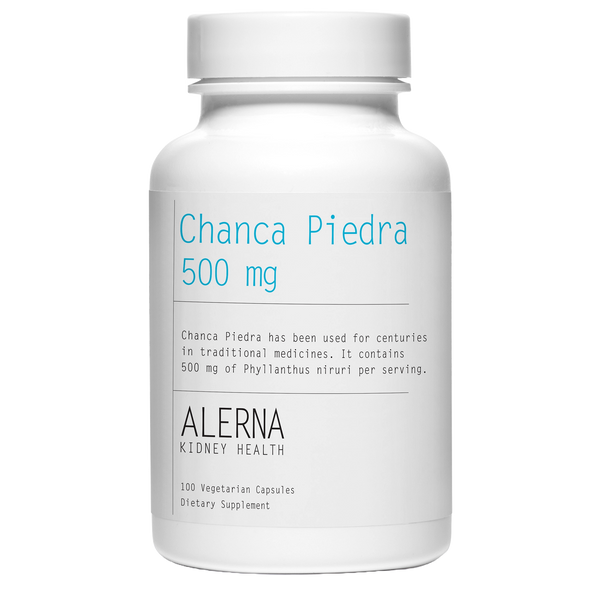
What Are the Main Factors That Determine Treatment?
Doctors look closely at the stone itself before recommending a treatment option. The size, location, and the symptoms it causes all shape which of the 4 methods for kidney stone removal will work best.
Size of the Stone
Smaller stones, often under 4 millimeters, tend to pass naturally with time and fluids. Larger kidney stones, especially those over 10 millimeters, usually need a surgical procedure or shock wave therapy to break them down into smaller pieces the body can pass.
Location Within the Tract
Where the stone sits in the urinary tract matters just as much as its size. A stone lodged in the upper ureter may respond well to shock wave lithotripsy, while one further down might call for ureteroscopy instead.
Severity of Symptoms
Intense pain, fever, or blocked urine flow can turn a wait-and-see case into an urgent one. When symptoms escalate, doctors often move straight to a more active treatment rather than letting the stone pass on its own.

How Does Natural Watchful Waiting Work?
Watchful waiting works by giving small stones time and the right conditions to move through the body on their own. Most kidney stones under 4 millimeters pass naturally without surgery, especially with a bit of medical support along the way.
While you monitor your symptoms during this phase, Alerna Kidney Health's educational resources can help you understand what your body is going through and how to support it.
Adequate Hydration and Pain Control
Drinking plenty of water helps flush the urinary tract and keeps urine flow moving, which pushes the stone toward the bladder. Over-the-counter pain relievers can help manage mild to moderate discomfort as the stone passes.
Use of Alpha Blockers
Doctors sometimes prescribe alpha blockers to relax the muscles in the ureter. This makes it easier for stones to pass and can shorten the time a person experiences symptom.
Regular Imaging Follow-Up
X-rays or ultrasounds track the stone's movement over several weeks. This follow-up confirms whether the stone is on track to pass or whether another method is needed.

What Is Extracorporeal Shock Wave Lithotripsy?
Extracorporeal shock wave lithotripsy (ESWL) uses sound waves from outside the body to break a stone into smaller fragments. Here is what defines this noninvasive procedure:
Noninvasive procedure performed on an outpatient basis, so most patients go home the same day
High-energy shock waves target the stone and break it into stone fragments small enough to pass
Ideal approach for small to medium-sized stones, generally under 2 centimeters
Not recommended for people with certain health profiles, including pregnancy, bleeding disorders, or very large or hardened stones like some uric acid stones
How Does Ureteroscopy with Laser Lithotripsy Function?
Ureteroscopy with laser lithotripsy works by guiding a thin scope directly to the stone through the body's natural passageways, avoiding any external incision. This minimally invasive surgery gives doctors precise, direct access to stones that shock wave therapy cannot reach effectively.
Route Through the Urethra
The doctor threads a flexible tube through the urethra and bladder, then up into the ureter or kidney. Most patients receive general anesthesia or light sedation, so there is little to no pain during the procedure itself.
Precise Laser Fragmentation
Once the thin scope reaches the stone, a laser breaks it into smaller pieces. This laser lithotripsy method works well for stones in the upper ureter or kidney that are too large to pass on their own.
Basket Retrieval of Fragments
A tiny basket-like tool captures the smaller fragments, allowing the doctor to remove the stone completely rather than leaving pieces behind. This step reduces the odds of leftover fragments causing pain later.
Temporary Ureteral Stents
Many patients go home with a temporary stent, a soft tube that keeps the kidney-to-bladder passage open while the area heals. Stents typically stay in place for one to two weeks and can cause mild discomfort until removed.
PAIR MEDICAL FOLLOW-UP WITH DAILY SUPPORT
Hydration, imaging, and stone analysis can guide your next steps. Add Alerna Chanca Piedra to a consistent kidney wellness routine.
Add Botanical SupportWhen Is Percutaneous Nephrolithotomy Necessary?
Percutaneous nephrolithotomy (PCNL) becomes necessary when a stone is too large or too complicated for the other three methods to handle safely. This surgical procedure gives surgeons direct access to the kidney for complicated stones that would otherwise take multiple rounds of treatment.
Complex or Unusually Large Formations
Large kidney stones, staghorn stones, or stones resistant to shock wave therapy often need this more involved surgical approach. It allows doctors to remove the stone in a single procedure rather than relying on the body to pass the fragments over time.
Small Back Incision Access
Surgeons make a small incision in the back to reach the kidney directly. A thin tube and camera guide the removal of stone fragments, and general anesthesia keeps the patient comfortable throughout.
Multiweek Recovery Period
Recovery time after percutaneous nephrolithotomy PCNL typically runs several weeks. Most patients need to avoid heavy lifting and strenuous activity during this period to allow the kidney to fully heal before resuming normal activities.

When Should Someone Seek Immediate Medical Care?
Certain symptoms mean a kidney stone has moved from manageable to urgent. Watch for these warning signs:
Persistent fever or chills accompanying the discomfort, which can signal infection
Uncontrolled pain or persistent vomiting that home remedies cannot manage
Visible signs of potential urinary obstruction, such as an inability to urinate or blood in the urine
How Can Diet and Hydration Prevent Future Occurrences?
Diet and hydration play a direct role in whether new stones form after treatment. Small, consistent changes to daily habits can meaningfully lower the risk of another painful episode.
High Daily Fluid Intake
Drinking enough water dilutes the minerals in urine that lead to stone formation. Most doctors recommend adequate fluid intake to produce clear or light-yellow urine throughout the day.
Moderation of Animal Protein
Eating large amounts of animal protein can raise uric acid levels and contribute to certain types of stones. Cutting back, even modestly, can promote healing and reduce the risk of a recurrent stone.
Reduction of Excess Sodium
High sodium intake causes the body to excrete more calcium into the urine, which raises stone risk. Reading labels and cooking with less salt can make a real difference over time.
Comprehensive Metabolic Evaluation
For people who repeatedly form stones, a metabolic evaluation can uncover the underlying cause. Blood and urine tests help doctors tailor prevention advice rather than relying on generic guidance.

What Are the Recommended Follow-Up Steps?
Follow-up care confirms that stone removal actually worked and helps prevent the next one. This part of the process is easy to overlook, but it matters just as much as the treatment itself.
Thorough Stone Fragment Analysis
Lab analysis of the removed stone fragments reveals what type of stone formed, whether calcium, uric acid, or another mineral. This information shapes the prevention plan going forward.
Comprehensive Urine Testing
A 24-hour urine test measures the levels of minerals linked to stone formation. Results help doctors decide whether dietary changes or medication will do the best.
Confirmation Imaging Schedules
Follow-up imaging, usually performed a few weeks after treatment, confirms that the urinary tract is clear of any remaining fragments. Skipping this step can leave small pieces behind that grow into new problems later.
TAKE THE NEXT STEP AFTER STONE REMOVAL
Follow your doctor’s plan, stay hydrated, and maintain supportive habits. Make Alerna Chanca Piedra part of your proactive kidney wellness routine.
Shop Chanca PiedraHow Will Better Urinary Health Begin Today?
Watchful waiting, shock wave lithotripsy, ureteroscopy with laser lithotripsy, and percutaneous nephrolithotomy each serve a different situation, from a single small stone to complicated stones that need surgery. The right choice always comes down to a conversation with your doctor, who can weigh your stone's size, location, and symptoms. In the meantime, drinking plenty of water and watching your diet are two of the most practical steps you can take starting today.
For those ready to build a proactive, daily routine, Alerna Kidney Health offers quality-focused urinary support supplements, including Chanca Piedra, designed to complement the habits that keep your kidneys working well.
Frequently Asked Questions
How long does it usually take to pass a kidney stone naturally?
Most small kidney stones pass within one to three weeks with enough fluid intake and pain control.
Is laser lithotripsy a painful procedure?
Ureteroscopy with laser lithotripsy is done under sedation or general anesthesia, so patients feel little to no pain during the procedure itself.
What is the safest way to remove a kidney stone?
The safest treatment option depends on the stone's size and location, and a doctor should always confirm the best approach after imaging and evaluation.
Can drinking water dissolve kidney stones?
Water does not dissolve kidney stones, but it helps flush smaller stones through the urinary tract and lowers the risk of new ones forming.
How long is the recovery after kidney stone surgery?
Recovery time ranges from a few days after an outpatient procedure like ESWL to several weeks after percutaneous nephrolithotomy.
Medical Disclaimer:
The information provided in this article is for educational and informational purposes only and should not be considered a substitute for professional medical advice, diagnosis, or treatment. Please consult with your healthcare provider before starting any new dietary supplement, especially if you are pregnant, nursing, have a medical condition, or are taking other medications. Never disregard professional medical advice or delay in seeking it because of something you have read in this article.
References
Dingwall, A., Leighton, J., Luk, A., Chambers, M., Somani, B., & Geraghty, R. (2025). Ureteroscopy and lasertripsy for lower pole stones <2 cm, in situ vs displacement? A systematic review and meta-analysis. BJU international, 135(3), 399–407. https://doi.org/10.1111/bju.16534
Mithani, M. S., Fareed, W., Asif, N., & Shabbir, M. (2024). Safety and Efficacy of Percutaneous Nephrolithotomy in Solitary Functioning Kidneys: A Retrospective Cohort Study in an Asian Population. Cureus, 16(3), e55728. https://doi.org/10.7759/cureus.55728
Setthawong, V., Srisubat, A., Potisat, S., Lojanapiwat, B., & Pattanittum, P. (2023). Extracorporeal shock wave lithotripsy (ESWL) versus percutaneous nephrolithotomy (PCNL) or retrograde intrarenal surgery (RIRS) for kidney stones. The Cochrane database of systematic reviews, 8(8), CD007044. https://doi.org/10.1002/14651858.CD007044.pub4
Vermandere, M., Kuijpers, T., Burgers, J. S., Kunnamo, I., van Lieshout, J., Wallace, E., Vlayen, J., Schoenfeld, E., Siemieniuk, R. A., Trevena, L., Zhu, X., Verermen, F., Neuschwander, B., Dahm, P. H., Tikkinen, K. A. O., Aubrey-Bassler, K., Vernooij, R. W. M., Aertgeerts, B., & Bekkering, G. E. (2018). α-Blockers for uncomplicated ureteric stones: a clinical practice guideline. BJU international, 122(6), 924–931. https://doi.org/10.1111/bju.14457


