


Table of Contents
Sudden pain in your side or back can be scary, especially when you don't know the cause. Kidney stone symptoms in women often show up this way: sharp, confusing, and easy to mistake for something else.
A kidney stone forms when minerals in urine clump together into a hard mass. Women often describe the pain differently than men do, and some symptoms overlap with other conditions, which can delay a diagnosis. For those looking to support kidney health day-to-day, Alerna Kidney Health offers wellness resources worth exploring. The rest of this guide breaks down what causes kidney stones, how the pain shows up, and when it's time to see a doctor.
QUICK REVIEW: KIDNEY STONES IN WOMEN
- Signs and Symptoms: Early warnings include changes in urination urgency, mild lower abdominal pressure, cloudy urine, or symptoms mimicking a urinary tract infection. Pain typically starts in the flank or lower back and radiates to the groin or lower abdomen as a sharp, shifting sensation.
- Common Causes: Risks include mineral crystallization (calcium, oxalate, or uric acid), chronic dehydration, diets high in sodium or animal protein, hormonal fluctuations tied to pregnancy or menopause, and underlying metabolic conditions.
- When to Seek Immediate Care: Seek prompt medical attention for unmanageable flank or back discomfort that does not respond to pain relievers, persistent fever, chills, vomiting, or the presence of visible blood in the urine.
- For personalized guidance on managing kidney wellness, consider exploring the resources at Alerna Kidney Health.
RECOGNIZE THE SIGNS, SUPPORT YOUR KIDNEYS
Kidney stone symptoms in women can be easy to misread. Pair professional guidance and hydration with Alerna Chanca Piedra for proactive kidney and urinary wellness support.
Explore Chanca Piedra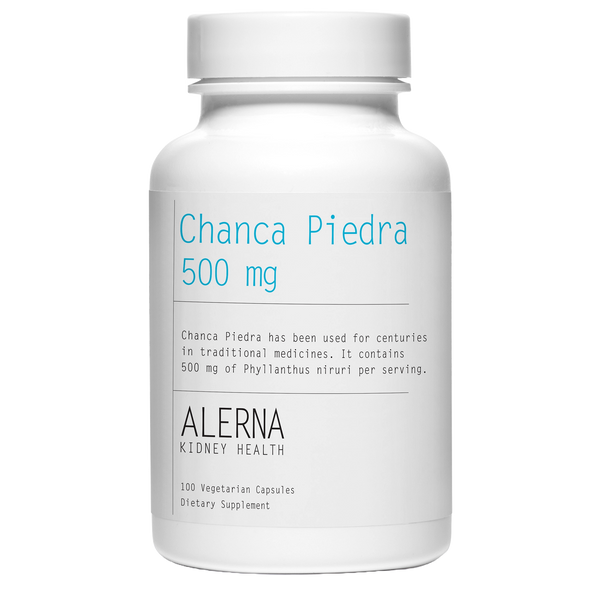
What Are Kidney Stones?
Kidney stones are hard deposits made of minerals and salts that form inside the kidneys. They start small, sometimes as small as a grain of sand, and can grow large enough to block the flow of urine.
Crystallized Mineral Deposits
Most kidney stones form when substances like calcium, oxalate, or uric acid become too concentrated in urine. Instead of staying dissolved, they crystallize and stick together, a process called stone formation.
Products of Hormonal Influences
Hormonal shifts, including those tied to pregnancy and menopause, can change how women's bodies handle calcium and fluids. This is one reason kidney stone symptoms sometimes present differently in women than in men.

What Are the Early Warning Signs?
Early signs of kidney stones can be easy to miss at first. Here's what women often notice before the pain becomes severe:
Subtle shifts in how often or urgently you need to urinate
Unexplained pressure or ache in the lower abdomen
Cloudy urine or mild traces of blood in the urine
Symptoms that feel more like a urinary tract infection (UTI) than typical stone pain, which is a pattern doctors see more often in women
Where Does the Pain Typically Occur?
Kidney stone pain usually starts in the back or side and moves as the stone travels through the urinary tract. The location often shifts as the stone moves, which is a useful clue for doctors trying to pinpoint the cause.
Lower Back and Flank Areas
Pain often begins in the flank, the area between the ribs and hip, on one side of the back. This ache can come and go or build into a constant, intense pain.
Groin and Lower Abdomen
As the stone moves lower, pain often spreads into the groin or lower abdomen. Some women mistake this for menstrual cramps or ovarian pain.
Shifting Locations During Movement
The pain tends to shift position as the stone moves through the urinary system. Sharp pain that comes in waves, rather than staying constant, usually means the stone is on the move.

What Increases the Risk for Women?
Several factors raise a woman's risk of developing kidney stones. Diet, hormones, and underlying health conditions all play a part.
Dehydration and Diet Choices
Not drinking enough fluids is one of the biggest risk factors for stone formation. A diet high in sodium or animal protein also raises the risk of kidney stones, since both can increase calcium and uric acid levels in urine.
Pregnancy and Hormonal Shifts
Pregnancy changes fluid balance and hormone levels, both of which affect how the kidneys work. These shifts can raise the risk of kidney stones during and after pregnancy.
Underlying Metabolic Conditions
Certain medical conditions, including some digestive and kidney diseases, increase the risk of stone formation. A personal history of kidney stones also raises the risk of a repeat episode.
PAIR EARLY AWARENESS WITH DAILY SUPPORT
Track urinary changes, stay hydrated, and follow your provider’s advice. Alerna Chanca Piedra supports urinary comfort and healthy fluid balance.
Add Chanca Piedra SupportHow Do Doctors Confirm the Issue?
Doctors confirm kidney stones through a mix of tests and imaging. This combination helps them find the stone's size, location, and type.
Comprehensive Urinalysis Tests
A urinalysis checks for blood, crystals, or signs of infection in the urine. This test also helps identify whether the stone is likely calcium oxalate, uric acid, or another type.
Advanced Imaging Options Like Ultrasounds
CT scans and ultrasounds show the exact size and location of a stone. A CT scan is often used first since it can detect even small stones that other tests might miss.
Bloodwork for Kidney Function
Blood tests check kidney function and measure substances such as calcium and uric acid. This helps doctors understand what's causing the stones to form in the first place.

What Are the Common Management Strategies?
Treatment depends on the size of the stone and how much discomfort it causes. Many small stones pass on their own with support, while larger stones may need medical help. If you're building a long-term plan around kidney wellness, Alerna Kidney Health has options designed to support that routine.
Natural Passing Through Hydration
Drinking enough fluids helps flush the urinary tract and can help smaller stones pass naturally. Doctors often recommend this as the first approach for stones under a certain size.
Conservative Comfort Measures
Pain medicine and rest can ease discomfort while the stone passes. Some doctors also prescribe medication that relaxes the smooth muscle in the urinary tract to help the stone move more easily.
Medical Procedures for Larger Stones
Larger kidney stones sometimes require a procedure to break them apart or remove them directly. In some cases, doctors place a small tube called a stent to keep the urinary tract open while the stone passes.
How Can Individuals Support Long-Term Kidney Health?
Preventing future stones takes more than luck. These habits can help reduce your risk of developing kidney stones again:
Drinking enough fluids every day to keep urine diluted
Adjusting your diet to balance calcium, sodium, and animal protein intake
Getting a metabolic evaluation if stones keep coming back
Scheduling follow-up imaging to catch new stones early

When Is Immediate Medical Attention Necessary?
Some symptoms mean it's time to seek medical attention right away rather than waiting it out. These signs often point to a blocked urinary tract or infection.
Unmanageable Flank Discomfort
Severe pain that doesn't ease with over-the-counter pain medicine needs prompt treatment. This level of pain can signal a stone that's stuck and blocking the flow of urine.
Persistent Fever or Chills
Fever, chills, or vomiting alongside stone symptoms may indicate that a kidney infection has developed. This combination always calls for urgent care, since untreated infections can lead to kidney damage.
Noticeable Blood in Urine
Blood in your urine, especially with vomiting or fever, needs same-day evaluation. This is one of the clearest signs that early diagnosis and prompt treatment matter.
TAKE CHARGE OF WOMEN’S KIDNEY WELLNESS
Seek care for serious symptoms, then keep supportive habits consistent. Make Alerna Chanca Piedra part of your proactive daily kidney wellness routine.
Shop Chanca PiedraHow Can Better Kidney Health Start Today?
Kidney stone symptoms in women can be easy to miss or misread as something else, which makes early attention worth it. Watching for changes in urination, unexplained pain, or blood in the urine gives you a head start on getting the right diagnosis. Small daily habits, like drinking enough water and adjusting your diet, go a long way toward helping prevent kidney stones from forming again.
If you're ready to build a routine that supports your kidneys for the long run, explore the resources at Alerna Kidney Health and take that first step today.
Frequently Asked Questions
What do early kidney stone symptoms feel like in women?
Early symptoms often include mild lower abdominal pressure, changes in urination, and occasional blood in the urine before sharp pain sets in.
Where is kidney stone pain located in females?
Pain typically starts in the flank or lower back and can radiate to the groin or lower abdomen as the stone moves.
Can a woman pass a kidney stone without knowing?
Yes, very small stones can pass through the urinary tract with little or no noticeable pain.
How long does a kidney stone take to pass for a woman?
Most small stones pass within one to three weeks, though larger stones can take longer or require medical help.
What are the main causes of kidney stones in females?
Dehydration, high-sodium or animal-protein diets, hormonal changes, and certain medical conditions are the leading causes.
Medical Disclaimer:
The information provided in this article is for educational and informational purposes only and should not be considered a substitute for professional medical advice, diagnosis, or treatment. Please consult with your healthcare provider before starting any new dietary supplement, especially if you are pregnant, nursing, have a medical condition, or are taking other medications. Never disregard professional medical advice or delay in seeking it because of something you have read in this article.
References
Malti, Manna, R., & Bhargava, A. (2026). Molecular and biochemical correlates of urinary composition in kidney stone pathogenesis. Clinical biochemistry, 144, 111150. Advance online publication. https://doi.org/10.1016/j.clinbiochem.2026.111150
Patel, P., Patil, S., & Kaur, N. (2025). Estrogen and Metabolism: Navigating Hormonal Transitions from Perimenopause to Postmenopause. Journal of mid-life health, 16(3), 247–256. https://doi.org/10.4103/jmh.jmh_75_25


