


Table of Contents
What do kidney stones feel like? Imagine heading out on a weekend adventure, feeling great until a sudden, crushing ache stops you in your tracks. Unexpected physical discomfort demands prompt treatment, especially when it disrupts your daily life. Patients constantly ask what kidney stones feel like when this intense pain hits out of nowhere.
At Alerna Kidney Health, we know that understanding your anatomy and recognizing the early symptoms of kidney stones ensures you can secure medical care quickly while protecting your delicate urinary system from severe complications.
MAKE KIDNEY WELLNESS A DAILY PRIORITY
Kidney stone concerns can feel overwhelming. Add Chanca Piedra to a proactive routine focused on hydration and everyday urinary wellness.
Explore Chanca Piedra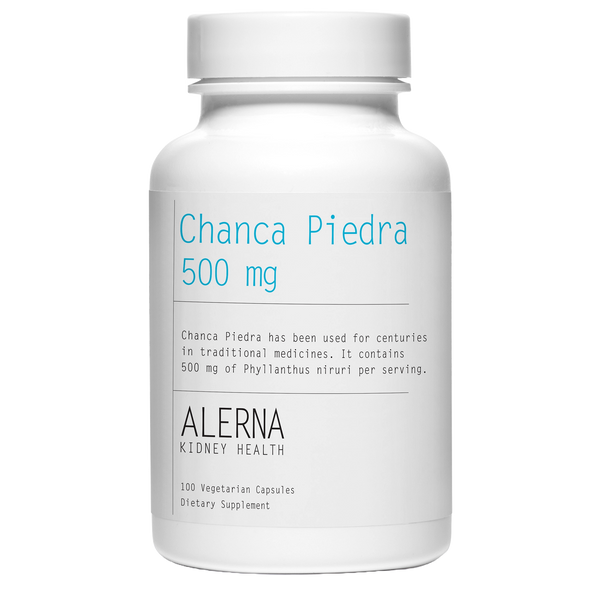
Where Does the Discomfort Start?
The physical location of the sensation rarely stays in one place, shifting rapidly as the object leaves the kidneys and drains urine through the urinary tract. The discomfort usually begins high up in your back before traveling downward as the stone moves toward the exit. Tracking this specific downward path helps a healthcare provider diagnose kidney stones accurately and confidently rule out standard muscle pain.
Lower Back and Flank
You might first notice a dull ache just below your ribs, sometimes a sharp twinge on one side of your spine. This flank pain does not come from the stone formation. A stone sitting in the kidney is usually painless. The ache begins when the stone blocks the flow of urine, often at the top of the ureter, which raises pressure and stretches the kidney. Because it can start mild, many people brush it off as ordinary back soreness until the pain sharpens.
Abdomen and Groin
As the mass descends into the ureter, the agonizing sensation radiates downward, so you will feel it deep within the lower abdomen and pelvic region. The intense pain frequently forces patients to shift positions constantly to find a comfortable angle, leaving no easy way to sit or lie down. This specific downward movement creates severe pain that easily mimics serious digestive and kidney diseases.

How Intense Is the Sensation?
Doctors and patients alike rank this discomfort among the most agonizing physical experiences possible, often comparing it to childbirth or severe blunt force trauma. This unique kidney stone symptoms experience arrives in unpredictable cycles rather than a steady, constant ache, causing the intensity to spike and drop without warning. Tracking these unique pain patterns helps reveal exactly what type of renal calculi is currently passing through the body.
Sharp and Stabbing Spasms
Sudden, piercing pain can strike when a stone lodges in the ureter and blocks urine flow. The backed-up pressure stretches the wall and sets off muscle spasms, which create the sharp, stabbing feeling. Patients describe these jolts as overwhelming, and the blockage can change how often and how easily they pass urine.
Fluctuating Pain Waves
Renal colic produces intense, fluctuating pain waves that ebb and flow over several hours as the body desperately attempts to expel the blockage. The muscles surrounding the affected area cramp violently to push the object forward, causing the stone pain to peak drastically and then slowly fade. Understanding these cyclical waves is vital, as it helps doctors formulate an effective treatment plan to relieve the ongoing agony.
TURN KIDNEY STONE AWARENESS INTO DAILY SUPPORT
You now know which sensations need attention. Chanca Piedra capsules fit easily alongside water, balanced meals, and healthy daily habits.
Shop Chanca Piedra CapsulesWhat Are the Early Warning Signs?
Recognizing early indicators helps you identify the root issue quickly and secure proper medical attention:
Pink, red, or brown blood in your urine
Cloudy urine or foul-smelling urine
Persistent need to urinate or difficulty urinating
Nausea and vomiting
Fever and chills associated with a kidney infection or urinary tract infections
How Long Does the Discomfort Last?
The overall duration varies drastically based on the exact size and the continuous movement of the mass. Understanding typical timelines lets patients know when stones pass naturally and when medical attention becomes necessary, since different dimensions directly dictate how quickly you will finally feel relief.
Variable Passing Times
Small stones generally navigate the system smoothly and often pass within a few days without requiring any surgical intervention. On the other hand, larger stones can take several weeks to fully exit the body, greatly increasing the kidney stone risk for long-term damage. Patients must consume enough fluids during this window, as staying hydrated helps flush most stones out efficiently.
Lingering Dull Aches
A mild soreness often remains deep within the lower back long after the acute waves completely subside, making you feel bruised. This lingering dull ache occurs because the internal passages need time to heal from the abrasive crystal-forming substances. Continuing to drink water is essential right now, as doing this helps prevent stones, discourages future stones from forming, and gently soothes the irritated tissues.

Which Factors Influence the Experience?
Several physical variables dictate the exact nature of the discomfort:
Size of the mineral deposit or stone forming substances
Exact location within the urinary tract
Individual pain tolerance levels and the presence of other symptoms
Specific types of kidney stones, like calcium oxalate stones, uric acid stones, struvite stones, or cystine stones
Presence of more crystal forming substances like calcium oxalate or uric acid
TAKE CONTROL OF YOUR KIDNEY WELLNESS ROUTINE
Put your new knowledge into action. Choose Alerna Chanca Piedra and build a consistent routine that supports your long-term wellness goals.
Add Chanca Piedra to Your RoutineHow Can You Protect Kidney Health Today?
Protecting your urinary health requires monitoring common symptoms closely, and dietary factors play a huge role in your recovery. You should drink water consistently without overdoing it with too much fluid, but most importantly, seeking prompt medical evaluation when early signs emerge is non-negotiable.
Attempting to manage kidney diseases alone puts you at a higher risk for permanent damage. Asking the right questions and securing proper testing prevents severe medical problems. To protect your body, you must reduce sodium and animal protein, limit your use of excessive calcium supplements, and carefully monitor vitamin C intake to prevent kidney stones. A high protein diet often introduces dangerous elements that cause people to develop stones and suffer from more kidney stones down the road.
Do not leave your health to chance. Rely on Alerna Kidney Health to discover proactive ways to support your urinary system, manage your kidney health, and optimize your overall kidney function today.
Frequently Asked Questions
What is the first sign of a kidney stone?
The earliest indicators typically involve a sudden, sharp pain in the lower back or side, often accompanied by cloudy urine or unexpected blood in your urine.
Can a kidney stone feel like a stomach ache?
Yes, the intense pain frequently radiates into the lower abdomen, mimicking severe digestive diseases or a common stomach ache as the mass descends.
How do you relieve kidney stone pain at home?
Staying consistently hydrated while taking over-the-counter medication helps manage the discomfort as the stones pass naturally.
How long does a kidney stone take to pass?
Small kidney stones often exit the body within a few days, while larger calcium stones may take several weeks and require you to seek medical care.
When should you go to the hospital for a kidney stone?
You must seek immediate medical attention if you experience extreme pain that prevents sitting still, uncontrollable nausea and vomiting, or symptoms of a severe kidney infection.
Medical Disclaimer:
The information provided in this article is for educational and informational purposes only and should not be considered a substitute for professional medical advice, diagnosis, or treatment. Please consult with your healthcare provider before starting any new dietary supplement, especially if you are pregnant, nursing, have a medical condition, or are taking other medications. Never disregard professional medical advice or delay in seeking it because of something you have read in this article.
References
D'Costa, M. R., Haley, W. E., Mara, K. C., Enders, F. T., Vrtiska, T. J., Pais, V. M., Jacobsen, S. J., McCollough, C. H., Lieske, J. C., & Rule, A. D. (2019). Symptomatic and Radiographic Manifestations of Kidney Stone Recurrence and Their Prediction by Risk Factors: A Prospective Cohort Study. Journal of the American Society of Nephrology : JASN, 30(7), 1251–1260. https://doi.org/10.1681/ASN.2018121241
Dion, M., Ankawi, G., Chew, B., Paterson, R., Sultan, N., Hoddinott, P., & Razvi, H. (2016). CUA guideline on the evaluation and medical management of the kidney stone patient - 2016 update. Canadian Urological Association journal = Journal de l'Association des urologues du Canada, 10(11-12), E347–E358. https://doi.org/10.5489/cuaj.4218
Shokeir A. A. (2001). Renal colic: pathophysiology, diagnosis and treatment. European urology, 39(3), 241–249. https://doi.org/10.1159/000052446
Wolcott C. C. (2010). An atypical case of nephrolithiasis with transient remission of symptoms following spinal manipulation. Journal of chiropractic medicine, 9(2), 69–72. https://doi.org/10.1016/j.jcm.2010.02.005


