


Table of Contents
Waiting for a kidney stone to pass can cause anxiety as the pain comes and goes. Understanding the location of kidney stone pain helps patients gauge where the stone is in the urinary tract. Pain often shifts as the stone moves, and size and location largely determine how long the process lasts.
Kidney stones form when minerals harden in the kidney. As stones move, they irritate tissue and cause pain that changes location. Tracking these shifts can help indicate progress.
DON’T WAIT FOR KIDNEY WELLNESS TO BECOME AN AFTERTHOUGHT
Thinking more about kidney stones? Pair hydration and smart daily habits with Alerna Chanca Piedra.
Explore Chanca Piedra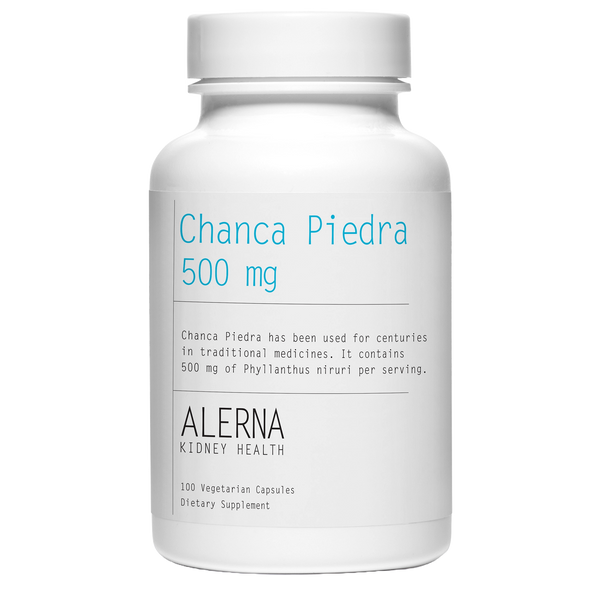
Causes and Risk Factors For Kidney Stones
Kidney stones form when minerals in urine become concentrated and harden. Diet, dehydration, obesity, and certain medications increase the risk, especially from excessive intake of animal protein, sodium, sugar, or calcium supplements. Medical conditions such as gout or parathyroid disease, as well as family history, also increase the risk.
There are several stone types. Calcium oxalate stones are the most common; uric acid stones form in acidic urine; struvite stones are linked to infections; and cystine stones result from a genetic disorder. Knowing your risk factors helps guide prevention.

The Urinary System And Kidney Stones
The urinary system filters waste through the kidneys, ureters, bladder, and urethra, producing and storing urine. This process works smoothly until a kidney stone forms.
Kidney stones usually start in the kidneys and can block urine flow, causing severe pain, nausea, vomiting, or blood in the urine. A blockage increases kidney pressure and may lead to infection or damage. Early recognition and prompt care help prevent serious complications.
Sudden And Severe Cramping In The Back And Side
Sudden cramping pain in the back and side is a classic early sign. This pain often feels sharp and intense rather than dull. It may come in waves as the stone irritates the kidney. Many patients initially mistake this for typical back pain.
This pain happens because the kidney swells as urine backs up. Pressure increases rapidly, triggering nerve signals. The result is severe pain that can stop daily activity. Movement rarely improves the discomfort.
Vague Discomfort Below The Rib Cage
A dull ache or pressure below the ribs on one side can show up before intense cramping begins. This sensation may be easy to dismiss as muscle soreness or stiffness, especially early on.
This stage can last hours or longer. Once the stone moves into a tighter area, pain intensity often increases. Tracking symptom changes can help guide decisions about when to call a clinician.
Nausea, Vomiting, and Urine Changes
Nausea and vomiting often come with stone pain. The kidneys and stomach share nerve pathways, so intense kidney pain can upset the stomach. Vomiting also makes it harder to stay hydrated while a stone passes.
Urine may look pink, red, or brown as the stone scrapes the lining of the urinary tract. Cloudy or foul-smelling urine, especially with fever or chills, can signal an infection and needs prompt care.

Factors Shaping Kidney Stone Movement
Kidney stone movement depends on several physical and lifestyle factors. Not all stones travel at the same speed, and timelines vary widely. Understanding the common drivers can make the waiting period feel more predictable.
Stone Size
Stone size strongly affects how fast a stone passes. Small stones move more easily through the urinary tract. Larger stones are more likely to get stuck. Size also affects pain severity.
Stones 5 millimeters or smaller often pass on their own. Larger stones move more slowly and are more likely to need treatment.
Stone Location
The stone's location determines the site of pain. Kidney stones cause back pain. Once the stone enters the ureter, the pain shifts forward. Location explains changes in stone pain.
Stones near the bladder cause pressure and urinary symptoms. Location also affects urgency. Tracking pain movement helps estimate progress.
Hydration Habits
Hydration affects urine flow, and urine flow can help move a stone along. More urine volume can reduce friction and may support steady movement through the ureter.
Drinking enough fluids supports urine production and may help the urinary tract move a stone forward, though faster passage is not guaranteed.

How Does The Pain Location Change As The Stone Moves?
Pain location changes as the stone travels down the ureter toward the bladder. As the stone leaves the kidney, pain shifts from the back to the side and front. The discomfort often moves into the lower abdomen. Later, pressure spreads to the groin area.
This happens because the ureter shares nerve pathways with the lower body. As the stone irritates these nerves, pain radiates downward. Pain usually stays on one side and moves lower as the stone travels. Pain on both sides can mean stones in both kidneys.
TURN KIDNEY STONE AWARENESS INTO A DAILY HABIT
Hydration and mindful choices matter. Add Alerna Chanca Piedra to your everyday kidney wellness routine.
Support Your RoutineWhat Are The Signs The Stone Has Reached The Bladder?
Signs the stone has reached the bladder include reduced flank pain and new urinary symptoms. Once the stone leaves the ureter, intense colic pain often eases. Pressure replaces sharp pain. Urinary symptoms usually follow.
Common signs include:
Intense and persistent urge to urinate
Burning sensation at the tip of the urethra
Other urinary symptoms may include hematuria or cloudy urine. Some people notice a constant urge even after urinating. Pain may briefly worsen as stones pass. This stage signals progress.

Kidney Infection and Kidney Stones
A kidney infection can occur when a stone blocks urine flow and bacteria move upward into the kidney. Symptoms may include fever, chills, nausea, vomiting, back or side pain, and burning or cloudy urine.
Kidney infections are more common in people with kidney stones or a history of urinary tract infections. Without prompt treatment, a kidney infection can spread to the bloodstream and become serious. Kidney infections often require prescription antibiotics, and urgent medical care is important when fever or chills occur alongside kidney stone pain.
How Long Does It Take For A Stone To Pass Completely?
Most stones pass within days to a few weeks, depending on size and hydration. Small stones often pass within one to two weeks. Larger stones may take four to six weeks or longer. Many patients need patience during this phase.
Hydration can speed movement, but does not guarantee faster passage. Some stones require other treatments or procedures. Doctors may prescribe medications to relax the ureter. The timeline varies among many patients.
Treatment Options For Kidney Stones
Treatment depends on the stone's size, location, and symptoms. Many small stones pass on their own with time, fluids, and pain relief. A doctor may also prescribe medicine that relaxes the ureter so the stone passes more easily.
Larger stones, or stones that cause a blockage or infection, may need a procedure. Common options include:
- Shock wave lithotripsy (SWL): Sound waves break the stone into small pieces that pass in the urine.
- Ureteroscopy: A thin scope passes through the bladder into the ureter to remove or break up the stone.
- Percutaneous nephrolithotomy (PCNL): A surgeon removes a large stone through a small cut in the back.
A urologist can explain which option fits the stone's size and location.
When Should You Seek Medical Attention For Stone Pain?
Medical attention is needed when stone symptoms become severe or dangerous. While waiting is common, certain signs indicate infection or blockage. These situations require immediate care.
Most stones pass without an emergency, but some signs point to infection or a blockage. Get care right away for:
- Fever or chills with stone pain
- Pain that pain medicine doesn't control
- Vomiting that keeps fluids from staying down
- Little or no urine
- Heavy bleeding or blood clots in the urine
- Stone pain in someone with only one kidney or a kidney transplant
Other warning signs include heavy bleeding or blood clots in the urine, rising fever, or confusion. Severe symptoms may indicate infection or obstruction. Seek immediate evaluation if symptoms escalate. Same-day appointments may be necessary.
MAKE KIDNEY WELLNESS YOUR NEXT MOVE
Keep your proactive routine moving forward with hydration, healthy habits, and Alerna Chanca Piedra.
Shop Chanca PiedraHow Can You Prevent Future Kidney Stones?
Kidney stone pain location often changes as a stone moves, and those shifts can offer clues about where the stone is in the urinary tract. After the episode ends, prevention becomes the focus. Drinking enough fluids, mainly water, supports urine volume and is one of the most important habits for lowering kidney stone risk.
Diet choices can also support prevention. Sodium reduction, moderating animal protein, managing vitamin C intake, and steady hydration can help maintain healthier urine chemistry for many people. Many clinicians recommend enough fluids to produce about 2 liters of urine daily for people with a history of stones. Identifying stone type and urine patterns can help guide a more targeted plan with a healthcare provider, especially for anyone dealing with recurring kidney stones.
Frequently Asked Questions
Where is kidney stone pain located in females vs males?
Kidney stone pain is similar in both males and females, typically starting in the back or side and often radiating to the lower abdomen or groin.
How do I know if my kidney stone is almost out?
A stone is often close to passing when pain shifts to the groin and urinary urgency or burning increases.
Does walking help a kidney stone pass faster?
Gentle movement may help small stones move, but walking during severe pain can worsen symptoms.
Can a kidney stone stay in your kidney for years?
Yes, some kidney stones remain in the kidney for years without symptoms until they move or grow.
What are the symptoms of kidney stones?
Symptoms include severe back, side, or lower abdominal pain, frequent urination, blood in the urine, pain during urination, nausea, vomiting, and sometimes fever.
Medical Disclaimer:
The information provided in this article is for educational and informational purposes only and should not be considered a substitute for professional medical advice, diagnosis, or treatment. Please consult with your healthcare provider before starting any new dietary supplement, especially if you are pregnant, nursing, have a medical condition, or are taking other medications. Never disregard professional medical advice or delay in seeking it because of something you have read in this article.
References
Cleveland Clinic. (n.d.). Kidney stones. https://my.clevelandclinic.org/health/diseases/15604-kidney-stones
Harvard Health Publishing. (2019, May 17). What causes kidney stones, and what to do. https://www.health.harvard.edu/blog/what-causes-kidney-stones-and-what-to-do-2019051716656
National Institute of Diabetes and Digestive and Kidney Diseases. (n.d.). Kidney stones: Diagnosis. https://www.niddk.nih.gov/health-information/urologic-diseases/kidney-stones/diagnosis
National Institute of Diabetes and Digestive and Kidney Diseases. (n.d.). Symptoms & causes of kidney stones. https://www.niddk.nih.gov/health-information/urologic-diseases/kidney-stones/symptoms-causes
Popkin BM, D'Anci KE, Rosenberg IH. Water, hydration, and health. Nutr Rev. 2010 Aug;68(8):439-58. doi: 10.1111/j.1753-4887.2010.00304.x. PMID: 20646222; PMCID: PMC2908954.


