


Table of Contents
Passing kidney stones can feel scary, especially when the pain hits suddenly or urine looks different. Many people describe passing kidney stones as unpredictable because symptoms can change quickly as a stone moves through the urinary tract. This guide covers common signs, what the process can feel like, practical steps for home support, and clear warning signs that call for urgent care. This information is educational and not a diagnosis or a substitute for medical care.
THINK BEYOND PASSING THE CURRENT STONE
Passing a kidney stone can leave you wondering what comes next. After urgent symptoms have been addressed, Alerna Potassium Citrate can fit into a clinician-approved wellness routine focused on hydration, electrolyte balance, and proactive kidney health support.
Plan Your Next Wellness Step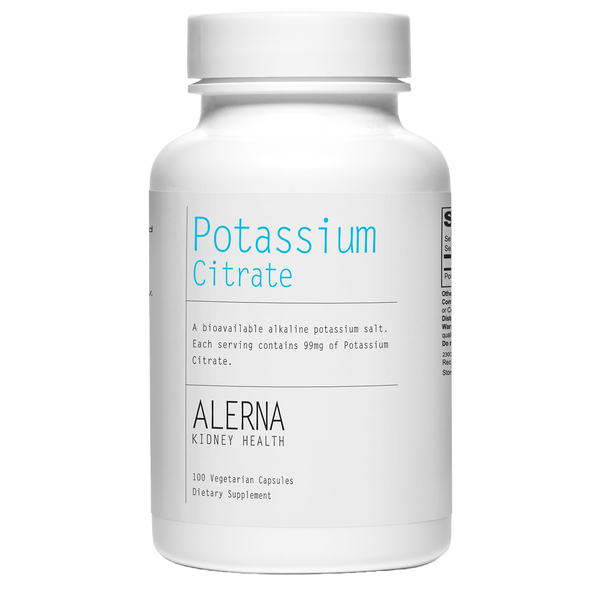
Signs That a Kidney Stone May Be Passing
Signs that a kidney stone may be passing often show up as changes in pain patterns and changes in bathroom habits as stones pass through tight areas. Symptoms can vary from mild to intense, and small kidney stones can still cause serious pain.
Pain Patterns
Pain patterns during kidney stone passage often feel sharp and wave-like because the urinary tract squeezes around a stone. Pain may start in the side or back, then shift toward the lower abdomen or groin as the stone reaches the bladder.
Some people feel severe pain that makes it hard to get comfortable, while others notice cramping that comes and goes. Extreme pain that does not improve is a reason to contact a clinician or seek urgent evaluation.
Urine and Bathroom Changes
Urine and bathroom changes can happen as a stone irritates the urinary system or briefly blocks flow. Frequent urination, urgency, and a burning feeling can occur as the stone moves closer to the bladder outlet.
Urine may look pink, red, or brown, especially if the lining of the urinary tract is irritated. Trouble urinating or very low urine output may signal a blockage and require urgent evaluation.
Nausea and Body Symptoms
Nausea and other body symptoms often occur because pain and stress signals affect the gut and the nervous system. Some people feel sweaty, shaky, or unable to eat, even when pain comes in waves. Vomiting can raise concern because dehydration can lead to more concentrated urine, which may contribute to crystal buildup.
A quick chart can help make symptoms easier to describe during a medical visit.
| Symptom | What It Can Feel Like | Get Medical Help Quickly If… |
|---|---|---|
| Severe side/back pain | Comes in waves, hard to get comfortable | Pain is uncontrolled or worsening |
| Urine color change | Pink/red/brown tint | Fever, weakness, or worsening symptoms |
| Burning/urgency | Stinging, frequent urge | Trouble urinating or very low urine output |
| Nausea/vomiting | Upset stomach or vomiting | Fluids cannot be kept down |
What to Expect While Passing a Kidney Stone
When a kidney stone is passing, expect wave-like pain and changes in bathroom habits. Pain may spike when the stone moves, ease when it pauses, then return as it reaches the next tight area, and urgency often increases once the stone reaches the bladder. Many stones pass with time and monitoring, but larger stones can stall and prolong symptoms.
Stone Path Through the Urinary Tract
A stone path through the urinary tract usually starts in the kidney and then moves into the ureter, the narrow tube that connects the kidney to the bladder. Pain often increases when the stone reaches tight bends or narrow points in the ureter.
When the stone enters the bladder, pressure and frequent urination can become more noticeable. Pain and urgency often ease once the stone exits through the urethra, though lingering irritation can last a short time.
Stages of the Passing Process
Stages of the passing process often follow a pattern of movement, pause, and movement again. Pain may spike when the stone moves, then ease when it temporarily settles. Urine changes may occur with irritation, and symptoms can shift as the stone moves into the bladder. If the stone passage stops and symptoms worsen, healthcare professionals may recommend testing to evaluate for complications.
Timing and Size Factors
Timing and size factors strongly affect how long it takes to pass a kidney stone. Many small stones pass within days, while larger stones may take longer, and some episodes can last 4 to 6 weeks.
Stone shape, hydration status, and urinary tract anatomy also influence the timeline. If symptoms persist or worsen, healthcare providers can help determine whether treatment is needed.
TURN KIDNEY STONE FOLLOW-UP INTO A DAILY ROUTINE
Hydration, symptom tracking, stone analysis, and medical follow-up all help shape a more informed long-term plan. When your healthcare provider recommends citrate support, Alerna Potassium Citrate offers a convenient option that can complement the healthy habits you maintain each day.
Add Potassium Citrate SupportWhat to Do at Home While Waiting to Pass a Stone
While waiting to pass a stone should focus on comfort, hydration that feels safe for the body, and useful notes for follow-up. Some approaches support urine flow and help avoid concentrated urine, which may lower the chance of additional crystal buildup during an episode.
Hydration and Fluid Choices
Hydration and fluid choices can support urine flow, but intake should stay steady rather than extreme. Drinking water is commonly discussed, yet the amount of fluids may vary depending on health conditions and clinician guidance.
Hydration is often discussed during stone passage, and these basics can help keep intake steady:
Sip water steadily instead of taking very large amounts at once
Avoid dehydration, especially with vomiting or sweating
Follow any fluid limits recommended by a clinician
Comfort and Self-Care Measures
Comfort and self-care measures can help reduce muscle tension and support the body as the stone moves. Heat and rest can be useful, and gentle movement may help reduce stiffness when tolerated.
Comfort steps at home can be simple and practical:
Use a heating pad or warm shower for muscle tension
Rest in positions that reduce strain
Consider gentle movement if it feels helpful
Urine Straining and Stone Collection
Urine straining and stone collection can help confirm the presence of kidney stones and support follow-up planning. A clean strainer or small mesh screen can catch stones smaller than a grain of rice that might otherwise wash away.
If a stone is collected, letting it dry in a clean container can make it easier to bring it to a medical visit. Stone type information can support follow-up planning, including whether stones are calcium-based, uric acid, struvite, or cystine.
Symptom Tracking for Medical Visits
Symptom tracking for medical visits helps healthcare providers make faster, safer decisions. Tracking can include pain location, severity, timing, urine changes, and any other symptoms, such as nausea or frequent urination.
Notes should also include any over-the-counter products used and any medications that may affect urine or electrolytes. This record can be especially helpful when the risk of kidney stones is higher due to metabolic syndrome, inflammatory bowel disease, or chronic kidney disease.

When Medical Care Is the Safer Choice
When medical care is the safer choice, it usually comes down to warning signs suggesting infection, blockage, or dehydration. Prompt evaluation can help with pain control, testing, and decisions that reduce the risk of complications.
Emergency Warning Signs
Emergency warning signs point to a higher risk and should not be managed at home. Fever can suggest a urinary tract infection, and obstruction plus infection can become serious quickly. Urgent care or emergency evaluation is recommended if any of these symptoms occur:
Fever or chills
Vomiting with trouble keeping fluids down
Severe pain that does not improve
Trouble urinating or very low urine output
Dizziness, confusion, or fainting
Same-Day Call Situations
Same-day call situations include symptoms that are not emergencies but still need fast guidance. Examples include pain that is controlled but persistent, urine that stays red, or repeated nausea without dehydration.
Healthcare providers may also want same-day contact when chronic kidney disease is present, or kidney stone risk is higher due to other health conditions. Calling early can speed up guidance and help clarify next steps.

How Clinicians Confirm Passing Kidney Stones
Clinicians confirm a passing kidney stone by reviewing symptoms, checking urine for blood or signs of infection, and, when needed, using imaging to locate the stone and estimate its size.
Common Tests and Imaging
Common tests and imaging can include urine tests, blood tests, and scans that locate a stone in the urinary tract. A CT scan, meaning computed tomography scan, is often used to see stones and estimate their size.
Ultrasound may also be used, especially when reducing radiation exposure is important. These tools help clinicians decide whether monitoring, medication, or procedures make sense.
Value of Knowing Stone Type
Knowing the stone type matters because prevention depends on the stone's composition. Calcium oxalate stones are common, whereas uric acid, struvite, and cystine stones require different preventive measures.
Stone analysis can clarify whether a person tends to form calcium oxalate stones, has high uric acid levels, or has infection-linked struvite stones. This information can guide lifestyle changes and dietary choices that better match the stone type.

Options if a Stone Does Not Pass
Options if a stone does not pass depend on the stone size, symptoms, and location in the urinary tract. Some stones pass with monitoring, while larger stones need medical support to reduce kidney stone risk.
Medication Approaches
Medication approaches may focus on symptom control and may support ureter relaxation, which can help some stones pass. Pain control can include over-the-counter options or prescription support, depending on severity.
Some clinicians use medications to support ureter relaxation during kidney stone passage, especially with larger stones. Medication choices depend on health conditions and other factors, including certain medications already in use.
Procedure Options
Procedure options may be recommended when symptoms are severe, stones are too large, or blockage threatens kidney function. Shock wave lithotripsy (SWL) uses sound waves to break stones into smaller pieces.
Other procedures may use scopes to remove stones, and in select cases, a small incision may be used for very large kidney stones. The goal is to restore flow, reduce extreme pain, and prevent complications.
Potassium and Electrolytes During a Kidney Stone Episode
Potassium and electrolytes during a kidney stone episode can raise questions about drinks, salt substitutes, and supplements. Potassium supports normal nerve and muscle function, and the kidneys help filter waste and regulate potassium levels in the body.
Potassium and Product Considerations
Potassium and product considerations include reading labels on electrolyte drinks and being cautious with high-dose potassium supplements. Some products include sodium and other substances that may not fit a high-sodium diet plan for people at higher risk.
Hydration is often important, but the best approach depends on urine output, vomiting, and clinician guidance. When kidney stone risk is elevated, healthcare providers can help choose options that support safety.
MAKE YOUR NEXT KIDNEY HEALTH STEP PROACTIVE
Once the immediate stone episode is behind you, consistency becomes the next priority. Speak with your healthcare provider about your stone type and whether citrate support fits your needs, then make Alerna Potassium Citrate part of a thoughtful routine built around hydration, follow-up care, and daily wellness.
Shop Potassium CitratePassing Kidney Stones and Next Steps
Passing kidney stones can involve waves of pain, urine changes, and shifting symptoms as a stone moves through the urinary tract. Useful next steps include maintaining steady hydration that meets health needs, tracking symptoms, and saving a stone when possible. Red-flag symptoms such as fever, uncontrolled pain, vomiting, or trouble urinating are strong reasons to seek urgent medical care.
Once a stone has passed, the focus shifts to preventing the next one, and that plan should be built around your stone type and your doctor's guidance. For people whose clinician has recommended citrate support, Alerna's Potassium Citrate - 100 Vegetarian Capsules is one over-the-counter option that supports electrolyte balance and normal urine pH. As this article notes, potassium supplements aren't right for everyone, so confirm with your provider before starting, especially if you have reduced kidney function. With follow-up testing and a tailored plan, many people support long-term habits linked to lower kidney stone risk.
Frequently Asked Questions
How long does passing kidney stones usually take?
Most small kidney stones pass within a few days, but passage can take four to six weeks, depending on size, location, and symptoms, especially when a stone stalls in a narrow area.
What does passing a kidney stone feel like?
Passing a kidney stone often causes wave-like kidney stone pain that can move from the side or back toward the lower abdomen, along with urgency or burning during urination.
Can a kidney stone pass without pain?
Yes, some small kidney stones can pass with little or no pain, especially if they are small and move smoothly through the urinary tract.
What should be done after a kidney stone passes?
After a kidney stone passes, save the stone if possible, stay hydrated, and follow up with healthcare providers for stone analysis and prevention planning.
When should emergency care be considered while passing a kidney stone?
Emergency care is recommended for fever or chills, severe pain that does not improve, vomiting that prevents drinking water, or trouble urinating with very low urine output.
Medical Disclaimer:
The information provided in this article is for educational and informational purposes only and should not be considered a substitute for professional medical advice, diagnosis, or treatment. Please consult with your healthcare provider before starting any new dietary supplement, especially if you are pregnant, nursing, have a medical condition, or are taking other medications. Never disregard professional medical advice or delay in seeking it because of something you have read in this article.
References
Health Harvard Publishing. (2021, February 12). Avoiding the pain of kidney stones. Harvard Health Publishing. https://www.health.harvard.edu/diseases-and-conditions/avoiding-the-pain-of-kidney-stones ( Harvard Health)
National Kidney Foundation. (n.d.). Calcium kidney stones. https://www.kidney.org/kidney-topics/calcium-kidney-stones ( National Kidney Foundation)
National Kidney Foundation. (n.d.). Three everyday things you can do now for kidney health. https://www.kidney.org/news-stories/three-everyday-things-you-can-do-now-kidney-health ( National Kidney Foundation)
National Library of Medicine. (2023). Overview: Kidney stones. https://www.ncbi.nlm.nih.gov/books/NBK348937/ ( NCBI)
Urology Care Foundation. (n.d.). Kidney stones: Symptoms, diagnosis & treatment. https://www.urologyhealth.org/urology-a-z/k/kidney-stones ( Urology Health)
U.S. National Library of Medicine. (2024, March 31). Kidney stones. MedlinePlus Medical Encyclopedia. https://medlineplus.gov/ency/article/000458.htm


