


Table of Contents
Standing in the supplement aisle can feel overwhelming. You stare at rows of bottles covered in bold marketing claims that rarely match the actual science. Not every product on the shelf offers genuine support.
Finding a trustworthy supplement for kidney health often feels like a guessing game. Some formulas actually use clinically studied doses of well-known ingredients. Far too many others rely heavily on cheap fillers, vague blends, or wild promises that put your body at risk. We need to cut through the noise.
This guide details exactly what to look for in a quality formula, the specific ingredients backed by real evidence, the red flags to avoid, and how to match a product to your personal wellness goals.
QUICK GLANCE: HOW TO CHOOSE A KIDNEY SUPPLEMENT
- Check for third-party testing (USP, NSF, or ConsumerLab).
- Pick clinically studied ingredients like potassium citrate, chanca piedra, stinging nettle, and B vitamins.
- Avoid mega-doses of vitamin C, hidden phosphorus, and proprietary blends.
- Skip products that claim to treat, cure, or reverse kidney disease.
- Match the formula to your goal: stone prevention, daily filtration, hydration, or active lifestyle.
- Talk to your doctor first if you take prescription medications or have a kidney condition.
STOP GUESSING ABOUT YOUR DAILY SUPPLEMENT
Choosing a supplement should feel simple. Add Alerna Tart Cherry to a balanced routine focused on everyday antioxidant and wellness support.
Explore Tart Cherry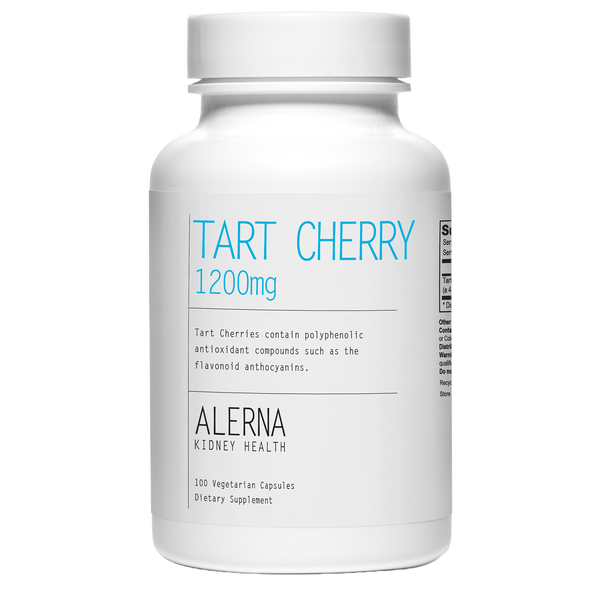
What Makes a High-Quality Supplement for Kidney Health?
Quality varies wildly from one brand to the next. Thankfully, a few clear markers separate trustworthy dietary supplements from the weak ones. You just need to know which safety signals to check on the label and the brand website before spending your money. Checking for these standards ensures you get a safe and effective formula:
Third-party testing: Look for quality verifications from groups like the United States Pharmacopeia (USP), the National Sanitation Foundation (NSF), or ConsumerLab.
Transparent ingredient panels: Demand a clean label that completely avoids hidden proprietary blends.
Clinically studied doses: Choose formulas that use real, effective amounts instead of tiny trace ingredients used just for show.
GMP-certified manufacturing: Ensure the product is made in a Good Manufacturing Practice certified facility for absolute safety.
Clear botanical sourcing: Look for explicit details regarding exactly where the brand gets its plant extracts and minerals.
Clean formulas: Check that the product is free from common allergens, artificial dyes, and unnecessary fillers.
Accessible customer support: Buy from reputable companies that offer a clear return policy and easy-to-reach online service.
If a brand hides this information, you should probably walk away.

Which Ingredients Matter Most in a Supplement for Kidney Health?
A short list of well-researched ingredients actually does the real work in kidney support formulas. Knowing exactly what each component does helps you compare products fast and find the right match. These specific nutrients target different aspects of your internal filtration system to support kidney health.
Potassium Citrate for Mineral Balance and Urinary Health
Potassium is a vital mineral that helps control acid levels in your urine. Potassium citrate specifically supports mineral balance and helps prevent crystallization that can lead to kidney stones. This ingredient is crucial for maintaining a healthy environment inside your urinary tract while also safely supporting your teeth and bones.
Chanca Piedra for Traditional Kidney Support
This popular herbal supplement has a long history of use for natural urinary support. Chanca piedra works alongside a balanced diet to promote normal kidney function and comfortable fluid flow. Each person can rely on it to safely maintain overall wellness when combined with nutritious food.
Stinging Nettle Leaf for Healthy Fluid Function
Stinging nettle leaf is a traditional botanical that encourages the natural flushing of waste. It helps your body eliminate toxins and supports normal fluid balance without causing harsh side effects. This gentle action makes it a staple in many daily routines, much safer than an aggressive kidney detox or cleanse.
B-Complex Vitamins for Cellular Energy and Metabolism
Essential vitamins like thiamin, riboflavin, niacin, pantothenic acid, biotin, and folic acid provide the energy your cells need to function. These B vitamins support the production of red blood cells and help maintain healthy tissues throughout your body. Proper cellular energy is vital for your organs to filter blood effectively and provide essential nutritional support for patients managing complications such as anemia.
TURN SMART LABEL READING INTO DAILY ACTION
You now know what to check before buying. Alerna Tart Cherry offers a convenient capsule format for consistent daily wellness support.
Shop Tart Cherry CapsulesWhat Should You Avoid When Choosing a Kidney Supplement?
A handful of ingredients and shady marketing tactics serve as clear warning signs of low-quality products. You must skip formulas that hide exact contents or make impossible medical claims. Protecting your health means knowing exactly what to leave on the shelf:
Mega-doses of vitamin C: We know vitamin C is a powerful antioxidant, but too much vitamin C can actually increase the risk of certain stone formations. You must keep doses safe to prevent toxic levels.
Excessive vitamin D: Avoid amounts beyond recommended levels unless explicitly advised by your healthcare team.
Undisclosed potassium: Skip high-potassium blends that fail to disclose exact amounts on the label.
Hidden phosphorus: Watch out for unexpected sources of phosphorus like flaxseed oil or added preservatives.
Proprietary blends: Always reject vague labels that hide the true doses of other ingredients.
Illegal medical claims: Never buy products that claim to treat, cure, or reverse chronic kidney disease, kidney disease, or any major health problem.
Missing credentials: Avoid brands that lack third-party testing, manufacturing certifications, or published lab results.
Patients on dialysis must be incredibly careful and talk to a doctor before taking anything new.

How Do You Match a Kidney Supplement to Your Health Goals?
Different wellness goals call for completely different nutritional formulas. Knowing exactly what you want to achieve narrows your shortlist quickly and prevents you from buying the wrong product. You can easily tailor your choice to match your specific daily needs.
For Stone Prevention and Mineral Balance
You might need a formula rich in specific minerals if maintaining calcium and phosphorus balance is your main focus. Ingredients like potassium citrate and magnesium are highly effective for supporting this delicate mineral balance. Such targeted nutritional support helps maintain a healthy urinary environment and safely manage iron.
For Daily Filtration and Wellness Support
A daily vitamin supplement or multivitamin designed for renal care can provide broad support. Renal vitamins often include B vitamins, safe vitamin C supplements, and minerals like selenium or zinc to boost your immune system and support natural defenses against infection. These essential nutrients help your kidneys filter waste day after day.
For Hydration and Urinary Comfort
Focusing on natural botanicals is best when you want to promote comfortable fluid flow. Stinging nettle and chanca piedra gently support the natural detoxification process. This approach is much safer than relying on harsh teas or unregulated detox formulas.
For Active Lifestyles and Higher-Protein Diets
When you eat a lot of protein, your body works harder to filter waste. A targeted supplement can give you more energy and support your tissues during the extra workload. Proper hydration and specific herbal extracts help your system process that dietary protein efficiently.
MAKE A CONFIDENT CHOICE FOR YOUR WELLNESS ROUTINE
Put your new knowledge to work. Choose Alerna Tart Cherry and build a proactive routine around hydration, balanced nutrition, and consistency.
Add Tart Cherry to Your RoutineMaking a Smart, Confident Choice for Your Kidneys
Choosing the right supplement requires you to read the label carefully and thoroughly vet the brand before purchasing. You must look for clinically studied ingredients at meaningful doses while avoiding common red flags such as proprietary blends or illegal disease claims.
Matching the specific formula to your personal wellness goals ensures you get the most benefit safely. Alerna's kidney support line offers a transparent option built around well-researched ingredients to help maintain normal filtration and daily urinary health.
Frequently Asked Questions
What is the safest supplement for kidney health?
The safest option is a third-party tested formula that uses clinically studied doses of natural ingredients like potassium citrate without making illegal medical claims.
What ingredients should I avoid in a kidney supplement?
You should avoid mega-doses of vitamin C, hidden phosphorus, and any vague proprietary blends that do not list exact ingredient amounts.
Can I take a kidney supplement with my prescription medications?
You must talk to your doctor or healthcare team before mixing any herbal supplement with your prescription medicine to prevent dangerous drug interactions.
How long does it take to feel results from a kidney supplement?
Most people notice subtle improvements in energy and fluid balance within a few weeks of consistent daily use.
Are kidney supplements regulated by the FDA?
The Food and Drug Administration (FDA) monitors dietary supplements for safety and labeling but does not approve them to treat or cure any medical condition
Medical Disclaimer:
The information provided in this article is for educational and informational purposes only and should not be considered a substitute for professional medical advice, diagnosis, or treatment. Please consult with your healthcare provider before starting any new dietary supplement, especially if you are pregnant, nursing, have a medical condition, or are taking other medications. Never disregard professional medical advice or delay in seeking it because of something you have read in this article.
References
National Institute of Diabetes and Digestive and Kidney Diseases. (2017, May). Eating, diet, & nutrition for kidney stones. U.S. Department of Health and Human Services, National Institutes of Health. https://www.niddk.nih.gov/health-information/urologic-diseases/kidney-stones/eating-diet-nutrition
National Institute of Diabetes and Digestive and Kidney Diseases. (2017, May). Treatment for kidney stones. U.S. Department of Health and Human Services, National Institutes of Health. https://www.niddk.nih.gov/health-information/urologic-diseases/kidney-stones/treatment
Office of Dietary Supplements. (2025, July 31). Vitamin C. National Institutes of Health. https://ods.od.nih.gov/factsheets/VitaminC-HealthProfessional/
U.S. Food and Drug Administration. (2024, April 24). Current good manufacturing practices (CGMPs) for food and dietary supplements. https://www.fda.gov/food/guidance-regulation-food-and-dietary-supplements/current-good-manufacturing-practices-cgmps-food-and-dietary-supplements
U.S. Food and Drug Administration. (2024, March 28). Structure/function claims. https://www.fda.gov/food/nutrition-food-labeling-and-critical-foods/structurefunction-claims


