


Table of Contents
Standing in the grocery aisle, wondering whether a can of soup will hurt the kidneys, is a special kind of stress. Diet plays a direct role in kidney health, and sorting the foods that help from the ones that hurt can feel like learning a new language.
The good news is that the foods that improve kidney function are usually simple, familiar, and easy to find. One honest caveat, though. No food reverses existing kidney damage. The goal is to support the kidneys, ease the workload, and protect the remaining function. Nutrient-dense foods act as building blocks for the body’s filtration system.
MAKE KIDNEY-FRIENDLY EATING FEEL SIMPLE
Confusing labels and mineral limits can make grocery shopping stressful. Pair kidney-conscious meals with Alerna Uric Acid Support as part of a provider-approved wellness routine.
Explore Uric Acid Support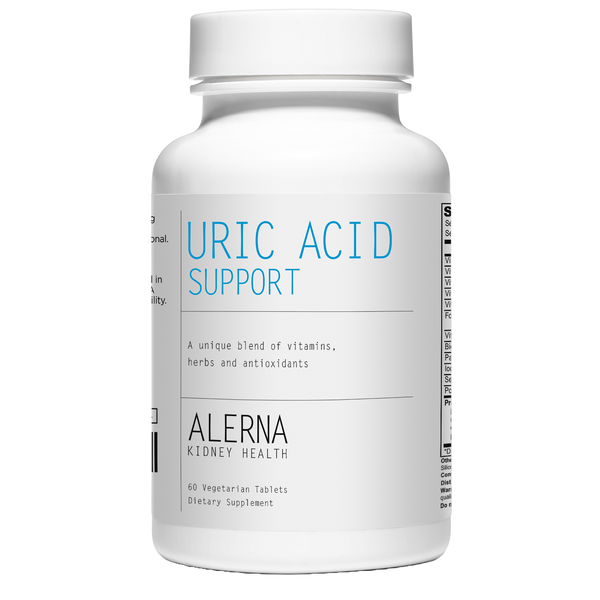
What Is the Connection Between Diet and Kidney Health?
Everything a person eats and drinks passes through the kidneys for filtering. The kidneys remove waste, balance fluids, and regulate minerals like sodium and potassium. A diet high in salt, sugar, or unhealthy fats makes them work harder to keep the blood clean.
Crucial Role in the Body
Healthy kidneys filter about half a cup of blood every minute, removing toxic substances and extra fluid. They also help control blood pressure and produce hormones that keep bones and red blood cells healthy. As kidney function declines, these jobs get harder, which is why proper nutrition matters at every stage of life.
Influence of Blood Pressure
High blood pressure is a leading cause of chronic kidney disease. Elevated pressure damages the tiny blood vessels inside the kidneys and reduces the ability to filter waste. Keeping blood pressure within a healthy target range through diet is one of the most effective ways to protect kidney function in the long-term.
Impact of Daily Dietary Choices
Small daily choices add up. Someone who reaches for processed and packaged foods takes in more sodium than someone who cooks with fresh vegetables and lean protein. Over time, those choices shape whether the kidneys stay healthy or face a higher risk of damage.

Which Foods Provide the Best Support for Kidney Function?
The best foods for kidney health are low in sodium, rich in antioxidants, and gentle on minerals like potassium and phosphorus. Many foods fit into a kidney diet, and building meals around them supports both kidney and heart health.
Low-Sodium Protein Options
High-quality protein is essential, but not all sources suit people who are watching their kidney health. Skinless chicken, fish, and egg whites offer lean protein without the sodium load of deli meats or canned foods. A chicken salad made with fresh herbs instead of bottled dressing keeps sodium low and still tastes good.
Kidney-Friendly Fruits and Vegetables
Red bell peppers stand out among kidney-friendly foods, as they are low in potassium and packed with vitamin C, which helps keep the body healthy and supports the immune system. Cauliflower, cabbage, and berries are other strong picks, supplying essential nutrients and vitamins, including vitamin K, without overloading the kidneys with hard-to-filter minerals.
Healthy Omega-3 Sources
Olive oil and flax seeds provide healthy fats that round out heart-healthy foods without adding sodium or phosphorus. Olive oil contains oleic acid, a fat linked to reduced inflammation, and omega-3 fats also help support healthy cell membranes. A drizzle over vegetables, or flax seeds in oatmeal, works these nutrients into a healthy eating plan.

How Do Heart-Healthy Foods Benefit the Kidneys?
Cardiovascular health and kidney health are closely linked, since healthy blood vessels keep blood flowing to the kidneys:
Flax seeds contain compounds that help reduce inflammation throughout the body, easing the load on blood vessels near the kidneys.
Omega-3 fatty acids in fish and flax seeds are linked to lower LDL cholesterol and reduced heart disease risk, which also eases strain on the kidneys.
One to two tablespoons of ground flaxseed a day, or two servings of fatty fish a week, is generally enough.
PAIR SMARTER FOOD SWAPS WITH DAILY SUPPORT
Fresh foods, lower-sodium meals, and careful label reading build a stronger routine. Add Alerna Uric Acid Support for consistent everyday wellness.
Add Daily Wellness SupportWhich Nutrients Should Someone Limit for Optimal Balance?
People with declining kidney function often need to limit potassium, phosphorus, and sodium, since damaged kidneys struggle to clear these minerals. When they build up in the blood, they can lead to health conditions such as an irregular heartbeat and weakened bones.
High-Potassium Ingredients
Bananas, oranges, potatoes, and tomatoes are nutritious for most people but risky for anyone with kidney disease. A healthcare provider may recommend a potassium binder when diet alone cannot control levels. Swapping high-potassium produce for options like apples or grapes is a practical first step.
Phosphorus-Heavy Products
Dairy products, nuts and seeds, and many packaged foods carry added phosphorus that damaged kidneys have trouble removing. Reading food labels helps flag hidden phosphorus additives, often listed as “phos.” Dark-colored sodas belong on the limit list too, since colas contain phosphorus additives. Fresh, whole foods over packaged alternatives naturally reduce phosphorus intake.
High-Sodium Processed Foods
Canned foods and frozen dinners are common sources of excess sodium. Rinsing canned vegetables cuts sodium, and low-sodium pantry staples add up over time. Salt substitutes add flavor without sodium, but many contain potassium, so check with a registered dietitian before using them.

How Does Diet Affect Blood Pressure Management?
Sodium and certain fats influence how relaxed or constricted the blood vessels are, and steady blood pressure helps protect the small vessels in the kidneys.
Sodium and Vascular Tension
Too much sodium causes the body to retain extra fluid, which raises blood pressure and continues to stress blood vessel walls. Less salt in cooking and fewer salty condiments help keep blood vessels relaxed and reduce strain on the kidneys.
DASH-Inspired Dietary Choices
The DASH (Dietary Approaches to Stop Hypertension) eating plan emphasizes whole grains, fruits, vegetables, and lean protein while limiting sodium and saturated fat. Many DASH principles overlap with a kidney diet. One caveat: standard DASH runs high in potassium and phosphorus, so advanced kidney disease usually requires a dietitian-modified version.
Routine Blood Pressure Tracking
Checking blood pressure at home catches changes early, before they cause lasting kidney damage. A simple log shared with a healthcare provider makes it easier to adjust diet and medication.
What Are the Core Principles of a Kidney-Friendly Diet?
A kidney-friendly diet manages sodium, potassium, phosphorus, protein, and fluid based on individual lab results:
Cook with garlic powder, herbs, and citrus instead of salt to add flavor without raising sodium.
Choose lower-potassium produce like apples, berries, and cabbage over bananas and potatoes.
Read food labels for phosphorus additives, and pick fresh foods over packaged foods.
Adjust protein by kidney function stage, since needs shift from the early stages of disease to dialysis.
Track daily fluid in later stages of kidney disease to avoid overloading the heart and kidneys.

How Can Someone Build a Kidney-Friendly Meal Plan?
A kidney-friendly meal plan starts with simple ingredient swaps, not a full overhaul. Consistent changes are easier to keep than drastic ones, and a few reliable kidney-friendly recipes in rotation make the plan easier to stick with.
Sample Daily Menus
A typical day: scrambled egg whites with red bell peppers at breakfast, a chicken salad on whole-grain bread at lunch, grilled fish with steamed cauliflower at dinner. For drink choices, cranberry or grape juice, in moderation, serves as a lower-potassium alternative to orange juice.
Smart Ingredient Swaps
Swapping canned soup for a homemade broth-based version, or potato chips for unsalted popcorn, cuts sodium without losing satisfaction and trims inflammation-triggering ingredients.
Label Reading for Hidden Additives
Food labels often bury sodium and phosphorus behind unfamiliar names. Scanning for “sodium,” “phosphate,” or “potassium chloride” helps spot foods high in additives that a kidney diet should limit.
Why Do Nutritional Needs Shift Over Time?
Kidney function changes over the years, and what a diet needs to do in the early stages of disease differs from what it needs to do later on. A plan that fits someone newly diagnosed may not fit once dialysis begins.
Adjustments for Specific Health Phases
In the early stages of kidney disease, a lower-protein diet may help slow progression. Once dialysis starts, protein needs often rise, since treatment removes protein from the blood; many patients are told to eat more protein. These shifts make ongoing monitoring essential.
Medication and Food Interactions
Some medications interact with certain foods or minerals. These interactions can change how much potassium or phosphorus a person can safely consume.
Individualized Renal Dietitian Plans
No single meal plan fits everyone. A registered dietitian who specializes in renal nutrition can build a personalized eating plan around lab results, medications, and other health conditions.

What Lifestyle Habits Protect Long-Term Renal Health?
Diet alone does not protect kidney health. Blood sugar control, physical activity, and weight management all help keep the kidneys working well.
Consistent Blood Sugar Management
Uncontrolled blood sugar is a top cause of kidney damage. Steady glucose from balanced meals reduces the daily wear on delicate kidney tissue.
Regular Physical Activity
Regular movement helps manage blood pressure, blood sugar, and weight gain, three factors that all affect kidney health. Even a daily walk adds up over time.
Routine Weight Management
Extra weight increases the kidneys’ workload and raises the risk of high blood pressure and diabetes, both of which harm kidney function. Gradual weight loss through a balanced diet supports the kidneys far more than extreme dieting.
TURN ONE HEALTHY SWAP INTO DAILY PROGRESS
Start with one practical food change and keep it consistent. After checking with your provider, make Alerna Uric Acid Support part of your wellness plan.
Shop Uric Acid SupportHow Will Better Nutrition Start Today?
Supporting kidney health comes down to a few habits: low-sodium, high-quality protein, watching potassium and phosphorus, reading food labels, and checking in with a healthcare provider or registered dietitian. Pick one small swap this week, like a homemade soup in place of a can, and build from there.
Anyone considering a supplement should talk to a nephrologist first, since some supplements are not safe for people with kidney disease. For readers ready for that step, Alerna Kidney Health offers nutritional supplements meant to complement a kidney-conscious routine.
These statements have not been evaluated by the Food and Drug Administration. This product is not intended to diagnose, treat, cure, or prevent any disease.
Frequently Asked Questions
What is the number one best food for kidneys?
What is the number one best food for kidneys?
Red bell peppers are often called one of the best foods for kidney health, since they are low in potassium and high in vitamin C.
Are eggs good for kidney function?
Egg whites are a good source of high-quality protein with less phosphorus than the yolk, which makes them a kidney-friendly choice in moderation.
What fruits help repair the kidneys?
No fruit repairs kidney damage, and it helps to be clear about that. Berries, apples, and grapes are lower in potassium than bananas or oranges, making them gentler choices for anyone monitoring mineral intake as part of a kidney diet.
Is drinking lemon water good for kidney health?
Lemon water can help with hydration and may support kidney stone prevention, but it should not replace a doctor’s fluid recommendations.
Can a person improve kidney function naturally?
A low-sodium, balanced diet, managed blood pressure and blood sugar levels, regular activity, and a registered dietitian’s guidance can support kidney function and help slow the decline. These habits protect function rather than reverse damage already done.
Medical Disclaimer:
The information provided in this article is for educational and informational purposes only and should not be considered a substitute for professional medical advice, diagnosis, or treatment. Please consult with your healthcare provider before starting any new dietary supplement, especially if you are pregnant, nursing, have a medical condition, or are taking other medications. Never disregard professional medical advice or delay in seeking it because of something you have read in this article.
References
Adair, K. E., & Bowden, R. G. (2020). Ameliorating Chronic Kidney Disease Using a Whole Food Plant-Based Diet. Nutrients, 12(4), 1007. https://doi.org/10.3390/nu12041007
Clegg, D. J., Headley, S. A., & Germain, M. J. (2020). Impact of Dietary Potassium Restrictions in CKD on Clinical Outcomes: Benefits of a Plant-Based Diet. Kidney medicine, 2(4), 476–487. https://doi.org/10.1016/j.xkme.2020.04.007
Lari, A., Sohouli, M. H., Fatahi, S., Cerqueira, H. S., Santos, H. O., Pourrajab, B., Rezaei, M., Saneie, S., & Rahideh, S. T. (2021). The effects of the Dietary Approaches to Stop Hypertension (DASH) diet on metabolic risk factors in patients with chronic disease: A systematic review and meta-analysis of randomized controlled trials. Nutrition, metabolism, and cardiovascular diseases : NMCD, 31(10), 2766–2778. https://doi.org/10.1016/j.numecd.2021.05.030
National Institute of Diabetes and Digestive and Kidney Diseases. (2018, June). Your kidneys & how they work. U.S. Department of Health and Human Services. Retrieved August 13, 2026, from https://www.niddk.nih.gov/health-information/kidney-disease/kidneys-how-they-work
Tuttle, K. R., Fornoni, A., Kliger, A. S., Kuehn, B., Weiner, D. E., West, M., Levin, A., & For Saving Kidneys Hearts Lives Conference Participants (2026). Nephrology in the Paradigm of Cardiovascular‑Kidney-Metabolic Health: Report of an ASN Initiative on Saving Kidneys, Hearts, and Lives. Clinical journal of the American Society of Nephrology : CJASN, 10.2215/CJN.0000001164. Advance online publication. https://doi.org/10.2215/CJN.0000001164


