


Table of Contents
Is the water someone drinks actually different from any other kind of water, or is water just water? Between filtered, alkaline, spring, and tap options, the choices at the grocery store can feel like a quiz nobody studied for. Yet behind the marketing labels sits a simpler question that matters far more: does water and kidney health really depend on the source, or does daily intake carry more weight than the bottle it comes in?
For people looking to support the body with more than just guesswork, exploring the curated wellness options at Alerna Kidney Health can be a helpful starting point. The right products, paired with good habits, can round out a hydration routine built for long-term balance.
Before choosing a brand, it helps to understand what water actually does once it enters the body. Proper fluid balance keeps the body's natural filtration system functioning as it should, and that process starts in the urinary tract.
MAKE EVERY GLASS PART OF A SMARTER ROUTINE
The best water is the one you drink consistently. When approved by your provider, Alerna Potassium Citrate can support normal urine pH and electrolyte balance.
Explore Potassium Citrate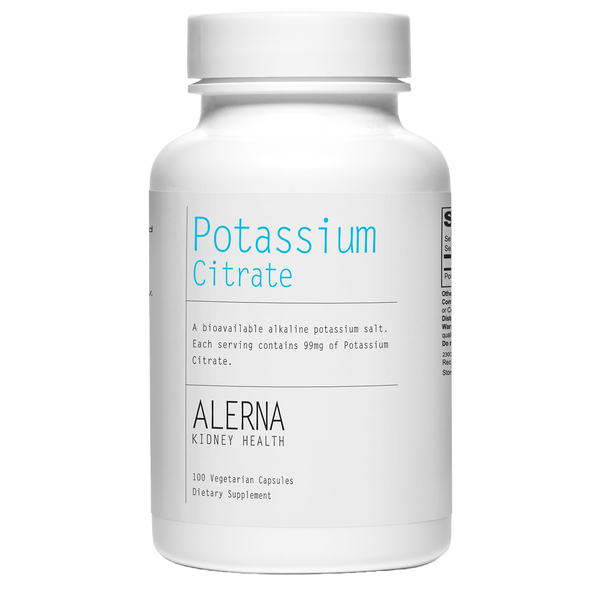
How Does the Urinary Tract Function?
The urinary tract serves as the body's built-in filtration and drainage network, clearing waste products while retaining nutrients the body still needs. It includes several organs, each playing a distinct role in this process. Understanding these parts makes it easier to see why fluid intake matters so much.
Essential Urinary Tract Components
The kidneys, ureters, bladder, and urethra form the main structure of the urinary tract. The kidneys sit near the lower back and act as the primary filters, while the ureters carry urine down to the bladder for storage until it leaves the body.
Basic Filtration Processes
Blood flows through the kidneys thousands of times a day, and tiny filtering units called nephrons remove waste and excess fluid while keeping useful nutrients in circulation. This filtering also helps balance sodium, potassium, and other minerals the body depends on.
Continuous Urine Formation
Urine forms nonstop as the kidneys filter blood, even during sleep. This steady output is a sign that healthy kidneys are doing the job well, moving waste out before it can build up.

How Does Increased Hydration Support Normal Function?
Drinking enough fluids keeps urine diluted and reduces the kidneys' workload. When the body has enough water on hand, the filtration system can flush out waste efficiently instead of straining to process a smaller, more concentrated volume.
Reduction of Urine Concentration
Pale yellow urine usually signals good hydration, while dark yellow urine often means the body needs more fluids. Concentrated urine forces the kidneys to work harder to remove waste, which adds unnecessary stress over time.
Natural Flushing of the Tract
Regular fluid intake helps rinse the bladder and urinary tract. This may reduce the risk of bacteria settling and causing irritation or infection.
Normal Toxin Removal
Water helps carry waste products and toxins out of the body through urine. Without enough fluid moving through the system, waste can linger longer than it should.

What Are Healthy Hydration Targets?
Establishing a proper daily routine requires understanding that universal recommendations often need adjustment based on personal factors:
Fluid needs vary based on activity level, climate, and overall health, so there is no single number that fits everyone
Checking urine color offers a quick, at-home way to gauge hydration, with pale yellow generally indicating a good balance
A healthcare team can set personalized fluid targets, especially for those managing kidney disease or other health conditions
How Does Fluid Intake Affect Mineral Crystallization?
Fluid intake directly affects whether minerals in urine remain dissolved or precipitate into kidney stones. A steady flow of water dilutes these minerals, while low fluid levels give them more chance to bond and harden. For readers who want to dig deeper into how mineral balance works, Alerna Kidney Health offers educational resources focused on this topic.
Risks of Low Fluid Volume
When fluid intake drops, urine becomes concentrated with salts like calcium and oxalate. Over time, this raises the risk of kidney stones forming and causing painful complications.
Proactive Hydration Strategies
Spreading fluid intake evenly throughout the day helps keep mineral concentrations low and steady. Drinking large amounts all at once may not provide the same consistent effect.
Monitoring Daily Output
Paying attention to how often someone urinates can offer early clues about hydration. Urine color and volume may also show whether fluid intake needs adjusting.
PAIR STEADY HYDRATION WITH CITRATE SUPPORT
Plain, filtered, or spring water can all support hydration. Add Alerna Potassium Citrate to a provider-approved kidney wellness routine.
Add Citrate SupportWhat Is the Link Between Hydration and Organ Stress?
Ongoing dehydration forces the kidneys to work harder just to keep up with normal, everyday waste removal. That extra strain, repeated day after day, can affect more than just the urinary tract.
Acute Dehydration Impacts
Short-term dehydration from vomiting, heavy exercise, or illness can cause symptoms like dizziness, fatigue, and reduced urine output. Severe cases can quickly strain the kidneys.
Chronic Dehydration Concerns
Consistently low fluid intake over months or years is linked to a higher risk of kidney damage and may contribute to chronic kidney disease in some people, according to several studies. Dehydration can also affect blood pressure, since blood volume drops when fluid levels are too low.
Proactive Fluid Management
Building steady hydration habits gives the kidneys a more consistent, manageable workload. This can be more helpful than waiting until thirst hits before drinking fluids.
Proactive Fluid Management
Building steady hydration habits gives the kidneys a more consistent, manageable workload. This can be more helpful than waiting until thirst hits before drinking fluids.

When Are Fluid Limits Necessary?
Most people benefit from drinking more water, but some medical conditions call for the opposite approach. In these cases, too much water can actually cause harm rather than help.
Advanced Function Decline Restrictions
People with advanced kidney failure or those on dialysis often cannot remove excess fluids efficiently. For them, drinking too much water can lead to fluid overload, swelling, and added stress on the heart and blood vessels.
Coordination With Medical Teams
Anyone managing chronic kidney disease, heart failure, or other conditions that affect fluid balance should work closely with a healthcare team to set safe daily limits.
Alternatives to Large-Volume Drinks
For those on fluid restrictions, small sips, ice chips, or measured portions throughout the day can help manage thirst without exceeding a set limit.
Which Beverages Offer the Best Support?
Selecting the right liquids makes a significant difference in how effectively the body maintains its natural internal equilibrium:
Plain water remains the top choice for most people, since it hydrates without added sugars, sodium, or calories
Sugary drinks, energy drinks, and drinks high in caffeine or alcohol should be limited, as they can contribute to dehydration, weight gain, and added strain on the kidneys
Herbal teas and fruit-infused water offer flavor without the added sugars found in many sodas and juices

How Can Someone Drink More Water Daily?
Building a hydration habit usually comes down to small, repeatable changes rather than sheer willpower. A few simple adjustments can make daily water intake feel automatic instead of forced.
Accessible Refillable Bottles
Keeping a refillable bottle within reach, whether at a desk, in a bag, or in the car, removes one of the biggest barriers to drinking enough water during a busy day.
Scheduled Drinking Reminders
Phone alarms or hydration apps can prompt regular sips, which is especially useful for people who tend to forget to drink until they feel thirsty.
Natural Flavor Additions
Slices of lemon, cucumber, or berries can make plain water more appealing without adding meaningful sodium or sugar.
High-Water Content Foods
Foods like watermelon, cucumbers, and soups contribute to daily fluid intake and support overall nutritional balance alongside drinking water.
How Should Individuals Monitor Daily Hydration?
Tracking a few simple signals at home provides a clear picture of whether current habits meet the body's actual needs. These checks take only a few seconds and require no special equipment.
Routine visual checks of urine: Pale yellow urine is a reliable sign of good hydration, while dark yellow or amber urine often indicates dehydration.
Tracking daily weight changes: Sudden weight gain, especially paired with swelling in the legs or ankles, can signal fluid retention and may be worth discussing with a healthcare team.
Routine laboratory assessments: Blood tests that measure kidney function can catch early changes before symptoms appear, making regular checkups a valuable part of any hydration plan.
TURN BETTER HYDRATION INTO DAILY ACTION
Choose water you enjoy, drink it consistently, and follow your provider’s guidance. Make Alerna Potassium Citrate your next proactive wellness step.
Shop Potassium CitrateHow Will Better Hydration Start Today?
Water and kidney health are closely tied together, from how the urinary tract filters waste to how mineral balance affects the risk of kidney stones. Staying hydrated with plain water, cutting back on sugary drinks, and checking in with a healthcare team for personalized targets all support healthy kidneys over time. Small steps, like swapping one soda for a glass of water or setting a daily reminder to drink more, add up quickly.
For those ready to take hydration seriously, Alerna Kidney Health offers quality-focused resources designed to support a proactive urinary wellness routine. Start today by paying closer attention to fluid intake, and give the kidneys the support they need to keep working well for years to come.
Frequently Asked Questions
Is purified water or spring water better for kidneys?
Both purified and spring water can support healthy hydration, and the biggest factor for kidney health is drinking enough fluids overall rather than the specific source.
Can drinking too much water hurt the kidneys?
Yes, drinking excessive amounts of water in a short time can overwhelm the kidneys and dilute sodium levels in the blood, though this is rare in most people with normal kidney function.
Does lemon water help the urinary tract?
Lemon water adds flavor and a small amount of citrate, which some studies suggest may help reduce the risk of certain kidney stones, though it is not a replacement for regular water intake.
How much water should a person drink for optimal kidney health?
Daily fluid needs vary based on activity, climate, and health status, so it is best to consult a healthcare team for a personalized target rather than relying on a single number.
Does alkaline water prevent kidney stones?
Current research does not show that alkaline water prevents kidney stones any better than regular water, and staying consistently hydrated matters more than the water's pH level.
Medical Disclaimer:
The information provided in this article is for educational and informational purposes only and should not be considered a substitute for professional medical advice, diagnosis, or treatment. Please consult with your healthcare provider before starting any new dietary supplement, especially if you are pregnant, nursing, have a medical condition, or are taking other medications. Never disregard professional medical advice or delay in seeking it because of something you have read in this article.
References
Belasco, R., Edwards, T., Munoz, A. J., Rayo, V., & Buono, M. J. (2020). The effect of hydration on urine color objectively evaluated in CIE Lab* color space. Frontiers in Nutrition, 7, 576974. https://doi.org/10.3389/fnut.2020.576974
Gong, X., Zeng, X., & Fu, P. (2023). Association between weight change during adulthood and chronic kidney disease: Results from a national survey 2011–2018. Diabetes, Metabolic Syndrome and Obesity: Targets and Therapy, 16, 3817–3826. https://doi.org/10.2147/DMSO.S435886
National Kidney Foundation. (2024, January 15). Healthy hydration and your kidneys. https://www.kidney.org/kidney-topics/healthy-hydration-and-your-kidneys
Peruzzo, M., Milani, G. P., Garzoni, L., Longoni, L., Simonetti, G. D., Bettinelli, A., Fossali, E. F., & Bianchetti, M. G. (2010). Body fluids and salt metabolism—Part II. Italian Journal of Pediatrics, 36(1), 78. https://doi.org/10.1186/1824-7288-36-78


