


Table of Contents
Your urine holds clues most people never think about. Every day, minerals like calcium, oxalate, and uric acid pass through your kidneys, and when the balance tips too far, they can crystallize into painful kidney stones. If you have already had one, you know the fear of another attack creeping up on you. This is where potassium citrate for kidney stones comes in. Doctors have relied on this compound for decades to shift urine chemistry away from stone formation and toward stability.
Before getting into the science, it helps to know that a proactive approach matters just as much as any single medication. Alerna Kidney Health offers a curated set of wellness resources centered on that idea, providing practical support as people work toward long-term urinary balance. From there, the real question becomes how a simple compound like potassium citrate actually changes what happens inside your body.
Potassium citrate works by altering two things: urine pH and citrate levels. Together, these changes make it harder for stone-forming minerals to bind and crystallize.
BUILD A SMARTER STONE-AWARE ROUTINE
Worried about repeat stones? When your clinician recommends citrate support, Alerna Potassium Citrate can complement hydration and daily urinary wellness habits.
Explore Potassium Citrate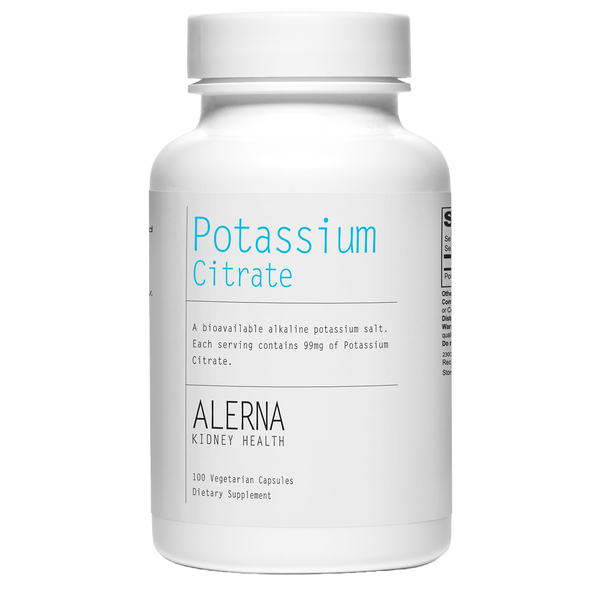
How Does Potassium Citrate Function in the Body?
Potassium citrate works in the body by binding to calcium in the urine and raising urine pH, two changes that stop stone-forming crystals from developing. This dual-action targets the two primary chemical drivers of kidney stones: excess free calcium and acidic urine. Here is a closer look at each mechanism, along with how the compound supports people prone to uric acid stones.
Binding to Calcium Minerals
Citrate binds to calcium in the urine, forming a soluble compound that the body can pass out safely rather than allowing it to crystallize with oxalate. This matters because calcium oxalate is the most common component of kidney stones. When urinary citrate levels are low, calcium binds more readily with oxalate, and stones form faster.
Alkalinization of Urine pH
Potassium citrate raises urine pH by supplying citric acid that the body converts into bicarbonate. Alkaline urine is less hospitable to certain types of stones, especially uric acid stones, which tend to form in acidic conditions. Doctors often check urine pH during treatment to confirm levels have moved into a safer range.
Support for Uric Acid Balance
For patients prone to uric acid stones, potassium citrate raises urine pH enough to dissolve small uric acid crystals before they grow larger. Uric acid stones form when urine remains too acidic for too long, often associated with diets high in animal protein. Raising the pH gives uric acid a better chance of remaining dissolved rather than developing into a full stone.

When Is This Compound Typically Recommended?
Doctors typically recommend potassium citrate for kidney stones when lab testing shows low urinary citrate, a condition called hypocitraturia, or when a patient has a history of calcium oxalate or uric acid stones. A 24-hour urine collection usually confirms the diagnosis before treatment begins. From there, the specific reason for low citrate shapes how prescription potassium citrate gets dosed and monitored.
Management of Hypocitraturia
Hypocitraturia means the body isn't producing enough urinary citrate on its own, and it's one of the most common findings in recurrent stone formers. Causes range from renal tubular acidosis to a diet high in salt and animal protein. Potassium citrate replaces what the body lacks, restoring levels that resist stone formation.
Support for Calcium Oxalate Challenges
Patients with a history of calcium oxalate stones often need potassium citrate to prevent calcium from freely binding with oxalate in the urine. Low citrate combined with high oxalate intake, common in diets heavy in certain vegetables, raises the risk of future kidney stones. Treatment aims to correct that imbalance before another stone can form.
Benefits for Uric Acid Balance
People who form uric acid stones, including some patients with gout or diabetes, benefit from potassium citrate because it raises urine pH into a range where uric acid stays dissolved. This differs from calcium oxalate stones, which respond more to citrate's calcium-binding effect than its pH-raising effect. A doctor will review medical history and prior stone composition before settling on a treatment plan.
What Are the Standard Dosing Guidelines?
Establishing a proper routine requires precise measurements and strategic timing to ensure maximum efficacy:
Available tablet strengths including 5, 10, and 15 mEq options, often in extended-release tablet form
Daily starting amounts intended for mild hypocitraturia, typically split into two or three doses
Higher requirements designed for severe hypocitraturia, adjusted based on repeat 24-hour urine testing
Taking each dose with meals or right after eating, along with a full glass of water, to minimize gastrointestinal upset

How Do Doctors Monitor Ongoing Therapy?
Doctors monitor potassium citrate therapy with repeat lab tests to confirm that urine pH and citrate levels are trending in the right direction. This oversight also monitors for side effects such as high potassium levels, since too much can strain the kidneys or heart. Most urology practices schedule these checks a few months apart, adjusting the dose as needed.
Comprehensive 24-Hour Urine Testing
A 24-hour urine test remains the standard for tracking citrate, calcium, oxalate, and uric acid levels over a full day. The results tell the doctor whether the current dose is working or needs adjustment. Most recurrent stone formers repeat this test every six to twelve months.
Periodic pH Assessments
Simple urine pH checks, sometimes done at home with test strips, offer a quick snapshot between full lab tests. A pH that stays too low suggests the current dose isn't raising alkalinity enough. A pH that climbs too high brings its own risks, so doctors aim for a target range rather than a maximum.
Routine Imaging Scans
Imaging scans, usually ultrasound or low-dose CT, check whether existing stones are shrinking or whether new ones are forming despite treatment. These scans don't replace urine testing, but they confirm what the lab numbers suggest. Frequency depends on stone history and how well the current plan is decreasing new stone activity.
What Are the Common Side Effects and Warnings?
Understanding potential physiological reactions ensures a safe and comfortable experience with the supplementation protocol:
Mild nausea, stomach upset, or vomiting, especially when starting the medicine
A tablet shell that resembles coffee grounds passing through in stool, which is harmless
Hyperkalemia, or high potassium, in patients with kidney disease or reduced kidney function
Contraindications such as peptic ulcer disease, severe kidney disease, or trouble swallowing tablets whole
PAIR LAB-GUIDED CARE WITH CITRATE SUPPORT
Urine pH, citrate levels, and stone type all matter. Add Alerna Potassium Citrate to a clinician-guided routine built around fluids and lower sodium.
Add Citrate SupportHow Does It Compare to Other Options?
Potassium citrate compares favorably to other alkalinizing medications because it doesn't add extra sodium, something sodium bicarbonate can't claim. Thiazide diuretics work through a different pathway and are often combined with, not substituted for, citrate therapy. The right choice always comes down to what the patient's lab results and stone type show.
Contrast With Sodium Bicarbonate
Sodium bicarbonate also raises urine pH, but it adds sodium to the diet, which can worsen high blood pressure and increase calcium excretion in the urine. Potassium citrate avoids that trade-off, making it the preferred choice for most recurrent stone formers. Patients with heart problems or salt-sensitive blood pressure benefit most from this difference.
Comparison With Thiazide Diuretics
Thiazide diuretics lower urinary calcium by changing how the kidneys handle sodium and calcium, rather than by raising citrate or pH. Doctors often prescribe them alongside potassium citrate for patients with high urinary calcium and low citrate. Combining the two treatments addresses more than one risk factor at once.
Selection Based on Lab Results
The choice between these medications depends on what a 24-hour urine test reveals about a patient's specific stone risk. Someone with low citrate and normal calcium may only need potassium citrate. Someone with low citrate and high calcium may need both medications to work together.
What Practical Tips Help Ensure Success?
Success with potassium citrate often comes down to choosing the right formulation and taking it correctly every time. Extended-release tablet formulations release citrate slowly, which can reduce stomach upset compared with immediate-release formulations. Cost, dosing schedule, and swallowing ability all factor into which option works best for a given patient.
Evaluation of Supplement Strengths
Tablets come in 5, 10, and 15 mEq strengths, and matching the right strength to the prescribed dose can reduce the number of pills someone takes each day. Fewer, higher-strength tablets often improve adherence for patients who struggle with swallowing multiple pills. A pharmacist or doctor can help pick the most practical option.
Cost Comparisons per Dose
Generic potassium citrate is generally affordable, though extended-release tablet versions may cost more than immediate-release forms. Insurance coverage varies, so it helps to ask a pharmacist about cost before filling the next dose. Comparing pharmacies can also reveal meaningful price differences over the long term.
Proper Swallowing Techniques
Taking the tablet with a full glass of water and staying upright for at least ten minutes afterward helps prevent it from lodging in the esophagus. Crushing or chewing extended-release tablets can cause the citrate to be released too quickly, increasing the risk of stomach upset. Patients with ongoing trouble swallowing should talk to their doctor about alternative formulations.

How Can Individuals Support Overall Treatment?
Daily habits like drinking enough fluids and cutting back on sodium can significantly boost how well potassium citrate works. Diet plays just as large a role as the medication itself in helping prevent kidney stones. Small, consistent changes tend to matter more than occasional, drastic ones.
Increased Daily Fluid Intake
Drinking enough fluids, including water and citrus options like orange juice, dilutes urine and lowers the concentration of stone-forming minerals. Most doctors recommend sufficient fluid intake to produce close to 2.5 liters of urine per day. Coffee and other beverages count toward fluid intake too, though water remains the best default choice.
Reduction of Dietary Sodium
Cutting back on dietary sodium helps because high salt intake increases calcium excretion in the urine, reducing some of the benefit potassium citrate provides. Processed foods are usually the biggest source of hidden sodium in a typical diet. Reading labels and cooking more meals at home makes this change easier to sustain.
Strict Medication Adherence
Taking every dose on schedule and never skipping the next dose without talking to a doctor first keeps citrate and pH levels steady. Missed doses let urine chemistry drift back toward conditions that favor stone formation. Setting reminders or pairing doses with meals can help patients stay consistent.

What Does Clinical Research Reveal?
Clinical research shows that potassium citrate reduces kidney stone recurrence in patients with hypocitraturia and calcium oxalate or uric acid stones. The American Urological Association includes citrate therapy in its guidance for recurrent stone formers. Long-term studies also point to areas where more research is still needed.
Reduction in Crystallization Recurrence
Multiple studies link potassium citrate to a lower rate of new stone formation in patients who took it consistently for 1 to 5 years. The effect appears strongest in patients with confirmed low urinary citrate at baseline. Fewer new stones generally means fewer emergency visits and less pain overall.
Sustained Long-Term Benefits
Long-term follow-up data suggest the protective effect persists as long as patients remain on treatment and maintain lab monitoring. Stopping the medication without medical guidance often lets citrate levels drop back to baseline. This makes ongoing treatment, not a short course, the more effective approach for most recurrent stone formers.
Identified Evidence Gaps
Researchers still have questions about the ideal long-term dose and how treatment should be adjusted for patients with other conditions like diabetes or kidney disease. Some study populations are small, which makes it harder to generalize the results to all patients. This is why individualized treatment plans, guided by a patient's own lab results, remain the standard of care.
TAKE CONTROL OF YOUR URINARY WELLNESS PLAN
Use your test results, stay consistent with hydration, and follow your provider’s guidance. Make Alerna Potassium Citrate your next daily wellness step.
Shop Potassium CitrateHow Will Better Urinary Health Begin Today?
Potassium citrate for kidney stones works by binding excess calcium and raising urine pH, two changes that make it much harder for calcium oxalate and uric acid stones to form. But no medication works alone. Objective lab testing, including a 24-hour urine collection, is the only reliable way to confirm a treatment plan is actually correcting the imbalance behind your kidney stones.
Pair that clinical guidance with simple daily habits, drinking enough fluids and cutting back on sodium, and you give your body its best shot at staying stone-free.
If you're ready to take a more proactive approach, Alerna Kidney Health offers quality-focused urinary support resources built for exactly this kind of long-term prevention.
Frequently Asked Questions
How long does it take for potassium citrate to work?
Most patients see measurable changes in urine pH and citrate levels within a few weeks, though full stone prevention benefits are usually assessed after three to six months of consistent use.
Can a person take potassium citrate every day?
Yes, potassium citrate is typically taken daily as a long-term prescription, often for years, to maintain stable urinary citrate levels and reduce the risk of kidney stone recurrence.
What foods should someone avoid while taking potassium citrate?
Patients on potassium citrate should limit excess salt and animal protein intake, since both can counteract the medication's effects on urine pH and calcium levels.
Does potassium citrate dissolve existing kidney stones?
Potassium citrate can help dissolve small uric acid stones by raising urine pH, but it does not dissolve calcium oxalate stones that have already formed.
Is potassium citrate hard on the kidneys?
For most patients, potassium citrate is safe, but those with kidney disease need close monitoring, as the medication can raise blood potassium to unsafe levels.
Medical Disclaimer:
The information provided in this article is for educational and informational purposes only and should not be considered a substitute for professional medical advice, diagnosis, or treatment. Please consult with your healthcare provider before starting any new dietary supplement, especially if you are pregnant, nursing, have a medical condition, or are taking other medications. Never disregard professional medical advice or delay in seeking it because of something you have read in this article.
References
Bos, S., Nap, R. R., Wouters, R. S., & van der Kleij, F. G. (2014). Hypocitraturia: A common but not well-known cause of nephrolithiasis. The Netherlands Journal of Medicine, 72(10), 545–547.
Haylor, J., Lote, C. J., & Thewles, A. (1986). The effect of sodium bicarbonate on the flow-dependency of urinary prostaglandin excretion in man. Clinical Science, 70(2), 141–145. https://doi.org/10.1042/cs0700141
Musini, V. M., Nazer, M., Bassett, K., & Wright, J. M. (2014). Blood pressure-lowering efficacy of monotherapy with thiazide diuretics for primary hypertension. Cochrane Database of Systematic Reviews, 2014(5), CD003824. https://doi.org/10.1002/14651858.CD003824.pub2
Palmer, B. F., & Clegg, D. J. (2017). Diagnosis and treatment of hyperkalemia. Cleveland Clinic Journal of Medicine, 84(12), 934–942. https://doi.org/10.3949/ccjm.84a.17056
Shen, J., & Zhang, X. (2018). Potassium citrate is better in reducing salt and increasing urine pH than oral intake of lemonade: A cross-over study. Medical Science Monitor: International Medical Journal of Experimental and Clinical Research, 24, 1924–1929. https://doi.org/10.12659/MSM.909319
Whalley, N. A., Meyers, A. M., Martins, M., & Margolius, L. P. (1996). Long-term effects of potassium citrate therapy on the formation of new stones in groups of recurrent stone formers with hypocitraturia. British Journal of Urology, 78(1), 10–14. https://doi.org/10.1046/j.1464-410x.1996.09852.x
Zomorodian, A., & Moe, O. W. (2025). Citrate and calcium kidney stones. Clinical Kidney Journal, 18(9), sfaf244. https://doi.org/10.1093/ckj/sfaf244


