


Table of Contents
Burning, itching, and pressure down there can leave you guessing at what is actually wrong. A UTI and a yeast infection can feel a lot alike early on, which is why so many people mix them up. Sorting out UTI vs. yeast infection matters because they need different treatments, and using the wrong one can prolong the discomfort.
Alerna Kidney Health follows kidney and urinary wellness closely, and the goal here is to help you spot the key differences, understand what causes each, and know when it is time to see a doctor.
GET CLARITY, THEN SUPPORT YOUR URINARY ROUTINE
UTI and yeast infection symptoms can overlap, but they require different care. After getting the right diagnosis, add Alerna D-Mannose to a proactive urinary wellness routine.
Explore D-Mannose Support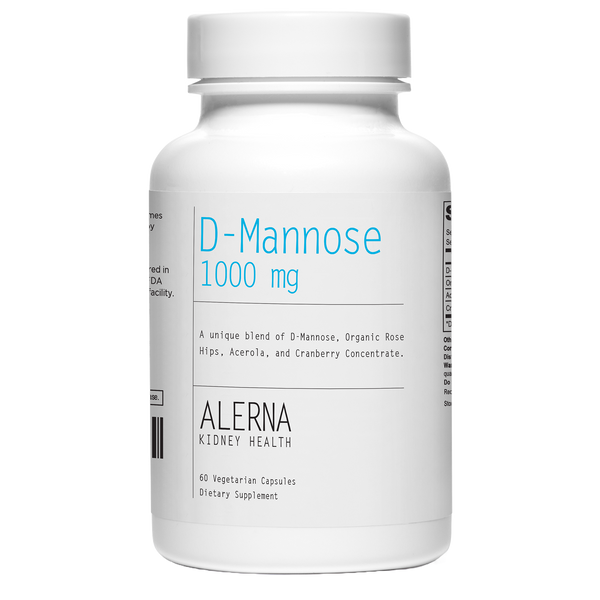
What Makes UTI and Yeast Infection Different?
A UTI and a yeast infection are different problems in different parts of the body. A urinary tract infection (UTI) is a bacterial infection of the urinary system, while a yeast infection is a fungal overgrowth in the vaginal area. Knowing where each one starts is the first step to telling them apart.
Bacterial Origin vs. Fungal Overgrowth
The root cause is the biggest difference between the two. A UTI is a bacterial infection, usually from bacteria entering the urethra and reaching the bladder. A vaginal yeast infection is a fungal infection caused by an overgrowth of a yeast called Candida albicans, which normally lives in the body in small amounts. Because one comes from bacteria and the other from yeast, they call for different treatments.
Urinary Tract vs. Vaginal Environment
Each infection also lives in a different place. A UTI affects the urinary tract, the system that makes and carries urine, including the bladder and kidneys. A yeast infection settles in the vaginal area, not the urinary system at all. That difference in location explains why the symptoms often feel so different once you know what to look for.

What Are the Symptoms?
The symptoms of a UTI and a yeast infection overlap in some ways but split apart in others. Both can cause a burning feeling, yet the rest of the picture usually points to one or the other. Paying attention to where the discomfort sits and what comes with it can help.
Burning Urination and Urgency
A burning feeling during urination is one of the most common UTI symptoms. It often comes with a frequent urge to go, even when little urine comes out, plus pressure low in the pelvis. Some people also notice cloudy urine or, in some cases, blood in the urine.
Itching and Thick Discharge
Intense vaginal itching is the hallmark of a yeast infection. The itching often comes with redness and a thick, white vaginal discharge that resembles cottage cheese. These symptoms center on the vaginal area rather than the bladder.
Pain Location Differences
Where the pain sits offers a strong clue. UTI discomfort tends to focus on the bladder, urethra, and lower abdomen near the pubic bone. Yeast infection irritation stays around the vaginal area, with itching and soreness rather than a burning urge to urinate. Both can cause burning, but the location and discharge usually tell them apart.

How Do You Know Which One You Have?
The fastest way to tell is to match your main symptom to each infection's pattern. A UTI centers on urination, while a yeast infection centers on itching and discharge. Here are quick clues to help distinguish between the two:
UTI: Frequent urge to urinate, cloudy urine, and pelvic pressure.
Yeast infection: Intense itching, redness, and cottage-cheese-like discharge.
Both: A burning sensation, but from different sources.
These clues point you in the right direction, though they are not a diagnosis. When the signs are mixed or unclear, a doctor can confirm which infection you have.
What Causes Each Condition?
A UTI and a yeast infection come from different triggers, even though some risk factors overlap. Bacteria drive one, and a yeast overgrowth drives the other. Knowing what sets each off can help you lower the odds of both.
UTI Triggers: Bacteria, Hygiene, Dehydration
Most UTIs start when bacteria enter the urethra and travel to the bladder. Wiping back to front, sexual activity, and holding urine for long periods can all move bacteria into the urinary tract. Not drinking enough water also plays a role, since it lets bacteria linger instead of getting flushed out. Recurrent UTIs are more common in people with diabetes or a weaker immune system.
Yeast Infection Triggers: Antibiotics, Hormonal Changes, Tight Clothing
Yeast infections often flare when the balance of healthy bacteria in the body shifts. Taking antibiotics can wipe out the good bacteria that keep yeast in check, letting it overgrow. Hormonal changes from birth control, pregnancy, or a menstrual cycle can trigger one too. Sitting in wet or sweaty clothes, or wearing tight, non-breathable fabric, creates the warm, damp setting where yeast thrives.
Can You Have Both at the Same Time?
You can have a UTI and a yeast infection at the same time, though it is not the most common situation. Both can appear together, especially after a course of antibiotics that treats one infection while setting up the other. When symptoms pile up, testing is the only sure way to know what is going on.
Overlapping Symptoms Explained
Some symptoms of UTIs and yeast infections look alike, which makes self-diagnosis tricky. Burning and general irritation can show up with either one, so a burning feeling alone does not confirm which infection you have. This overlap is exactly why guessing can lead to the wrong treatment.
Importance of Medical Testing
Testing takes the guesswork out. A doctor can run a quick urine test for a UTI and check the vaginal area for a yeast infection, then match the right treatment to the real cause. That step matters most when both sets of symptoms appear at once.
PAIR SMART HABITS WITH DAILY URINARY SUPPORT
Hydration, good hygiene, and timely testing all matter. Alerna D-Mannose offers convenient support for maintaining everyday urinary tract wellness.
Add D-Mannose to Your RoutineHow Are They Diagnosed?
Doctors diagnose a UTI and a yeast infection with different tests, since each infection sits in a different place. The right test confirms the cause and points to the proper treatment. Both are quick and routine.
Urine Tests for UTI
A urine test is the standard way to diagnose a UTI. A sample is checked for bacteria and signs of infection, and a urine culture can identify the exact bacteria to guide UTI treatment. This helps a doctor rule out a kidney infection, which is a more serious infection that needs prompt care.
Vaginal Swabs for Yeast Infection
A doctor diagnoses a yeast infection with a pelvic exam and a vaginal swab. The doctor takes a small sample from the vaginal area and checks it for yeast overgrowth. Confirming it as a fungal infection points to antifungal treatment rather than antibiotics.
What Helps Reduce Risk?
A few daily habits can lower the chances of both a UTI and a yeast infection. Since the two share some risk factors, the same routine often helps with each. Lifestyle habits can lower the chances of both conditions:
Stay hydrated and drink plenty of water to help flush bacteria from the urinary tract.
Practice good hygiene, including wiping front to back and changing out of wet clothes quickly.
Wear breathable cotton underwear and avoid tight, damp fabric that traps moisture.
Limit unnecessary antibiotic use, since antibiotics can upset the healthy bacteria that keep yeast in check.
Small, steady choices like these help protect against future infections without much effort.

When Should You See a Doctor?
Some symptoms call for a doctor rather than a wait-and-see approach. Getting the right diagnosis early leads to the right treatment and prevents a minor infection from turning into something worse. A few signs deserve quick attention.
Severe Pain or Fever
Severe pain, fever, chills, or back pain needs same-day care. These signs can mean a UTI has reached the kidneys, a more serious infection that can cause lasting harm if it spreads. Blood in the urine alongside a fever is another reason to call a doctor right away.
Recurrent Infections
Repeat infections should be checked more closely. Recurrent UTIs or yeast infections that keep coming back can point to an underlying cause, such as diabetes or another health issue. A doctor can look for the pattern and build a treatment plan that fits.
Unclear or Overlapping Symptoms
Unclear or overlapping symptoms are a good reason to get tested. When itching, burning, and discharge show up together, only a proper exam can determine whether it is a UTI, a yeast infection, or both. Guessing risks the wrong treatment and a longer recovery.
TAKE THE NEXT STEP FOR URINARY WELLNESS
Do not guess when symptoms are unclear. Get proper care, then make Alerna D-Mannose part of your proactive daily urinary wellness plan.
Shop D-MannoseIs It Time to Take Action?
Telling a UTI from a yeast infection comes down to a few key differences. A UTI usually centers on burning urination, urgency, and bladder pressure, while a yeast infection is more likely to cause intense itching, redness, and thick vaginal discharge. Because the treatments are different, getting the right diagnosis is more helpful than trying to treat symptoms based on a guess.
Contact a healthcare provider if symptoms are severe, keep returning, or include fever, back pain, blood in the urine, or unusual discharge. Supplements should not be used to treat an active UTI or yeast infection or replace antibiotics, antifungal medicine, or other recommended care.
After your symptoms have been evaluated, Alerna Kidney Health's D-Mannose – 60 Vegetarian Capsules can be considered as a convenient addition to a general urinary tract wellness routine. Follow the product directions and ask your healthcare provider whether it is appropriate for you.
Frequently Asked Questions
Can a UTI cause itching like a yeast infection?
A UTI mainly causes burning during urination rather than itching, so vaginal itching usually points to a yeast infection instead.
How do I know if discharge means yeast infection or something else?
Thick, white discharge that resembles cottage cheese suggests a yeast infection, but any new or unusual discharge should be checked by a doctor.
Can cranberry juice help with yeast infections?
Cranberry is linked to urinary tract wellness, not yeast infections, so it is not a treatment for a fungal infection.
Is it possible to have both UTI and yeast infection at once?
Yes, you can have both at the same time, especially after antibiotics, which is why testing is the best way to confirm each one.
What tests confirm whether it's a UTI or yeast infection?
A urine test confirms a UTI, while a pelvic exam and vaginal swab confirm a yeast infection.
Medical Disclaimer:
The information provided in this article is for educational and informational purposes only and should not be considered a substitute for professional medical advice, diagnosis, or treatment. Please consult with your healthcare provider before starting any new dietary supplement, especially if you are pregnant, nursing, have a medical condition, or are taking other medications. Never disregard professional medical advice or delay in seeking it because of something you have read in this article.
References
Lopes, J. P., & Lionakis, M. S. (2022). Pathogenesis and virulence of Candida albicans. Virulence, 13(1), 89–121. https://doi.org/10.1080/21505594.2021.2019950
Reddy, G. K. K., Padmavathi, A. R., & Nancharaiah, Y. V. (2022). Fungal infections: Pathogenesis, antifungals and alternate treatment approaches. Current research in microbial sciences, 3, 100137. https://doi.org/10.1016/j.crmicr.2022.100137
Wajid, H., Manzoor, H., Manzoor, M., Mirza, S., Khan, H. S., Hassan, S., & Ali, B. (2025). Recurrent Urinary Tract Infection in Diabetics: A Retrospective Analysis. Cureus, 17(7), e87816. https://doi.org/10.7759/cureus.87816


