


Table of Contents
Your joints ache without warning, and you have no idea why. For many people, the first sign of trouble is a sudden, sharp pain in the big toe or a dull ache in the lower back that will not quit. Uric acid crystals are often the hidden cause behind these symptoms, and they can build up in the joints or kidneys long before anyone notices a problem.
Understanding your body's chemistry does not have to feel overwhelming. Alerna Kidney Health offers thoughtfully curated botanical and nutritional resources that can give you a starting point for learning more about your own urinary health and building a more balanced daily routine.
Here's what uric acid crystals look like, how they form, and the early warning signs your body may be sending your way.
Quick Glance
Uric Acid Crystals: Signs To Look For
Uric acid crystals are microscopic, so you usually cannot see them directly. Watch for signs of buildup in the joints or urinary tract.
- No symptoms at first: Crystals may build up before pain or swelling begins.
- Sudden joint pain: Severe pain often begins in the big toe but may affect other joints.
- Redness and swelling: The affected joint may appear red, feel warm, and become very tender.
- Limited movement: Pain and inflammation may make it difficult to move the joint or bear weight.
- Side or lower-back pain: Sharp or persistent pain may be associated with a uric acid kidney stone.
- Urinary changes: Painful urination, blood in the urine, or reduced urine flow may occur.
- Urgent warning signs: Seek medical care for fever, spreading redness, severe pain, or an inability to urinate.
TURN EARLY SIGNS INTO SMARTER DAILY HABITS
Uric acid crystals are microscopic, but warning signs can guide your next steps. Pair medical testing, hydration, and balanced meals with Alerna Uric Acid Support.
Explore Uric Acid Support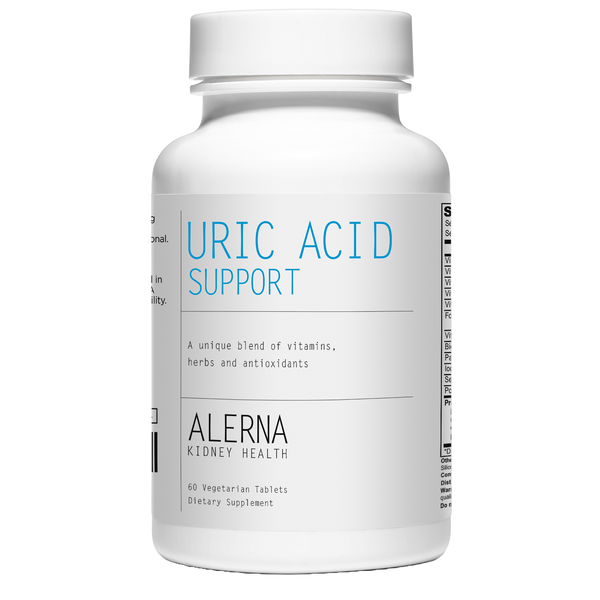
What Are Uric Acid Crystals?
Uric acid crystals are hard, needle-like deposits that form when uric acid builds up faster than the kidneys can clear it. Uric acid itself is a normal waste product, made when the body breaks down purines, compounds found in many foods and in the body's own cells. Problems start when levels climb too high, and the extra uric acid has nowhere to go.
Naturally Occurring Metabolic Byproducts
Every day, the body breaks down purines from food and from cells that wear out and get replaced. This creates uric acid as a natural waste product, which normally dissolves in the blood and passes out through urine. Most people process this waste product without any trouble, and their uric acid levels stay in a healthy range without them ever thinking about it.
Microscopic Formations in the Body
When uric acid levels stay high for too long, the extra acid can turn into tiny crystals. These crystals are too small to see with the naked eye, but they can gather in joints, kidneys, and other tissues over time. Left alone, these small formations can grow into larger clusters that lead to real problems, including gout attacks and kidney stones.

How Do These Crystals Form?
Uric acid crystals form when the blood holds more uric acid than it can keep dissolved. Once uric acid levels reach a certain threshold, the excess acid stops remaining liquid and starts turning solid. Two main factors drive this shift: how much uric acid is in the blood, and how acidic the urine is.
Elevated Blood Concentration Levels
High blood uric acid is the main reason uric acid crystals form in the first place. This can happen because the body produces too much uric acid, the kidneys do not clear it fast enough, or both. Diet, genetics, certain medications, and existing kidney problems can all push uric acid levels higher than normal.
Influences of Urine Acidity
The acidity of urine also affects whether uric acid remains dissolved or forms crystals. Uric acid dissolves more easily in urine that is less acidic, so a low urine pH makes crystal formation more likely. This is one reason doctors often check urine pH alongside blood tests when looking into uric acid stones.
How Do Gout Crystals Trigger Joint Discomfort?
Gout crystals cause joint pain by settling into joint fluid and triggering an immune response. The immune system treats these sharp, needle-shaped crystals like foreign invaders and sends white blood cells to attack them. This reaction causes the swelling, redness, and burning sensation people associate with a gout attack.
Monosodium Urate Deposition in Joints
Monosodium urate crystals are the specific type of crystal responsible for gout. These crystals tend to settle in cooler areas of the body, which is why the big toe is such a common target during a flare. Once monosodium urate crystals build up in the synovial fluid, they can trigger sudden, severe pain that often peaks within twelve to twenty-four hours.
Common Flare Triggers
Certain foods and habits raise the risk of a gout attack. Purine-rich foods, sugary beverages, and alcohol are some of the most common flare triggers, along with dehydration and sudden changes in medication. Family history also plays a role, since some people inherit a higher risk of gout flares regardless of diet.

What Complications Arise From Kidney Deposition?
Uric acid crystals in the kidneys can lead to uric acid stones and other kidney problems. When crystals accumulate in the urinary tract rather than in the joints, they can clump together and form larger stones over time. These stones can block urine flow and put extra strain on kidney function.
Mineral Formations in the Urinary Tract
Uric acid stones form when crystals stick together inside the kidneys or urinary tract. Unlike some other kidney stones, uric acid stones often form in more acidic urine, which ties back to the same pH issues that affect crystal formation elsewhere in the body. Over time, these formations can grow large enough to cause serious discomfort.
Urinary Flow Disruptions
Larger stones can block the normal flow of urine, leading to pain, swelling, and even infection. This blockage puts extra pressure on the kidneys and can affect how well they filter waste from the blood. People with a history of kidney stones face a higher risk of developing them again, especially without changes to diet and hydration.
Which Risk Factors Elevate Uric Acid Levels?
Several specific physiological variables and daily habits dramatically increase the likelihood of mineral accumulation:
Specific dietary and lifestyle choices, such as eating a lot of red meat, organ meats, or drinks sweetened with high fructose corn syrup
Medication-related metabolic changes, including nonsteroidal anti-inflammatory drugs and certain diuretics that affect how the kidneys handle uric acid
Underlying kidney and metabolic conditions, such as reduced kidney function, obesity, or diabetes
Genetic and demographic predispositions, including family history of gout or kidney stones, and being male or past menopause
PAIR URIC ACID AWARENESS WITH DAILY SUPPORT
Blood tests, urine checks, hydration, and lower-purine choices build a stronger routine. Add Alerna Uric Acid Support for convenient everyday wellness.
Add Daily Wellness SupportWhich Foods Contain High Purine Levels?
Certain foods push uric acid levels higher because they are naturally rich in purines. When the body breaks down these purine-rich foods, it produces more uric acid than usual, raising the risk of crystal formation. Alerna Kidney Health's educational resources can help you better understand how food choices affect uric acid levels over time.
Processed Meats and Seafood
Organ meats, processed meats, and certain types of seafood rank among the foods high in purines. Liver, kidney, and other organ meats are especially concentrated sources, along with anchovies, sardines, and shellfish. Red meat, in general, also contains more purines than most plant-based proteins.
Alcoholic Beverages
Alcohol, especially beer, can raise uric acid levels in two ways. It adds purines directly, and it makes it harder for the kidneys to clear uric acid from the blood. Sugary drinks made with high-fructose corn syrup carry a similar risk, since fructose increases the body's production of uric acid.
Lower-Purine Food Alternatives
Whole grains, most fruits and vegetables, and low-fat dairy are generally safer choices for people monitoring their uric acid levels. These foods provide nutrition without adding a heavy purine load, making it easier to stay in a healthy range. Swapping sugary beverages for water is one of the simplest changes that can make a real difference.

How Do Medical Providers Detect Acid Crystals?
Doctors rely on blood tests, urine analysis, and imaging tests to detect uric acid crystals. These tools help confirm whether high uric acid is behind a person's joint pain, kidney stones, or other symptoms. A full medical history also helps rule out conditions with similar symptoms.
Comprehensive Serum Testing
Blood tests measure how much uric acid is circulating at a given time. Elevated levels do not always mean a person has gout or kidney stones, but they do signal a higher risk. Doctors often repeat blood tests over time to track whether uric acid levels are rising, falling, or holding steady.
Urine pH and Laboratory Analysis
Urine tests check both the amount of uric acid passed and the acidity of the urine. This information helps doctors understand whether the kidneys are clearing uric acid properly and whether the urine environment favors crystal formation. Combined with blood tests, it paints a fuller picture of a person's risk.
Advanced Imaging and Joint Aspiration
When kidney stones are suspected, doctors often turn to imaging tests such as CT (computed tomography) scans to locate stones and measure their size. For joint pain, doctors may draw a small sample of joint fluid to look for crystals directly under a microscope. This step confirms whether gout crystals, rather than another condition, are causing the pain.
What Are the Primary Management Goals?
Managing high uric acid involves calming pain during a flare and preventing future buildup. Proper treatment usually combines short-term relief with longer-term changes to diet, medication, or both. The goal is to bring uric acid levels down and keep them there.
Reduction of Systemic Acid Levels
Lowering uric acid levels reduces the chances of new crystals forming in the joints or kidneys. Diet changes, weight management, and staying hydrated all support this goal. In some cases, doctors add medication to help the body clear uric acid more efficiently.
Acute Discomfort Control Strategies
During a gout attack, the priority is easing the severe pain and swelling in the affected joints. Rest, ice, and anti-inflammatory medication are common first steps. Most flares improve within a few days to a couple of weeks with proper treatment.
Ongoing Urate-Lowering Therapy
For people with repeated gout flares or high uric acid, doctors may prescribe medications aimed at lowering uric acid levels over the long term. These medications work by either reducing the body's production of uric acid or helping the kidneys remove more of it. Regular blood tests help doctors adjust the dose as needed.
How Can Individuals Prevent Future Accumulation?
Establishing a proactive daily routine involves balancing hydration and specific nutrient limits to minimize organ strain:
Sustainable lifestyle and dietary adjustments, like limiting purine-rich foods and choosing whole grains over processed options
Strict medication adherence strategies, including taking prescribed medications consistently rather than only during flare-ups
Routine laboratory monitoring schedules, such as regular blood tests to track uric acid levels and catch changes early

How Do Professionals Manage Acute Attacks?
Doctors manage acute gout attacks by quickly targeting pain and inflammation. The right combination of medication and rest can bring relief within days. Knowing when to seek urgent care also matters, especially if symptoms affect multiple joints at once.
Targeted Discomfort Relief Medications
Nonsteroidal anti-inflammatory drugs are often the first choice for calming pain and swelling during a gout attack. These medications work fast and are widely used for mild to moderate flares. Doctors may recommend other options if a person cannot take them due to kidney problems or other health conditions.
Short-Course Corticosteroid Protocols
For more severe pain, doctors sometimes prescribe a short course of corticosteroids. These medications reduce inflammation quickly and can bring real relief within a day or two. Because corticosteroids carry their own risks with long-term use, doctors typically limit these prescriptions to short periods during a flare.
Urgent Medical Evaluation Criteria
Certain symptoms call for prompt medical attention rather than waiting it out at home. Fever, redness spreading beyond one joint, or pain severe enough to prevent movement should prompt a visit to a doctor. These signs could point to infection or a more serious underlying condition.
What Options Exist for Managing Stones?
Managing uric acid stones depends on their size and the extent to which they affect kidney function. Small stones sometimes pass on their own with enough fluid intake, while larger stones may require medical procedures. Doctors weigh several options based on each person's situation.
Medical Urine Alkalinization
Making the urine less acidic can help dissolve small uric acid stones over time. Doctors may prescribe medication to raise urine pH, which helps uric acid remain dissolved rather than forming solid stones. This approach tends to work best on smaller stones caught early.
Hydration and Dissolution Therapy
Doctors often recommend patients drink plenty of water to help flush the urinary tract and support stone dissolution. Combined with medication, adequate hydration gives the body a better chance of breaking down stones naturally. This is usually the first approach tried before more invasive options.
Procedural Lithotripsy Referrals
When stones are too large to pass or dissolve, doctors may refer patients for shock wave lithotripsy. This procedure uses sound waves to break stones into smaller pieces that are easier to pass. It is a common, minimally invasive option for stones that do not respond to other treatments.

Are There Special Considerations for Certain Groups?
Some groups need adjusted care when managing uric acid crystals and kidney stones. Chronic kidney disease, pregnancy, and genetic background can all change how doctors approach treatment. A full medical history helps guide these decisions.
Adjustments for Chronic Kidney Disease
People with reduced kidney function often need modified treatment plans, since some medications used for high uric acid can worsen kidney problems further. Doctors may choose different medications or adjust doses carefully in these cases. Regular monitoring becomes even more important for this group.
Modifications for Pregnancy
Pregnant women require special caution with many medications used for high uric acid or gout, since some are not considered safe during pregnancy. Doctors typically favor safer pain management options and closely track kidney function throughout pregnancy. Any treatment plan should involve close coordination between a patient's doctors.
Genetic and Ethnic Predispositions
Family history and genetic background can affect how likely someone is to develop high uric acid or gout. Some ethnic groups carry a higher genetic risk, independent of diet or lifestyle. Knowing this personal and family history helps doctors assess risk earlier and recommend monitoring sooner.
TAKE CONTROL OF YOUR URIC ACID ROUTINE
Follow your provider’s guidance, monitor changes, and stay consistent. Make Alerna Uric Acid Support part of your proactive daily plan.
Shop Uric Acid SupportHow Will Better Urinary Health Begin Today?
High uric acid does not have to catch you off guard. Uric acid crystals form when the body makes more uric acid than the kidneys can clear, and left unchecked, they can lead to painful gout attacks or uric acid stones in the kidneys. Blood tests, urine analysis, and imaging tests give doctors the clearest picture of what is happening inside the body, so proper treatment can start early. Small daily habits, like drinking plenty of water, limiting purine-rich foods, and following your doctor's guidance on medications, all support healthier uric acid levels over time.
If you want a supplement as one part of that routine, Alerna's Uric Acid Support - 60 Vegetarian Tablets is made to complement those habits. Use it alongside steady hydration, a lower-purine diet, and your doctor's guidance, not in place of prescribed urate-lowering medication if you need it. Talk with your doctor about your uric acid levels today, and start building a routine that works for your body.
Frequently Asked Questions
What does uric acid look like in urine?
Uric acid crystals in urine often look like fine, sand-like grains or tiny needle-shaped particles, usually only visible under a microscope.
Can drinking water flush out uric acid crystals?
Drinking plenty of water supports kidney function and dilutes urine, which may lower the risk of new uric acid crystals forming, though it will not dissolve large existing stones on its own.
How long does it take to dissolve uric acid crystals?
Small uric acid stones can dissolve over several weeks to months with proper hydration and urine alkalinization, while larger stones often need medical treatment.
What are the first warning signs of high uric acid?
Early signs of high uric acid include sudden joint pain, swelling, redness, and a burning sensation, often starting in the big toe.
Does apple cider vinegar help with uric acid stones?
There is no strong scientific evidence that apple cider vinegar dissolves uric acid stones or lowers uric acid levels, so it should not replace medical treatment or advice from a doctor.
Medical Disclaimer:
The information provided in this article is for educational and informational purposes only and should not be considered a substitute for professional medical advice, diagnosis, or treatment. Please consult with your healthcare provider before starting any new dietary supplement, especially if you are pregnant, nursing, have a medical condition, or are taking other medications. Never disregard professional medical advice or delay in seeking it because of something you have read in this article.
References
Jin, M., Yang, F., Yang, I., Yin, Y., Luo, J. J., Wang, H., & Yang, X. F. (2012). Uric acid, hyperuricemia and vascular diseases. Frontiers in bioscience (Landmark edition), 17(2), 656–669. https://doi.org/10.2741/3950
Shimizu, T., Nishikawa, M., & Matsushige, H. (1989). The solubility of uric acid and monosodium urate in urine. In K. Mikanagi, K. Nishioka, & W. N. Kelley (Eds.), Purine and pyrimidine metabolism in man VI (Advances in Experimental Medicine and Biology, Vol. 253A, pp. 253–259). Springer. https://doi.org/10.1007/978-1-4684-5673-8_35
van Durme, C. M., Wechalekar, M. D., Buchbinder, R., Schlesinger, N., van der Heijde, D., & Landewé, R. B. (2014). Non-steroidal anti-inflammatory drugs for acute gout. The Cochrane database of systematic reviews, (9), CD010120. https://doi.org/10.1002/14651858.CD010120.pub2


