


Table of Contents
Kidney stone pain ranks among the worst pain a person can feel, and most people in the middle of it will try any position to make it stop. Here is the hard truth: no kidney stone pain relief position reliably eases severe renal colic, which is why sufferers often pace and shift without ever getting comfortable. Certain postures, gentle movement, and heat may soften the quieter moments, but real relief comes from medication and medical care.
Alerna Kidney Health explains what genuinely helps, what to skip, and when kidney stone pain means it is time to call a doctor.
SEEKING THE RIGHT POSITION FOR COMFORT?
While you explore ways to rest today, remember that long-term habits matter. Focus on your overall urinary health with our traditional herbal supplement, crafted to support your daily wellness routine.
Shop Chanca Piedra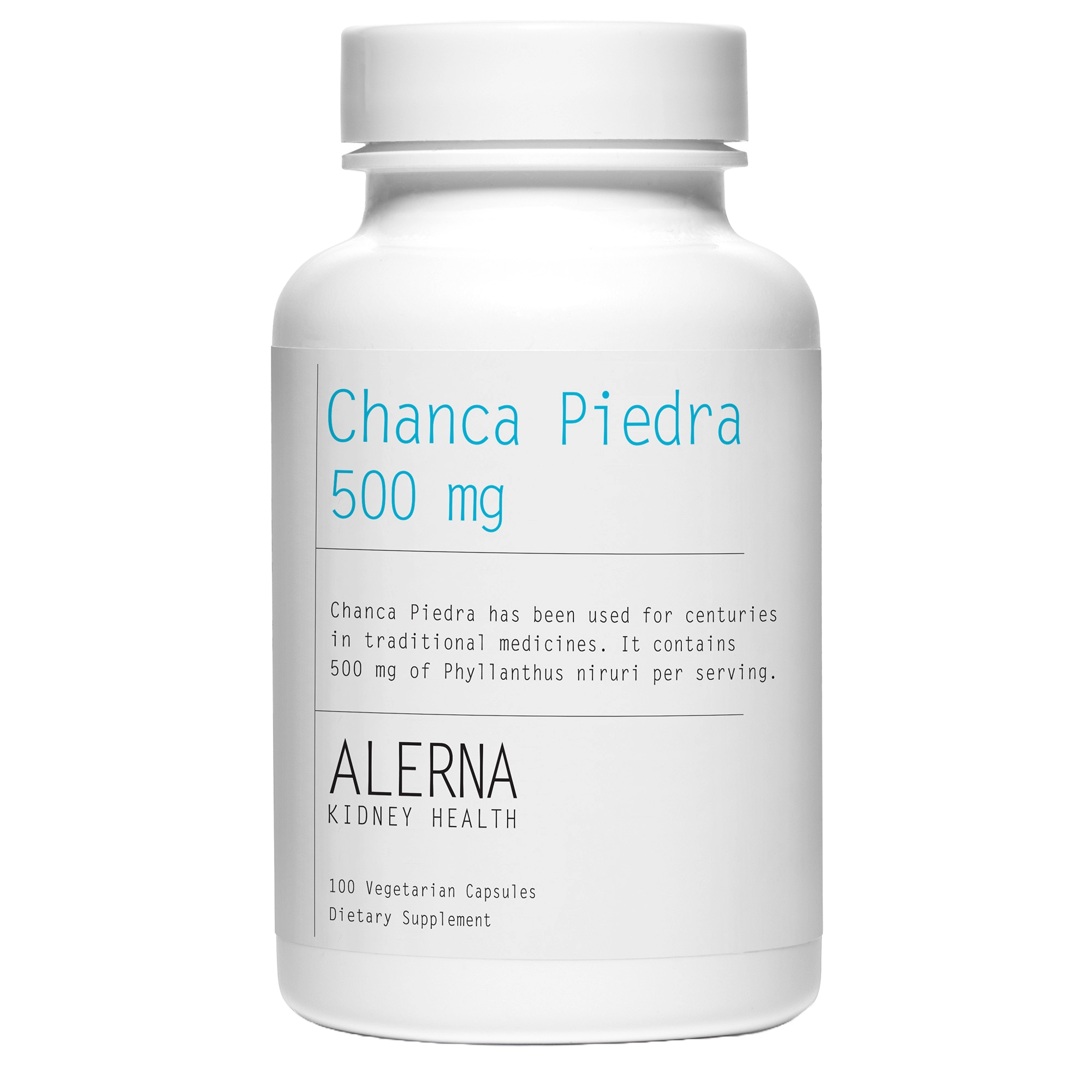
Why Do Positions Matter for Kidney Stone Pain?
Body position plays a smaller role in kidney stone pain than most people hope, since the pain comes from a stone blocking the ureter, not from how you sit or lie. Renal colic, the medical name for this pain, happens when the ureter spasms around a trapped stone. Posture can ease pressure or tension a little, but it cannot unblock the urinary tract.
Pressure on the Urinary Tract
Positioning can slightly shift pressure on the urinary tract, but it will not move a lodged stone. When a stone blocks urine flow, urine backs up and the kidney swells, which causes the intense pain of renal colic. Some people feel a bit better when they avoid postures that press on the lower abdomen. Even so, no position lowers the pressure enough to stop severe pain on its own.
Muscle Tension and Spasms
Relaxing your muscles may ease some of the cramping that comes with kidney stone pain. The ureter squeezes in waves as it tries to push the stone along, and tension in your back and belly can make that feel worse. Loosening up through calm breathing or a gentle change in position can take a small amount of the sharp pain away. It helps at the margins, not at the peak of an attack.
Impact on Breathing and Relaxation
Slow, steady breathing supports relaxation, which can make kidney stone pain feel a little more manageable. Panic and tense muscles tend to amplify pain, so staying as calm as possible matters. Deep breathing will not stop renal colic, but it can help you cope between waves. Pair it with prescribed pain relief for the best effect.

What Sleeping Positions Help With Kidney Stone Pain?
No sleeping position has been proven to relieve kidney stone pain, though some may feel more comfortable than others during a flare. Comfort is personal, so it is fine to try different setups to find what lets you rest. Keep your expectations realistic, since sleep is often hard with an active stone.
Side Sleep on the Non‑Affected Side
Sleeping on the side opposite your painful kidney is a common choice, though the evidence for it is thin. The idea is that keeping weight off the sore side feels less irritating for some people. It may improve comfort, but it will not speed up the passage of kidney stones or guarantee relief. A pillow between your knees helps keep your spine neutral.
Supported Back Sleep with Pillows
Lying on your back with pillows under your knees can ease strain on the lower back and abdomen. Keeping the knees bent relaxes the belly and may reduce pain for some people during calmer stretches. A pillow under the lower back adds support. This setup works best between waves, not at the peak of severe pain.
Positions to Avoid
There is no single position everyone must avoid, since kidney stone pain does not follow neat rules. Some people find the fetal position, curled tight with knees to the chest, makes the pressure feel worse, while others find it soothing. Listen to your body and move away from anything that sharpens the pain. If nothing brings relief, that is expected with renal colic and a sign to lean on medicine instead.
BEYOND POSTURE AND GENTLE MOVEMENT.
Adjusting how you sit or sleep is only one part of the equation. Support your body’s natural balance and maintain your kidney health by adding our plant-based Chanca Piedra to your everyday lifestyle.
Support Urinary WellnessWhat Sitting Positions Provide Kidney Stone Pain Relief?
Sitting comfortably will not cure kidney stone pain, but good posture helps prevent back and abdominal strain. Adjusting how you sit can reduce pressure and improve comfort during painful episodes:
Upright sitting with lumbar support
Reclined sitting with a cushion behind the lower back
Avoiding slouched posture that compresses the abdomen
Using ergonomic chairs for longer sitting periods
These tweaks offer minor, temporary comfort. They are worth trying while you wait for pain medicine to kick in or for a doctor’s appointment, not as a replacement for either.
How Can Movement Positions Ease Kidney Stone Pain?
Gentle movement often feels better than lying still during kidney stone pain, which is why many people pace during an attack. Light activity may also help small stones travel through the urinary tract. Move within your comfort level, and stop if the pain spikes.
Gentle Stretching for Relaxation
Easy stretching can loosen tight back and hip muscles that tense up during kidney stone pain. Slow, careful movements help you relax and may ease some of the cramping around the ureter. Skip deep or forceful stretches, which can strain an already sore area. The goal is release, not a workout.
Walking for Improved Flow
Walking gently may help small stones move through the urinary tract and pass more easily. Staying upright keeps things moving better than lying flat for long stretches. Drink water while you walk to support urine flow and help stones pass. Short, slow walks are enough, since overdoing it can worsen the pain.
Supported Yoga Poses
A few gentle, supported yoga poses may aid relaxation, but they will not relieve severe kidney stone pain. Calming poses like child’s pose or a supported reclining position help you breathe and stay loose between waves. Avoid any pose that twists or presses hard on your abdomen. Treat yoga as a comfort tool, not a treatment for stones.

What Supportive Tools Improve Kidney Stone Pain Relief Positions?
Supportive tools can make resting easier during kidney stone pain, and one of them, heat, has real backing. Simple accessories can make pain-relief positions more effective:
Pillows for back and side support
Heating pads for localized comfort
Cushions for ergonomic sitting
Adjustable beds or recliners for flexible posture
A heating pad on your back or lower abdomen is the standout here, since local heat can relax muscles and take the edge off the ache. Keep the heat warm, not hot, and never use it as a reason to ignore pain that keeps building.
When Should You Seek Medical Help Despite Position Changes?
You should seek medical help any time kidney stone pain turns severe, will not ease, or comes with fever, since these can signal an emergency. Positions and heat are comfort measures only; a blocked or infected stone requires real treatment. Do not wait it out when the warning signs below appear.
Severe Pain That Doesn’t Ease
Severe pain that no position or heating pad touches is a clear sign to get medical care. Intense pain caused by a stuck stone often needs prescription pain relief, and sometimes alpha blockers to help the stone pass. Larger stones may require medical intervention, such as extracorporeal shock wave lithotripsy, a procedure that breaks stones into smaller pieces. Call a healthcare provider or head to urgent care if the pain is unbearable.
Fever or Signs of Infection
A fever with kidney stone pain is a medical emergency that requires immediate care. Vomiting, fever, chills, or cloudy urine can mean an infection has set in behind a blocked stone, which turns serious fast. This combination can spread into a dangerous whole-body infection if ignored. Get to an emergency room the same day.
Inability to Pass Urine
Trouble passing urine along with kidney stone pain calls for immediate medical attention. Difficulty urinating can mean a stone is fully blocking urine flow, which raises pressure on the kidney and can cause damage. Blood in the urine, nausea, and a swollen feeling in the side are related warning signs. A doctor may order urine tests, a CT scan, or other imaging tests to locate the stone and plan treatment.
READY TO BUILD A DAILY ROUTINE?
Once you're feeling more like yourself and out of bed, focus on ongoing maintenance. Incorporate our 100 vegetarian capsules into your regimen to help support and maintain lasting kidney wellness.
Add To Your RoutineWill You Try These Kidney Stone Pain Relief Positions?
The honest answer about a kidney stone pain-relief position is that no single posture reliably stops severe renal colic. However, heat, gentle movement, and a comfortable position can ease the quieter moments. Real relief comes from medication, adequate hydration, and prompt care when a stone blocks the urinary tract.
Once you're through this episode, the goal shifts to keeping the next stone from forming. Staying hydrated and knowing your risk factors matter most. As part of that longer-term routine, Alerna's Chanca Piedra - 100 Vegetarian Capsules is a traditional herbal option some people use to support kidney and urinary health. It is not a treatment for an active stone or the pain it causes, so when pain turns severe or brings a fever, skip the guesswork and get medical help right away.
Frequently Asked Questions
What is the best sleeping position for kidney stone pain relief?
No sleeping position has been proven to relieve kidney stone pain, but resting on the side opposite the sore kidney, with a pillow between the knees, feels most comfortable for many people.
Can sitting upright help with kidney stone pain?
Sitting upright with good back support may reduce added strain, though it offers only mild comfort and cannot ease severe kidney stone pain on its own.
Do certain yoga poses relieve kidney stone pain?
Gentle yoga poses may aid relaxation between waves of pain, but they do not relieve severe kidney stone pain or help a stone pass.
Is lying on the stomach good for kidney stone pain?
Lying on the stomach often feels uncomfortable because it presses on the abdomen, so most people find other positions work better for kidney stone pain.
How long should I stay in one position for relief?
There is no set time, so shift whenever you get uncomfortable, since people with kidney stone pain rarely stay still for long.
Medical Disclaimer:
The information provided in this article is for educational and informational purposes only and should not be considered a substitute for professional medical advice, diagnosis, or treatment. Please consult with your healthcare provider before starting any new dietary supplement, especially if you are pregnant, nursing, have a medical condition, or are taking other medications. Never disregard professional medical advice or delay in seeking it because of something you have read in this article.
References
ass A. S. (1995). Extracorporeal shock wave lithotripsy for renal stones with renal cysts present. The Journal of urology, 153(3 Pt 1), 599–601. https://doi.org/10.1097/00005392-199503000-00009
Kang, J. H., Lee, S. W., Moon, S. H., Sung, H. H., Choo, S. H., & Han, D. H. (2013). Relationship Between Patient Position and Pain Severity During Shock Wave Lithotripsy for Renal Stones With the MODULITH SLX-F2 Lithotripter: A Matched Case-Control Study. Korean journal of urology, 54(8), 531–535. https://doi.org/10.4111/kju.2013.54.8.531
Pandey, R. K., Arya, T. V., Kumar, A., & Yadav, A. (2017). Effects of 6 months yoga program on renal functions and quality of life in patients suffering from chronic kidney disease. International journal of yoga, 10(1), 3–8. https://doi.org/10.4103/0973-6131.186158


