


Table of Contents
A kidney stone can turn an ordinary day into hours of gripping, wave-like pain that makes it hard to sit, sleep, or think. Fast kidney stone pain relief usually comes from a mix of the right medicine, heat, and fluids, not from toughing it out. Home steps can ease discomfort while a small stone passes, but severe pain and certain warning signs mean it is time to see a doctor.
Alerna Kidney Health walks through what quickly eases pain, what helps stones move, and how to lower your risk of the next one.
PLAN BEYOND THE CURRENT KIDNEY STONE
Pain relief comes first. After the episode, Alerna Potassium Citrate can support normal urine pH and a provider-approved kidney wellness routine.
Explore Potassium Citrate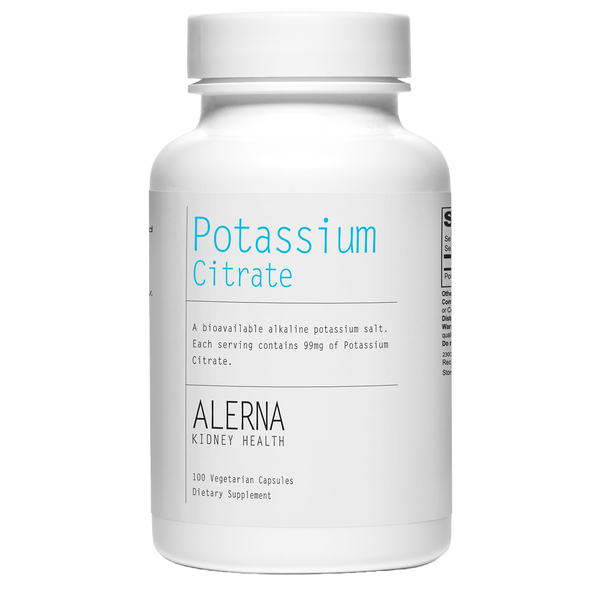
What Causes Kidney Stone Pain?
Kidney stone pain happens when a stone blocks the flow of urine, and the urinary tract reacts. The pain, known as renal colic, comes in waves as the body tries to move the stone along. Three main things drive the discomfort.
Pressure on the Urinary Tract
Pressure builds when a stone blocks the flow of urine in the urinary tract. Urine backs up behind the stone, and the kidney swells, causing intense pain from the stretching of sensitive tissue. This pressure often shows up as a deep, aching pain in the side or lower abdomen. It eases once the stone moves or passes.
Muscle Spasms in the Ureter
The ureter, the narrow tube between the kidney and bladder, spasms as it tries to push a stone through. These squeezing waves cause the sharp pain that comes and goes with kidney stones. Larger stones create more resistance, so the spasms and pain can feel stronger. Small stones may move with less struggle.
Inflammation Around the Stone
Inflammation forms as a stone scrapes and irritates the lining of the urinary tract. This swelling adds to the pain and can put blood in the urine. Stones with rough, jagged edges tend to irritate more than smooth ones. That irritation is one reason kidney stone pain can feel so raw.

How Can You Relieve Kidney Stone Pain Fast?
The fastest kidney stone pain relief comes from pain medicine, backed up by heat and steady fluids. Home measures take the edge off while you wait for medicine to work or for a stone to pass. Here are the options that help most.
Heat Therapy for Comfort
A heating pad is one of the simplest ways to relieve kidney stone pain at home. Applying warmth to your back or lower abdomen relaxes tense muscles and can increase blood flow to the sore area, which eases the ache. Keep the heat warm rather than hot to protect your skin. Heat works well between doses of pain medicine.
Hydration for Gentle Flushing
Drinking plenty of water helps flush small stones through the urinary tract and may shorten the duration of pain. Adequate fluid intake keeps urine diluted, which supports the stone’s passage out of the body. Aim to drink water steadily rather than gulping a lot at once. Skip this only if a doctor has told you to limit fluids for another reason.
Over‑the‑Counter Pain Options
Over-the-counter medications like ibuprofen often provide strong relief for kidney stone pain. These nonsteroidal anti-inflammatory drugs (NSAIDs) target inflammation and pain control at the source, which is why doctors often suggest them first.
Acetaminophen is an option if you cannot take NSAIDs. People with kidney problems should ask a doctor before using NSAIDs, since these can strain the kidneys, and severe pain may call for prescription medications or an alpha blocker to help the stone pass.
What Sleeping Positions Help With Kidney Stone Pain?
No sleeping position reliably relieves kidney stone pain, since the pain comes from inside the urinary tract, not from how you lie. Still, some setups feel more comfortable and may help you rest between waves. Comfort is personal, so try what works for you.
Side Sleep on the Non‑Affected Side
Sleeping on the side opposite your sore kidney is a common choice, though the evidence for it is limited. Keeping weight off the painful side simply feels better for many people. A pillow between the knees keeps the spine aligned. This may improve comfort, but it will not make stones pass faster.
Supported Back Sleep with Pillows
Lying on your back with a pillow under the knees can ease strain on the lower back and abdomen. Bending the knees relaxes the belly, which may reduce pain during calmer moments. Add a pillow under the lower back for extra support. Save this for the gaps between strong waves of pain.
Positions to Avoid
No single position is off-limits, since kidney stone pain does not follow strict rules. Some people feel worse curled up tightly or lying flat on their stomachs, while others do not mind it. Move away from any position that sharpens the pain. If nothing helps, that is normal for renal colic and a cue to lean on medicine.

What Lifestyle Habits Support Kidney Stone Pain Relief?
Daily habits do more to prevent the next stone than to stop pain in the moment. Small daily changes can make a big difference in comfort and prevention:
Drink water consistently throughout the day
Limit excess salt and processed foods
Add more fruits and vegetables for hydration
Stay active with gentle movement
Practice stress-relief techniques like meditation
These steps support kidney health and lower your risk of kidney stones over time. They matter most after a stone passes, when the goal shifts to preventing recurrent stones.
How Does Diet Affect Kidney Stone Pain Relief?
Diet shapes kidney stones more through prevention than through fast pain relief. What you eat and drink changes the chemistry in your urine that either encourages or blocks stone formation. A few diet habits stand out for cutting your risk.
Balanced Hydration and Electrolytes
Staying well hydrated is the single most important diet habit for preventing kidney stones. Diluted urine makes it harder for minerals such as calcium oxalate and uric acid to form stones. Citric acid from lemons and limes may help too, since citrate blocks calcium stones from forming. A squeeze of lemon in your water is a simple boost.
Foods That May Trigger Stones
Some foods raise the risk of stones for people who are prone to them. Too much animal protein can raise uric acid and lower citrate, which can feed uric acid and calcium stones. High-salt and high-oxalate foods can also drive stone formation in certain people. Cutting back on those, rather than on healthy dietary calcium, is the smarter move.
Nutrients That Support Kidney Health
Getting enough dietary calcium from food actually helps protect against calcium oxalate stones. Calcium binds oxalate in the gut so less reaches the urine, which is why low-calcium diets can backfire. Magnesium and potassium from fruits and vegetables also support kidney health. A balanced diet beats cutting out whole food groups.
PAIR HYDRATION WITH CITRATE SUPPORT
Hydration and balanced meals support long-term kidney wellness. When recommended by your provider, add Alerna Potassium Citrate to your routine.
Add Citrate SupportWhen Should You Seek Medical Help for Kidney Stone Pain?
You should seek medical help when kidney stone pain is severe, comes with fever, or blocks your ability to urinate. Home remedies work for small stones, but larger ones and infections require medical care. Watch for these warning signs.
Severe Pain That Doesn’t Ease
Severe pain that no medicine or heat can calm is a clear reason to get medical help. Intense pain often means a larger stone is stuck and may require medical intervention. A doctor can diagnose kidney stones with a physical exam, blood tests, and imaging tests like a CT scan. Treatment options range from medications to procedures such as extracorporeal shock wave lithotripsy, which breaks stones.
Fever or Signs of Infection
A fever with kidney stone pain is a medical emergency that requires immediate care. Vomiting, fever, chills, or cloudy urine can signal an infection trapped behind a blocked stone, which can spread quickly. Doctors use urine and blood tests to detect infections. Do not wait this one out, since a kidney infection can turn dangerous fast.
Inability to Pass Urine
Trouble passing urine along with kidney stone pain needs immediate attention. Difficulty urinating can mean a stone is fully blocking urine flow, which raises pressure and can harm the kidney. A stone that will not move on its own may need a procedure, sometimes through a narrow tube or a tiny incision. Nausea and vomiting alongside these signs make care even more urgent.

Can Supplements Help With Kidney Stone Pain Relief?
Supplements do not relieve sudden kidney stone pain, but a few may support kidney health and help prevent certain stones over time. Talk with a doctor before starting any of them, since some interact with medications or are better prescribed. Here is what the evidence shows.
Potassium Citrate for Support
Potassium citrate is used mainly to help prevent recurrent calcium and uric acid stones, not to relieve pain. It raises citrate in the urine, which blocks minerals from forming new stones. Doctors often prescribe it for people with low urine citrate or recurrent stones. Treat it as a long-term prevention tool rather than a quick fix.
Magnesium for Muscle Relaxation
Magnesium is sometimes studied for kidney stone prevention, though the evidence is limited and mixed. It may lower the risk of calcium oxalate stones by binding oxalate, often paired with citrate. There is little proof that magnesium relaxes muscles enough to ease stone pain, so keep expectations modest. Food sources like leafy greens and nuts are a safe way to get it.
Targeted Kidney Health Formulas
Targeted kidney health formulas combine ingredients meant to support normal urinary function, but none can relieve stone pain or dissolve stones. Quality and ingredients vary widely, and the Food and Drug Administration (FDA) does not evaluate supplements the way it evaluates medicine
.
Look for third-party testing, and check with a doctor first, especially if you have kidney problems or take other medications. A supplement supports habits; it does not replace treatment.
What Are Safe Home Remedies for Kidney Stone Pain Relief?
A few safe home remedies can add comfort while a small stone passes, though none replace medicine for severe pain. Simple home remedies can provide comfort during painful episodes:
Warm compresses
Gentle stretching
Herbal teas for hydration
A warm compress on the lower back gives the same soothing effect as a heating pad. Herbal teas count toward your fluids, but plain water is still the best choice for helping stones pass. Stop any remedy that makes the pain worse, and call a doctor.
TAKE YOUR NEXT KIDNEY WELLNESS STEP
Once the stone episode has passed, keep hydration and follow-up consistent. Ask your provider whether Alerna Potassium Citrate fits your daily plan.
Shop Potassium CitrateWill You Take Action for Kidney Stone Pain Relief?
Kidney stone pain relief works best as a layered plan: reach for heat and over-the-counter medications for fast comfort, drink water to help small stones pass, and rest in whatever position feels easiest.
Diet and hydration do the heavy lifting for preventing recurrent stones, and as the article covered, potassium citrate is one of the tools that supports that long-term goal by raising urine citrate. If your doctor thinks it fits your situation, Alerna's Potassium Citrate - 100 Vegetarian Capsules offers an over-the-counter option that supports electrolyte balance and normal urine pH. Keep it in the prevention column, though: no supplement relieves sudden stone pain or dissolves an active stone, so rely on medicine and a doctor when pain turns severe or a fever appears.
Take one step today to ease the pain and protect your kidney health for the road ahead.
Frequently Asked Questions
What is the fastest way to relieve kidney stone pain?
The fastest relief from kidney stone pain usually comes from an over-the-counter NSAID like ibuprofen, paired with a heating pad and plenty of water.
How long does kidney stone pain usually last?
Kidney stone pain often comes in waves and can last from a few days to a few weeks, depending on the stone's size and location.
Can kidney stone pain go away on its own?
Yes, most small kidney stones pass on their own within a few weeks, though larger stones may need medical treatment.
Which drinks help relieve kidney stone pain?
Water is best for helping stones pass, and lemon water adds citric acid that may help prevent new stones from forming.
Is kidney stone pain worse at night?
Kidney stone pain can feel worse at night, when there are fewer distractions and lying still makes the ache harder to ignore.
Medical Disclaimer:
The information provided in this article is for educational and informational purposes only and should not be considered a substitute for professional medical advice, diagnosis, or treatment. Please consult with your healthcare provider before starting any new dietary supplement, especially if you are pregnant, nursing, have a medical condition, or are taking other medications. Never disregard professional medical advice or delay in seeking it because of something you have read in this article.
References
Bao, Y., & Wei, Q. (2012). Water for preventing urinary stones. The Cochrane database of systematic reviews, (6), CD004292. https://doi.org/10.1002/14651858.CD004292.pub3
Coello, I., Sanchis, P., Pieras, E. C., & Grases, F. (2023). Diet in Different Calcium Oxalate Kidney Stones. Nutrients, 15(11), 2607. https://doi.org/10.3390/nu15112607
Ferraro, P. M., Bargagli, M., Trinchieri, A., & Gambaro, G. (2020). Risk of Kidney Stones: Influence of Dietary Factors, Dietary Patterns, and Vegetarian-Vegan Diets. Nutrients, 12(3), 779. https://doi.org/10.3390/nu12030779
Kanchanasurakit, S., Arsu, A., Siriplabpla, W., Duangjai, A., & Saokaew, S. (2020). Acetaminophen use and risk of renal impairment: A systematic review and meta-analysis. Kidney research and clinical practice, 39(1), 81–92. https://doi.org/10.23876/j.krcp.19.106


