


Table of Contents
Back pain is normal in pregnancy. Pain that grabs your side, comes in waves, and doubles you over is not. Kidney stones are uncommon in pregnancy, but they show up more often in the second and third trimesters, and many pass without a procedure. If you're searching for how to get rid of kidney stones while pregnant, start with one rule: don't self-treat.
Alerna Kidney Health shares plain-language kidney guides to help you know what to ask and when to call. Your obstetrician (OB) should guide every step, from the first test to the last stone fragment.
PUT YOUR WELLNESS FIRST, NOW AND BEYOND PREGNANCY
Pregnancy brings plenty of changes, and knowing what belongs in your wellness routine matters. Follow your OB's guidance today and start planning for your long-term well-being. Alerna's Tart Cherry offers plant-based antioxidant support for everyday adult wellness. After delivery, ask your healthcare provider if it fits your routine, especially if you are breastfeeding.
Discover Alerna's Tart Cherry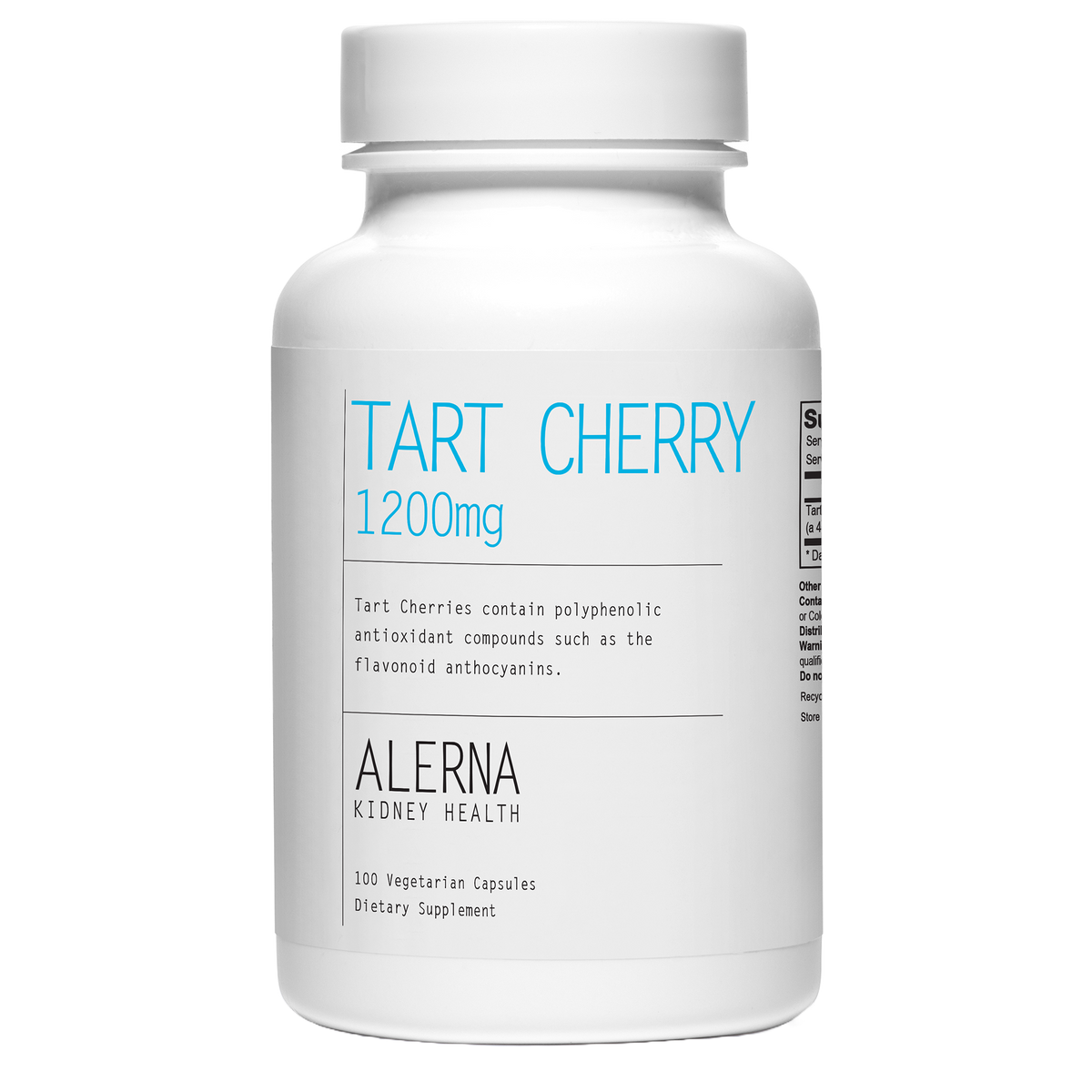
Why Do Kidney Stones Form during Pregnancy?
Kidney stones form when minerals in urine form crystals that clump together, and pregnancy changes how the kidneys and urinary tract handle those minerals. Two of those changes make stone formation a bit more likely, especially later in pregnancy. Other risk factors include a past stone, dehydration from morning sickness, and urinary tract infections.
Hormones That Slow Urine Flow
Progesterone, a pregnancy hormone, relaxes the ureters, the thin tubes that carry urine from each kidney to the bladder. The growing uterus also presses on them. Slower urine flow gives crystals more time to grow into stones.
Extra Calcium in the Urine
The kidneys filter more blood during pregnancy, and more calcium ends up in the urine. That shift helps explain why calcium phosphate stones are more common in pregnancy than at other times, although calcium oxalate stones are still the most common type overall. Other types include uric acid stones, struvite stones that form after infections, and rare cystine stones, which run in families and may call for genetic testing.
What Are Kidney Stone Symptoms in Pregnancy?
Kidney stone symptoms can look a lot like labor, a urinary tract infection (UTI), or normal pregnancy aches, which makes them easy to miss.
Common kidney stone symptoms include:
Sharp pain in the side or back that comes in waves
Pain that spreads to the lower belly or groin
Pink, red, or brown urine
Burning or frequent urination
Nausea or vomiting
Fever or chills, which can signal infection
Call your OB right away, or go to labor and delivery or the emergency room (ER), for fever, chills, contractions, vomiting that won't stop, or severe pain you can't control. A stone with an infection is an emergency.

How Do Doctors Check for a Stone?
Doctors start with tests that don't use radiation. To diagnose kidney stones in pregnancy, they combine a physical exam, urine and blood tests, and imaging tests chosen to protect the baby.
Ultrasound First
An ultrasound uses sound waves to show swelling or a blockage, and it's safe during pregnancy. A urine test checks for blood and infection, while blood tests show how well your kidneys are working. Some kidney swelling is normal in pregnancy, especially on the right side, so results need context.
MRI or Low-Dose CT as a Backup
If the ultrasound is unclear, doctors may use magnetic resonance imaging (MRI) without contrast dye. Low-dose computed tomography (CT) scans are used only when the benefit outweighs the small risk. Imaging can also check other nearby organs, such as the appendix, since appendicitis can feel similar.
How Can You Pass a Kidney Stone Safely?
Many stones pass without a procedure, especially small ones. Treatment for a kidney stone depends on its size, where it sits, and whether infection is present. The goal is to keep you comfortable, hydrated, and free of infection while the stone moves.
Small Kidney Stones That Pass Naturally
Small kidney stones, under about 5 millimeters (mm), usually pass without help, while large kidney stones are less likely to. Most small stones pass within a few days to a few weeks, and your doctor will track progress with follow-up checks.
Outside pregnancy, doctors often prescribe medication called an alpha blocker to relax the ureter so stones pass more easily. Its safety in pregnancy hasn't been well studied, so your OB will decide whether it makes sense for you.
Water and IV Fluids
Drink plenty of water through the day to keep urine flowing. If vomiting keeps fluids from staying down, you may need intravenous (IV) fluids in the hospital.
Acetaminophen as the First Choice
To manage pain, the American College of Obstetricians and Gynecologists (ACOG) and the Society for Maternal-Fetal Medicine (SMFM) still recommend acetaminophen as the first-choice over the counter pain reliever in pregnancy, used only when needed, at the lowest dose that works, for the shortest time. The U.S. Food and Drug Administration (FDA) began a label update in 2025 about a possible link to autism and ADHD, while noting that cause and effect hasn’t been shown, so talk with your OB before taking it.
NSAIDs and Stronger Pain Relievers
Nonsteroidal anti-inflammatory drugs (NSAIDs) like ibuprofen are generally avoided, especially from 20 weeks on, because they can affect the baby’s kidneys and lower the amount of amniotic fluid. Stronger pain relievers, such as opioids, are used only short term under medical care.
Straining Urine to Catch the Stone
Your doctor may give you a strainer to catch the stone when it passes. A lab can check its chemical makeup to show the type of kidney stone, which shapes your treatment plan after delivery.
BUILD HEALTHIER HABITS FOR YOUR NEXT CHAPTER
Good nutrition, consistent hydration, and informed supplement choices can form the foundation of your everyday wellness routine. When planning for life after pregnancy, explore Alerna's Tart Cherry, a botanical supplement formulated for daily antioxidant support. Review the ingredients with your healthcare provider before adding it to your post-pregnancy routine, particularly if you are breastfeeding.
Explore Daily Antioxidant SupportWhat If the Stone Won't Pass?
Doctors step in when pain won't ease, infection sets in, or urine can't drain, since a long blockage can cause kidney damage. Shock wave lithotripsy, also called extracorporeal shock wave lithotripsy (ESWL), uses shock waves to break stones apart, but it isn't used during pregnancy. Percutaneous nephrolithotomy, which removes large stones through a small incision in the back under general anesthesia, is usually put off until after delivery.
A Stent or Drainage Tube
A ureteral stent is a thin tube a doctor inserts through the bladder into the ureter so urine can drain until after delivery. A nephrostomy tube does the same job through the back. Many people feel less pain once urine flows again, though stents may need changing during pregnancy.
Ureteroscopy to Remove It
Ureteroscopy uses a thin scope passed through the bladder to grab the stone or break it up with a laser, and the small stone fragments pass in the urine. It's often an outpatient procedure and is considered safe in pregnancy at experienced centers.

Can You Prevent Kidney Stones during Pregnancy?
No habit guarantees a stone-free pregnancy, but a few steps may help lower the risk. People with kidney stones learn quickly that one kidney stone raises the chance of more kidney stones later, so these habits matter after delivery too.
Steady Fluids All Day
Drinking enough fluids is the simplest habit that may help prevent kidney stones, since dehydration raises kidney stone risk and diluted urine makes it harder for minerals to clump. Aim for pale yellow urine and sip through the day, and ask your OB for a daily target. Lemonade made from real lemons adds citric acid, which may help keep calcium from forming stones. If nausea makes drinking hard, tell your OB.
Diet Tips for Calcium Oxalate Stones
Calcium oxalate stones are the most common type overall, and these food habits may help lower the risk:
Get calcium from eating foods like milk, yogurt, and cheese, and don't cut back unless your doctor says so.
Pair high-oxalate foods, like spinach and nuts, with calcium-rich foods.
Go easy on salty and processed foods.
Keep animal protein, such as red meat, at moderate amounts, since too much can raise uric acid and calcium in urine.
Skip extra vitamin C supplements beyond your prenatal vitamin unless prescribed.
Check with your OB before taking any herbal product or supplement, including herbal stone remedies.
A Prevention Plan after Delivery
The National Kidney Foundation points out that a diet too low in calcium can actually raise the risk of calcium oxalate stones. Repeated stones are also linked to other health problems, including chronic kidney disease and, rarely, kidney failure. After delivery, ask your healthcare professional about a 24-hour urine test, which shows what helps prevent stones in your case and guides a plan to prevent future kidney stones.
YOUR WELLNESS DESERVES ATTENTION AFTER PREGNANCY, TOO
Taking care of yourself deserves a place on your daily to-do list. After delivery, make time for regular checkups, nutritious meals, hydration, and thoughtful supplement choices. Alerna's Tart Cherry provides plant-based antioxidant support in convenient vegetarian capsules. Once your healthcare provider confirms it is appropriate for you, including if you are breastfeeding, make it part of your proactive daily wellness routine.
Shop Tart Cherry for Future WellnessIs It Pregnancy Pain or a Stone?
Kidney stones during pregnancy are painful but usually manageable with fluids, pregnancy-safe pain relief, close monitoring, and a procedure only when needed. Don’t guess, and don’t start any new supplement while pregnant without your OB’s OK.
After delivery, if you want daily antioxidant support, ask your doctor whether Alerna’s Tart Cherry, made with tart cherry extract, fits your routine. Call your OB today if side pain comes in waves or your urine looks pink, and go in right away for fever or contractions.
Frequently Asked Questions
Can a kidney stone hurt the baby?
A kidney stone itself rarely harms the baby directly, but infection, severe pain, and preterm labor are real risks, which is why prompt care matters.
Can you pass a kidney stone while pregnant?
Many kidney stones treated with fluids, rest, and OB-approved pain relief pass without a procedure, while large stones or infections may need one.
What pain medicine is safe for kidney stones during pregnancy?
ACOG and SMFM recommend acetaminophen as the first choice when needed, while NSAIDs like ibuprofen are generally avoided, especially after 20 weeks, so ask your OB before taking anything.
Is a CT scan safe during pregnancy?
Doctors try ultrasound and MRI first, and a low-dose CT scan is used only when other tests don't give an answer, since the radiation dose is low but not zero.
How long does it take to pass a kidney stone?
Small stones often pass within a few days to a few weeks, though during pregnancy doctors may step in sooner if a stone stalls or symptoms get worse.
Medical Disclaimer:
The information provided in this article is for educational and informational purposes only and should not be considered a substitute for professional medical advice, diagnosis, or treatment. Please consult with your healthcare provider before starting any new dietary supplement, especially if you are pregnant, nursing, have a medical condition, or are taking other medications. Never disregard professional medical advice or delay in seeking it because of something you have read in this article.
References
American College of Obstetricians and Gynecologists. (2025, September). Acetaminophen use in pregnancy and neurodevelopmental outcomes [Practice advisory]. https://www.acog.org/clinical/clinical-guidance/practice-advisory/articles/2025/09/acetaminophen-use-in-pregnancy-and-neurodevelopmental-outcomes
National Kidney Foundation. (2025, September 2). Calcium kidney stones. https://www.kidney.org/kidney-topics/calcium-kidney-stones
U.S. Food and Drug Administration. (2025, September 22). FDA responds to evidence of possible association between autism and acetaminophen use during pregnancy [Press release]. https://www.fda.gov/news-events/press-announcements/fda-responds-evidence-possible-association-between-autism-and-acetaminophen-use-during-pregnancy


