


Table of Contents
That familiar burning feeling after sex has an annoying way of ruining a good night, and for many people it shows up again and again. Learning how to prevent a urinary tract infection (UTI) can save you real pain, repeat doctor visits, and rounds of antibiotics. The good news is that a few simple habits carry most of the weight.
Alerna Kidney Health lays out the steps that actually work, so you can protect your urinary health with confidence instead of guesswork.
MAKE POST-SEX URINARY WELLNESS A HABIT
Recurring urinary concerns after sex can make intimacy stressful. Pair simple habits with Alerna D-Mannose for convenient daily urinary tract support.
Explore D-Mannose Support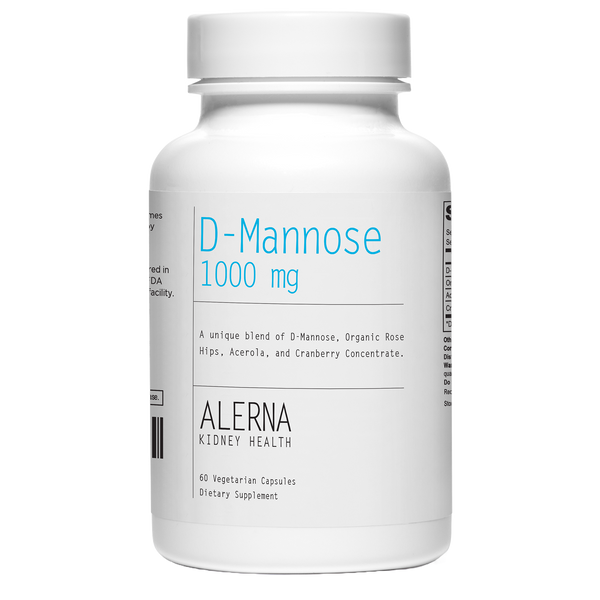
Why Do UTIs Happen After Sex?
UTIs happen after sex because the activity can push bacteria toward the urethra, the tube that carries urine out of the body. Women get them more often since the urethra sits close to the vagina and rectum. A few things during and after sex tip the odds.
Bacteria Entering the Urinary Tract
Sex can move bacteria from the genital area and anal region into the urinary tract. Most UTIs begin when E. coli from the rectum enters the urethra and travels to the bladder. Friction during sexual intercourse makes it easier for these organisms to shift toward the opening. That is why many urinary tract infections show up within a day of sexual activity.
Irritation of Sensitive Tissue
Sex can irritate the sensitive tissue around the urethra and bladder area. That same tissue becomes more vulnerable when it is dry or inflamed, which allows harmful bacteria to take hold. Using spermicidal jelly or a diaphragm increases the risk, since spermicide disrupts the beneficial bacteria that normally protect you. Switching methods is worth a talk with your healthcare provider if UTIs keep coming back.
Reduced Natural Defense
The body’s natural defenses can dip for a few reasons, which raises UTI risk after sex. Postmenopausal women often face this because lower estrogen levels thin the tissue and reduce protective bacteria. For recurring cases tied to menopause, doctors may suggest vaginal estrogen, which has strong evidence for reducing UTI recurrence. New sexual partners and frequent sexual intercourse can also shift the balance of bacteria.

What Hygiene Habits Prevent UTIs?
Good hygiene lowers the risk of UTIs by keeping bacteria away from the urethra. Practicing simple hygiene steps can lower the risk of bacteria entering the urinary tract:
Urinate shortly after sex to flush bacteria
Wash the genital area gently with warm water
Avoid harsh soaps or scented products
Change out of damp clothing quickly
Wipe front to back after using the bathroom
Peeing within about 30 minutes of sex is the step most experts point to first, since it helps clear bacteria from the urethra before they settle in. Skip scented washes and bubble baths too, because that bath water can irritate delicate skin.
How Does Hydration Help Prevent UTIs?
Hydration helps prevent UTIs by flushing bacteria out of the urinary system before they multiply. Drinking enough water keeps things moving and gives bacteria less time to cause an infection. It is one of the few habits with solid research behind it.
Flushing Bacteria Naturally
Water flushes bacteria from the urinary tract every time you urinate. The more you drink, especially water, the more often you empty your bladder and clear out organisms before they grow. One study of women with repeat infections found that drinking more fluids cut UTI recurrence by nearly half over a year. That makes hydration a simple, low-cost place to start.
Diluting Urine Concentration
Drinking plenty of fluids dilutes your urine, which slows bacterial growth. Concentrated urine can irritate the bladder and provide bacteria with a richer environment to multiply. Aim for pale yellow urine as a sign you are drinking enough. Dark urine usually means it is time to drink more.
Supporting Kidney Function
Staying hydrated supports healthy kidney function and lowers the chance of a kidney infection. When you do not drink enough, waste and bacteria can build up and travel from the bladder toward the kidneys. Good hydration also helps guard against kidney stones, which can increase the risk of UTIs. Protecting your kidneys is a key part of long-term urinary health.
PAIR SMART HABITS WITH D-MANNOSE SUPPORT
Urinate after sex, drink water, and keep hygiene gentle. Alerna D-Mannose fits alongside these habits in a consistent urinary wellness routine.
Add D-Mannose to Your RoutineWhat Lifestyle Habits Reduce UTI Risk?
Everyday habits shape your UTI risk as much as anything you do right after sex. Small daily changes can make a big difference in lowering UTI risk:
Drink water consistently throughout the day
Limit excess caffeine and alcohol
Choose breathable cotton underwear
Avoid prolonged sitting in tight clothing
Support urinary health with balanced nutrition
Do not hold your urine for long periods, since extended gaps between bathroom trips give bacteria time to grow. A regular bowel movement matters too, because constipation can crowd the bladder and push bacteria closer to the urinary tract.
Can Supplements Support UTI Prevention?
Supplements may support UTI prevention for some people, though they work best alongside the habits above, not in place of them. The evidence varies a lot from one ingredient to the next. Here is an honest look at three popular options.
Cranberry Extract for Support
Cranberry has the most research among supplements for urinary health. A large 2023 review found that cranberry products reduced the risk of recurrent urinary tract infections in women who frequently experience them. The active compounds keep bacteria from sticking to the bladder wall. Drinking cranberry juice can help too, but pick an unsweetened kind, since cranberry pills and extracts skip the added sugar.
D‑Mannose for Flushing
D-mannose is a natural sugar that may help flush bacteria from the bladder, though recent research is less encouraging. The theory is that it prevents E. coli from attaching to the urinary tract wall. Older, smaller studies looked good. A large 2024 trial of nearly 600 women, however, found it worked no better than a placebo for preventing repeat infections, so results are mixed at best.
Probiotics for Balance
Probiotics aim to restore good bacteria that help protect the urinary system. Strains with active cultures, found in supplements and foods like yogurt, may support a healthy balance in the vagina and gut. Research on probiotics for UTI recurrence is still limited, so treat them as gentle support rather than a proven fix. Vitamin C is sometimes added for immune support, though its effect on UTIs is unclear.

When Should You Seek Medical Help for UTIs?
You should seek medical help when UTI symptoms do not fade or start getting worse. Prevention habits lower your risk, but they cannot treat an infection that has already set in. A few signs call for a doctor right away.
Persistent Pain or Burning
Pain or burning during urination that sticks around is a common symptom of a UTI that needs treatment. These UTI symptoms usually mean bacteria have caused a bladder infection that antibiotics can clear. Waiting it out rarely helps and can let the infection spread. Call a healthcare provider if the discomfort lasts more than a day.
Blood in Urine
Blood in the urine is a warning sign you should never brush off. It can point to a bacterial infection, kidney stones, or another issue that a physical exam can help sort out. Even without other symptoms, this sign deserves a prompt visit. A simple urine test often finds the cause.
Fever or Back Pain
Fever or lower back pain can mean a UTI has reached the kidneys. A kidney infection is serious and can cause lasting damage without quick care. Get medical help the same day if you notice fever, chills, or back pain along with UTI symptoms. Fast antibiotics can stop the infection before it worsens.
TAKE CHARGE OF YOUR URINARY WELLNESS
Get medical care for active symptoms, then keep supportive habits consistent. Make Alerna D-Mannose part of your proactive daily wellness plan.
Shop D-MannoseWill You Try These UTI Prevention Steps?
Preventing UTIs comes down to a handful of habits that add up: pee soon after sex, drink plenty of water, keep hygiene gentle, and steer clear of irritating products. Supplements like cranberry can add support, while persistent cases, especially in postmenopausal women, may call for options like vaginal estrogen from a doctor.
If you want that support in one capsule, Alerna's D-Mannose - 60 Vegetarian Capsules pairs cranberry concentrate, the ingredient with the most research behind it, with D-mannose, organic rose hips, and acerola extract, in a clean vegetarian form.
None of this replaces medical care once symptoms hit, but the right routine can make repeat infections far less common. Start with one or two changes tonight, and give your urinary health the steady protection it deserves.
Frequently Asked Questions
What is the fastest way to prevent a UTI after sex?
Urinating within about 30 minutes of sex is the quickest step, since it helps flush bacteria from the urethra before an infection can start.
Can drinking water really prevent UTIs?
Yes, one study found that drinking more water reduced UTI recurrence by nearly half among women with frequent infections.
Are cranberry supplements effective for UTI prevention?
Research suggests cranberry products may lower the risk of recurrent UTIs in women, mainly by keeping bacteria from sticking to the bladder.
How often should I urinate to lower UTI risk?
Try to urinate every 3 to 4 hours and avoid holding your urine for long periods, which gives bacteria time to grow.
What signs should I look for to see a doctor for a UTI?
See a doctor for burning that lasts, blood in the urine, or fever and back pain, which can signal a kidney infection.
Medical Disclaimer:
The information provided in this article is for educational and informational purposes only and should not be considered a substitute for professional medical advice, diagnosis, or treatment. Please consult with your healthcare provider before starting any new dietary supplement, especially if you are pregnant, nursing, have a medical condition, or are taking other medications. Never disregard professional medical advice or delay in seeking it because of something you have read in this article.
References
Chaudhary, R., Bansal, N., Sharma, S., et al. (2026). Mechanistic pathways of estrogen mitigating postmenopausal gut dysbiosis. Molecular Biology Reports, 53, 45. https://doi.org/10.1007/s11033-025-11179-7
Farage M. A. (2019). Sensitive Skin in the Genital Area. Frontiers in medicine, 6, 96. https://doi.org/10.3389/fmed.2019.00096
Saha, M. K., Massicotte-Azarniouch, D., Reynolds, M. L., Mottl, A. K., Falk, R. J., Jennette, J. C., & Derebail, V. K. (2022). Glomerular Hematuria and the Utility of Urine Microscopy: A Review. American journal of kidney diseases : the official journal of the National Kidney Foundation, 80(3), 383–392. https://doi.org/10.1053/j.ajkd.2022.02.022
Scott, A. M., Clark, J., Mar, C. D., & Glasziou, P. (2020). Increased fluid intake to prevent urinary tract infections: systematic review and meta-analysis. The British journal of general practice : the journal of the Royal College of General Practitioners, 70(692), e200–e207. https://doi.org/10.3399/bjgp20X708125


