


Table of Contents
Millions of people face a urinary tract infection (UTI) every year, bringing along painful or bothersome symptoms that can easily ruin a week. When that familiar burning feeling starts, it sparks unspoken anxiety about sharing intimate spaces, making people naturally ask if UTIs are contagious when close physical contact is a normal part of daily life.
The human body has robust defenses, but an active infection prompts serious questions about transmission and personal safety. Ignoring the signs carries significant risks to the lower urinary tract and the entire urinary system.
You must seek prompt treatment to prevent severe complications like a kidney infection, pelvic pain, or bright pink urine. Prioritizing your wellness allows you to seek medical care fast, and incorporating supportive resources from Alerna Kidney Health helps maintain a flourishing, balanced urinary system on a daily basis.
MAKE URINARY WELLNESS PART OF YOUR DAILY ROUTINE
Questions about UTIs and intimacy can feel stressful. Add D-Mannose capsules to a proactive routine built around hydration and healthy habits.
Explore D-Mannose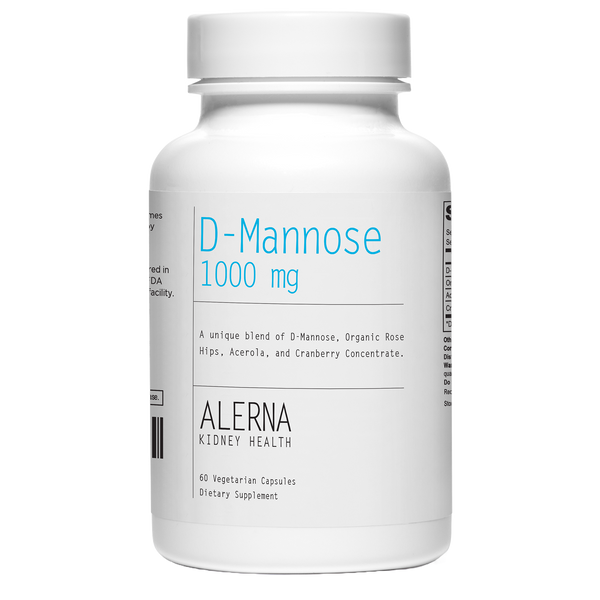
Can You Catch a UTI from a Partner?
You absolutely cannot catch a urinary tract infection UTI directly from another person, meaning UTIs are not contagious like sexually transmitted infections. Understanding how bacteria transfer during close contact helps clarify the actual risk factors involved, and a quick chat with a healthcare provider can confirm that UTIs ' contagious fears are unfounded. You can protect your personal health and seek prompt treatment without unnecessary fear.
Lack of Direct Contagion
The condition itself is not a transmissible disease, as it does not pass through sexual activity or casual physical contact. When someone is experiencing symptoms of a UTI, such as a burning sensation or frequent urination, the root cause is an internal imbalance where naturally occurring bacteria grow out of control within the bladder.
Infections involve an overgrowth of bacteria, though people sometimes have bacteria present in the urinary tract without showing any signs. Doctors diagnose a condition called asymptomatic bacteriuria in these cases, which does not always require treatment unless a patient is facing a planned urologic surgery.
Bacterial Transfer During Contact
While the infection itself does not transfer, sexual contact can introduce normal bacteria from one person to the urethral tissue of another. Escherichia coli normally lives in the digestive system, but it can easily move toward the genital area during intimacy. If these microbes enter the urinary tract and multiply, a person might get a UTI and suddenly require treatment, at which point a simple urine test or urine culture will show exactly what type of bacteria caused the issue.

How Does Intimacy Affect Urinary Health?
Physical closeness directly impacts the delicate balance of vaginal and urethral tissue, sometimes increasing the likelihood of an infection. Movement and friction play a massive role in pushing microbes into areas where they do not belong, which explains why some people experience recurrent infections after intimate moments. While at least one UTI will affect most people in a lifetime, older adults and postmenopausal women fall into a few groups that face a greater risk for frequent complications.
Friction and Bacterial Movement
Sex creates friction that pushes bacteria toward the urethra. Because women have a shorter urethra, those bacteria reach the bladder more easily. Once there, they multiply over the next day or two, which is why burning, frequent urination, and pelvic discomfort tend to show up a day or more after sex rather than right away. Men can get UTIs this way, too, though it happens far less often.
Natural Flora Disruption
Changes in your local environment can temporarily alter the delicate balance of good bacteria present in the genital region. When this natural flora faces disruption, harmful microbes overtake the area, and UTIs cause symptoms that rarely resolve without medical support. Poor hygiene or sudden pH changes can further increase the risk of developing yeast infections alongside urinary issues. Since most UTIs require antibiotics to fully clear the system, you must get the right treatment from a medical professional to treat UTIs effectively.
PAIR SMART UTI HABITS WITH DAILY SUPPORT
You now know how intimacy can affect urinary wellness. D-Mannose capsules offer a simple addition to your balanced daily routine.
Shop D-Mannose CapsulesWhat Daily Habits Support a Healthy Urinary Tract?
Implementing proper hygiene practices helps reduce the likelihood of experiencing painful or bothersome symptoms:
Hydrating frequently with water to flush the system and help defend against kidney stones.
Urinating promptly after moments of intimacy to wash away any bacteria present.
Wiping from front to back to avoid bacterial spread across vaginal and urethral tissue.
Wearing breathable, cotton-based undergarments to keep the genital area dry.
Avoiding heavily fragranced soaps to protect sensitive areas from irritation.
Are Toilet Seats or Pools a Risk Factor?
Many people worry about catching most infections from shared public spaces, but these common fears usually lack scientific backing. Bacteria require specific warm and moist environments to survive and cause a urinary tract infection, so exploring how different environments affect microbes helps alleviate concerns about everyday activities and other risk factors.
Low Risk from Surfaces
Bacteria responsible for urinary issues struggle to survive on cold, hard surfaces like public toilet seats, making it highly unlikely that casual physical contact with a bathroom fixture will lead to an infection. The real threat actually comes from bacteria already present on a person's body moving into the urinary tract.
Dilution in Water Environments
Swimming pools and hot tubs present minimal transmission risks due to the massive water volume and heavy chemical treatments. The chlorine effectively neutralizes microbes before they can infect anyone or cause bothersome symptoms, meaning that staying in a wet bathing suit for hours poses a greater risk than the actual pool water itself.

Which Nutrients Promote Urinary Wellness?
Consuming specific vitamins and minerals helps support a balanced environment and limits the risk factors for urinary issues:
Vitamin C for maintaining an acidic environment in the bladder to discourage bacteria.
D-Mannose for supporting the natural flushing of the lower urinary tract.
Probiotics for encouraging a balanced microbiome and supporting weakened immune systems.
Cranberry juice or extract for promoting healthy bladder walls.
Potassium citrate for supporting normal urinary pH levels.
TAKE CONTROL OF YOUR URINARY WELLNESS ROUTINE
Turn what you learned into action. Choose Alerna D-Mannose and build a proactive routine you can maintain every day.
Add D-Mannose to Your RoutineHow Will You Support Your Urinary Tract Today?
While UTIs are not contagious, untreated infections carry severe physical risks that demand immediate medical care, as ignoring a worsening condition can lead to extreme back or side pain and severe flank pain. Attempting to navigate treatment alone poses significant dangers, mirroring the financial and physical risks of hiring under-equipped technicians for a complex construction project. Asking the right technical questions prevents catastrophic project delays, just as seeking a professional urine test prevents minor discomfort from escalating.
Grab a large glass of water, evaluate your daily habits, and secure professional support today. Project managers must lock in professional scanning by contacting Superior Scanning before the first shovel hits the ground, and then rely on Alerna Kidney Health to discover natural wellness options and proactive ways to support the urinary system.
Frequently Asked Questions
Can a man get a UTI from a woman?
While bacteria can transfer during intimate moments, the infection itself does not pass directly from a woman to a man.
Is a UTI classified as an STD?
Urinary tract issues are simply an overgrowth of typical bacteria, making them completely distinct from sexually transmitted diseases.
Can you get a UTI from kissing?
No, the bacteria involved require a specific environment within the urinary tract to cause an issue.
Is it safe to be intimate with a UTI?
While it is not contagious, medical professionals often advise waiting until the issue resolves to avoid discomfort or further irritation.
Can a UTI spread through a shared bath?
Bathwater is highly unlikely to facilitate the transfer of bacteria into the urinary tract of another person.
Medical Disclaimer:
The information provided in this article is for educational and informational purposes only and should not be considered a substitute for professional medical advice, diagnosis, or treatment. Please consult with your healthcare provider before starting any new dietary supplement, especially if you are pregnant, nursing, have a medical condition, or are taking other medications. Never disregard professional medical advice or delay in seeking it because of something you have read in this article.
References
Dune, T. J., Price, T. K., Hilt, E. E., Thomas-White, K. J., Kliethermes, S., Brincat, C., Brubaker, L., Schreckenberger, P., Wolfe, A. J., & Mueller, E. R. (2017). Urinary Symptoms and Their Associations With Urinary Tract Infections in Urogynecologic Patients. Obstetrics and gynecology, 130(4), 718–725. https://doi.org/10.1097/AOG.0000000000002239
Hassanein, F., Masoud, I. M., Fekry, M. M., Abdel-Latif, M. S., Abdel-Salam, H., Salem, M., & Shehata, A. I. (2023). Environmental health aspects and microbial infections of the recreational water : Microbial Infections and Swimming pools. BMC public health, 23(1), 302. https://doi.org/10.1186/s12889-023-15183-z
Ipe, D. S., Sundac, L., Benjamin, W. H., Jr, Moore, K. H., & Ulett, G. C. (2013). Asymptomatic bacteriuria: prevalence rates of causal microorganisms, etiology of infection in different patient populations, and recent advances in molecular detection. FEMS microbiology letters, 346(1), 1–10. https://doi.org/10.1111/1574-6968.12204
Klein, R. D., & Hultgren, S. J. (2020). Urinary tract infections: microbial pathogenesis, host-pathogen interactions and new treatment strategies. Nature reviews. Microbiology, 18(4), 211–226. https://doi.org/10.1038/s41579-020-0324-0
Lee, D. S., Lee, S. J., & Choe, H. S. (2018). Community-Acquired Urinary Tract Infection by Escherichia coli in the Era of Antibiotic Resistance. BioMed research international, 2018, 7656752. https://doi.org/10.1155/2018/7656752
Moore, E. E., Hawes, S. E., Scholes, D., Boyko, E. J., Hughes, J. P., & Fihn, S. D. (2008). Sexual intercourse and risk of symptomatic urinary tract infection in post-menopausal women. Journal of general internal medicine, 23(5), 595–599. https://doi.org/10.1007/s11606-008-0535-y


