


Table of Contents
A kidney stone rarely warns you that it is coming. It builds in silence, sometimes for months, long before the first sharp ache hits your back or side. Then the pain arrives, and most people land on the same question: how long does it take for kidney stones to form, and how long has this one been growing?
The honest answer is that it varies a lot from one person to the next. Alerna Kidney Health works in exactly that space, offering kidney-support information and formulas built around how stones really develop. Knowing the timeline and what pushes it faster is the first step to understanding your own risk.
DON'T WAIT FOR PAIN TO SUPPORT KIDNEY WELLNESS
Kidney stones can develop quietly. Pair steady hydration and balanced habits with Alerna Chanca Piedra.
Explore Chanca Piedra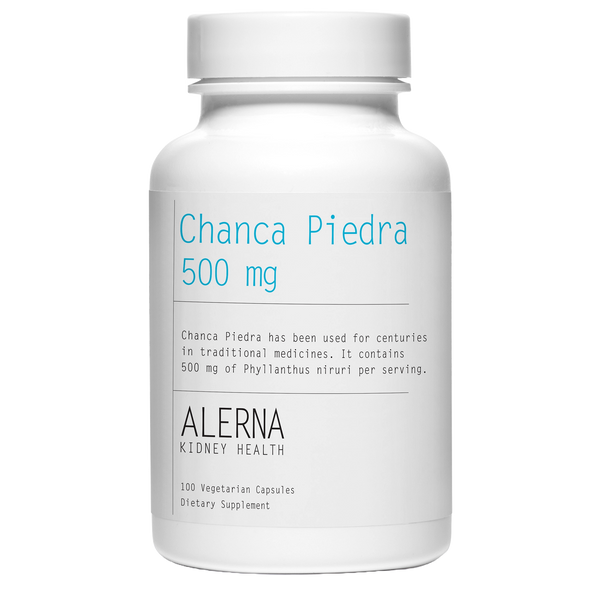
How Long Does It Take for Kidney Stones to Form?
Most kidney stones take weeks to months to form, and some grow quietly over years before causing any trouble. No single clock fits everyone, because the pace tracks closely with body chemistry, fluid intake, and health history. Here is what that range actually looks like up close.
Weeks to Months, Sometimes Years
Small crystals can show up within weeks when urine stays concentrated. Growing those crystals into a stone big enough to trigger kidney stone symptoms takes far longer, often months, sometimes years. Plenty of large kidney stones sat unnoticed for a long stretch before anyone knew they were there. Size is the dividing line. Tiny crystals form fast, while a larger stone, roughly pea-sized or bigger, generally needs much more time to build.
No Fixed Timeline
The speed of stone formation depends on the individual. Two people who eat almost the same diet can develop kidney stones at very different rates, shaped by genetics, hydration, and other risk factors. One person forms stones again and again across a few years. Another never forms a single one. A timeline that fits someone else tells you very little about yours.
Growth Happens in Stages
Stones do not appear all at once. They build in stages. It starts with small crystals that settle out of concentrated urine, and those crystals slowly clump, harden, and layer over time, a bit like mineral scale building inside an old pipe. The longer the conditions hold, the bigger the stone gets.

What Causes Kidney Stones to Form?
Kidney stones form when urine turns too concentrated, and minerals bind together instead of washing out. Usually, it is a combination of factors at work, not a single cause. Three drivers account for most cases, and they often overlap.
Concentrated Urine
Concentrated urine is the most common reason stones start. Low fluid intake leaves too little liquid to dilute the minerals moving through the urinary tract, so those minerals collect and settle rather than leave the body. The pattern is simple: the less you drink, the more concentrated your urine, and the easier it becomes for crystals to take hold.
Excess Stone-Forming Minerals
Some stones come down to a surplus of raw material. When calcium and oxalate run high, they combine into calcium oxalate stones, the most common type by far. Extra uric acid can drive uric acid stones, while rarer types like cystine stones or struvite stones form under their own specific conditions. More stone-forming material in the urine simply means more chances for one to grow.
Low Protective Compounds
The body also has its own defense, and losing it matters. Citrate is the main protective compound. It binds to calcium and helps keep crystals from clumping into stones. When citrate runs low, that natural brake weakens, and stones can form more easily even when mineral levels look perfectly normal.
PAIR SMART KIDNEY HABITS WITH DAILY SUPPORT
You know what can speed up mineral buildup. Add Chanca Piedra alongside water and balanced meals.
Shop Chanca Piedra CapsulesWhat Speeds Up Kidney Stone Formation?
Some habits and health conditions push stone formation along faster than usual. They tend to work the same way, either by concentrating the urine or by loading it with more stone-forming material. Here are common factors that can speed things up:
Not Drinking Enough Water: The single biggest driver of concentrated urine. Skimp on fluids, and minerals get the room they need to settle.
A Diet High in Salt: Too much sodium raises the calcium in your urine, which feeds calcium stones.
Heavy Intake of Oxalate-Rich Foods: Foods like spinach and nuts add to the oxalate load, especially in people already prone to stones.
Frequent Animal Protein: A diet heavy in animal protein and purines can push uric acid levels up.
Family History and Health Conditions: Genetics, parathyroid disease, and repeated urinary tract infections all shorten the runway.
These are general risk factors, not a diagnosis. Individual risk varies widely, and only a doctor can assess yours.

Can You Slow Down Stone Formation?
Every day habits genuinely influence how fast stones form. None of them promise a stone-free future, but several are strongly linked to healthier urine and lower kidney stone risk. The habits below have the most evidence behind them.
Steady Hydration
Steady hydration is one of the habits most consistently linked to lower stone risk. Drinking enough fluids throughout the day keeps urine diluted, which supports normal kidney function and makes it harder for minerals to settle. Spacing water throughout the day works better than gulping a large amount at once.
Balanced Eating Habits
What you eat shapes what ends up in your urine. Going easier on salt and keeping animal protein moderate are both associated with lower stone risk. For most people, steady and sensible beats any trendy single "stone diet."
Regular Checkups
Checkups matter most for anyone who has already passed a stone. A doctor can order a urine test or blood tests, walk through treatment options, and build a treatment plan that fits your personal risk. Recurring stones are a clear signal to ask for that monitoring instead of waiting it out.
TAKE CONTROL OF YOUR KIDNEY WELLNESS ROUTINE
Small daily choices add up. Choose Alerna Chanca Piedra and build a proactive routine you can maintain.
Add Chanca Piedra TodayWhat Should You Take Away?
Kidney stones usually form over weeks to months, sometimes over years, and no single timeline fits everyone. Hydration, diet, and personal risk factors shape the pace far more than luck does. The practical lesson is that small daily habits stack up.
Take an honest look at how much water you drink, explore the kidney-support resources from Alerna Kidney Health, and see a doctor if stones have hit you more than once. Acting early always beats waiting for the pain.
Frequently Asked Questions
How quickly can a kidney stone develop?
Small crystals can appear within weeks, but a kidney stone large enough to cause symptoms usually takes months or longer to grow.
Can kidney stones form in a week?
Tiny crystals can begin forming in a week when urine is very concentrated, but a full, symptom-causing stone almost never develops that fast.
What is the main cause of kidney stones?
The most common cause is concentrated urine from low fluid intake, which lets minerals like calcium and oxalate bind into stones.
Can drinking water dissolve kidney stones?
No, water does not dissolve existing stones, though staying well hydrated supports flushing and dilution, and a doctor should guide treatment for any stone.
How do you know if a kidney stone is forming?
Early stones often cause no symptoms at all, and many people only notice severe pain, blood in the urine, or other symptoms once a stone moves.
Medical Disclaimer:
The information provided in this article is for educational and informational purposes only and should not be considered a substitute for professional medical advice, diagnosis, or treatment. Please consult with your healthcare provider before starting any new dietary supplement, especially if you are pregnant, nursing, have a medical condition, or are taking other medications. Never disregard professional medical advice or delay in seeking it because of something you have read in this article.
References
A.D.A.M. Editorial Team. (2024). Kidney stones. MedlinePlus, U.S. National Library of Medicine. https://medlineplus.gov/ency/article/000458.htm
National Institute of Diabetes and Digestive and Kidney Diseases. (2017a). Eating, diet, & nutrition for kidney stones. U.S. Department of Health and Human Services. https://www.niddk.nih.gov/health-information/urologic-diseases/kidney-stones/eating-diet-nutrition
National Institute of Diabetes and Digestive and Kidney Diseases. (2017b). Symptoms & causes of kidney stones. U.S. Department of Health and Human Services. https://www.niddk.nih.gov/health-information/urologic-diseases/kidney-stones/symptoms-causes


