


Table of Contents
Shoulder pain that shows up out of nowhere can send your mind racing. A pulled muscle? A sleeping position gone wrong? The rotator cuff? Gout rarely makes that list, yet gout in shoulder joints does happen. It sits low on the list of causes because gout usually starts in the lower body, but the shoulder can flare when uric acid runs high for a long time.
Alerna Kidney Health keeps a close watch on uric acid and joint wellness, and the aim here is to help you understand what shoulder gout feels like, what drives it, and when the pain is worth a call to a doctor.
SURPRISED BY SHOULDER DISCOMFORT?
Unexpected joint issues can catch you off guard, but managing your daily habits shouldn't be a guessing game. Support your body's natural balance with our vegetarian formula designed for your proactive wellness routine.
Shop Uric Acid Support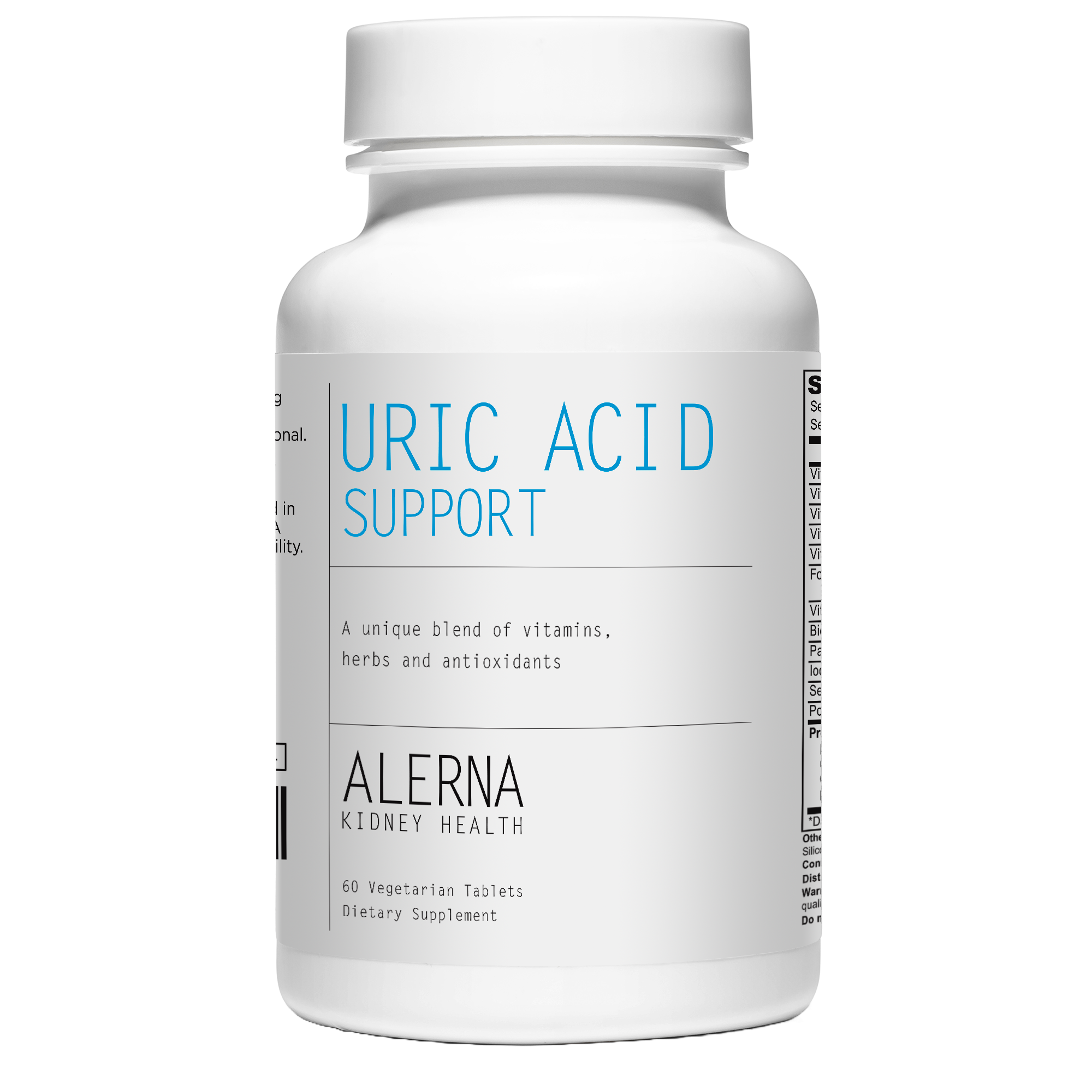
What Is Gout in the Shoulder?
Gout in the shoulder is a form of inflammatory arthritis caused by uric acid crystals collecting in the shoulder joint. When excess uric acid is in the blood, it can form sharp crystals that settle in a joint and trigger sudden, painful inflammation. The shoulder is an unusual spot for this to happen, which is part of why it catches people off guard.
Uric Acid Crystal Buildup in Shoulder Joint
Uric acid crystals form when the body has more uric acid than the kidneys can clear. Uric acid is made when the body breaks down purines, which come from certain foods and from the body's own cells. When production runs high, or the kidneys eliminate too little, the excess turns into needle-shaped urate crystals. Those crystals can lodge in the shoulder joint and irritate the lining, triggering a gout attack.
Rare but Possible Manifestation of Gout
Gout in the shoulder is rare, though it is possible, especially in people with chronic gout. Most first flares hit the big toe, and the shoulder tends to get involved only after years of high uric acid or many past flare-ups. Because it is uncommon, shoulder gout is easy to mistake for other problems, so it helps to know how the symptoms show up.

What Are the Symptoms?
The symptoms of shoulder gout usually come on fast and center on one joint. Pain, swelling, and stiffness can appear within hours and make the whole shoulder feel tender. These shoulder symptoms often mimic an injury, which is why the cause isn't always obvious at first.
Sudden Shoulder Pain and Swelling
Sudden shoulder pain is the most common sign of a flare. The pain can turn intense quickly and may feel deep in the shoulder joint rather than on the surface. Swelling follows as fluid builds around the affected joint, leaving the area puffy and sore.
Redness and Warmth Around the Joint
Redness and warmth point to inflammation under the skin. The shoulder may look flushed and feel hot to the touch, a sign of the body's inflammatory response to the crystals. This heat can help set gout apart from a simple strain.
Limited Range of Motion
A limited range of motion is common once the joint swells. Lifting the arm, reaching overhead, or even getting dressed can bring significant discomfort. The pain and stiffness together can make the shoulder feel locked in place.

How Do You Know It's Gout in the Shoulder?
Telling shoulder gout from other conditions is tricky, since the signs overlap with injuries and other types of arthritis. A sudden flare with heat and swelling in one joint points toward gout, especially in someone with a history of it. Here are common clues that help distinguish shoulder gout from other conditions:
Pain that comes on suddenly and intensifies quickly, often within a few hours.
Swelling and tenderness that interfere with arm movement.
Redness or warmth in the shoulder area.
Discomfort that may mimic arthritis or a shoulder injury.
Similar symptoms show up with a rotator cuff tear, rheumatoid arthritis, severe osteoarthritis, and a related condition called calcium pyrophosphate dihydrate deposition, or pseudogout. Only a doctor can identify the root cause, so these clues point you toward care rather than self-diagnosis.
What Causes Gout in the Shoulder?
Gout in the shoulder is caused by too much uric acid in the body, the same problem behind gout in any joint. Some causes trace back to how the body handles uric acid, while others come from diet and daily habits. A few medical conditions also raise the odds.
Elevated Uric Acid Levels
Elevated uric acid levels are the root of every gout flare, shoulder included. The body either makes too much uric acid or the kidneys cannot clear enough, and the buildup eventually forms crystals. High uric acid can run in families, so a family history of gout raises your risk.
Dietary and Lifestyle Factors
Certain foods and drinks push uric acid higher and can trigger a flare. Red meat, organ meats, and some seafood are high in purines, and alcohol and sugary drinks raise levels too. Skipping water lets uric acid concentrate, and extra body weight adds to the load. Small diet and lifestyle changes can lower that pressure over time.
Other Health Conditions Linked to Gout
Several health conditions are linked to higher uric acid and more frequent gout. High blood pressure, kidney disease, and kidney stones all make it harder to clear uric acid from the body. Certain medications, including water pills, can raise levels as well. These conditions matter because treating the underlying cause often matters as much as treating the flare.
PROACTIVE ABOUT YOUR URIC ACID?
High uric acid can impact unexpected joints over time. Alongside a healthy diet and proper hydration, add our targeted blend to your daily regimen to help maintain your ongoing joint wellness.
Support Your Daily RoutineHow Is Shoulder Gout Diagnosed?
A doctor diagnoses shoulder gout by combining an exam, lab work, and a close look at the joint. No single step confirms gout on its own, so the diagnostic process pulls the pieces together. An accurate diagnosis matters here, since many shoulder conditions can look similar.
Physical Examination and Medical History
The visit starts with a physical exam and a review of your medical history. The doctor checks the shoulder for swelling, warmth, and tenderness, then asks about past gout flare-ups, family history, diet, and any medications you take. These details help separate gout from an injury or another form of arthritis.
Blood Tests for Uric Acid Levels
Blood tests measure uric acid in the blood and support the picture. High readings back a gout diagnosis, though the test has limits. Uric acid can read normal during a flare, so blood tests alone cannot confirm gout.
Imaging and Joint Fluid Analysis
Imaging tests and joint fluid analysis give the clearest answer. An ultrasound or other imaging studies can reveal urate crystals and any shoulder damage. To confirm gout, a doctor may perform a joint aspiration, drawing a small sample of synovial fluid from the shoulder to check for uric acid crystals under a microscope.

What Helps Manage Shoulder Gout?
Managing shoulder gout means calming flares when they strike and keeping uric acid in check between them. During a flare, rest and the anti-inflammatory treatment a doctor recommends can reduce inflammation and ease pain. Lifestyle habits can help reduce the risk of flare-ups:
Stay hydrated so the kidneys can flush uric acid instead of letting it build up.
Limit purine-rich foods like red meat and organ meats.
Maintain a healthy weight to lower the overall uric acid load.
Manage stress, since it can trigger flares.
Use supportive posture and ergonomics to ease strain on the shoulder joint.
For ongoing cases, treatment options may include physical therapy to restore movement and medications a doctor prescribes to lower uric acid and prevent future flares.
Can Shoulder Gout Be Prevented?
Shoulder gout cannot always be prevented, but steady control of uric acid greatly lowers the chance of future flares. The goal is to keep levels low enough that crystals stop forming in any joint. Two habits do most of the work.
Long-Term Uric Acid Management
Long-term uric acid management is the surest way to prevent gout from returning. For many people, this means a daily treatment plan with medication and regular blood tests to track progress. Sticking with the plan, even when the shoulder feels fine, keeps crystals from building back up.
Healthy Diet and Lifestyle Choices
A healthy diet and steady lifestyle changes support the medical side day to day. Cutting back on high-purine foods, alcohol, and sugary drinks helps keep uric acid in check, and an active lifestyle with a healthy weight helps keep levels down. Small, consistent choices add up to fewer flares.

When Should You Seek Medical Help?
Sudden, severe shoulder pain deserves medical attention, especially the first time it strikes. Quick care can confirm the cause, rule out other problems, and start treatment before the shoulder is damaged. A few signs call for faster action.
Severe or Recurring Shoulder Pain
Severe pain or repeat flares should be checked by a doctor. Intense pain that does not ease, or gout that keeps coming back, signals uric acid that is still too high. Early diagnosis gives the best chance to protect the joint.
Fever or Systemic Symptoms
A fever alongside a hot, swollen shoulder needs same-day care. Those signs can point to a joint infection, which can look like gout but can damage the joint quickly if missed. Chills or feeling unwell are other symptoms worth acting on right away.
Unclear Diagnosis or Overlapping Conditions
An unclear diagnosis is a strong reason to see a doctor. Shoulder gout overlaps with rotator cuff issues, arthritis, and other conditions, and only an accurate diagnosis can distinguish them. Getting the cause right means the treatment actually fits the problem.
READY TO SUPPORT YOUR JOINTS DAILY?
Don't wait for unexpected discomfort to start prioritizing your wellness. Take control of your long-term goals today by incorporating our convenient Uric Acid Support capsules into your daily routine.
Add To Your RoutineIs It Time to Protect Your Shoulder Health?
Shoulder pain that appears without warning is worth taking seriously. Shoulder gout is rare, and similar symptoms can come from a rotator cuff injury, arthritis, or a joint infection. A healthcare provider can confirm the cause and recommend the right treatment.
Seek prompt medical care if the shoulder becomes extremely painful, hot, or swollen, especially if you also have a fever, chills, or feel unwell. Supplements should not be used to treat an active gout flare or replace prescribed uric acid medication.
Along with proper medical care, hydration, balanced food choices, and healthy weight management can support your long-term uric acid wellness routine. For additional daily support, consider Alerna Kidney Health's Uric Acid Support – 60 Vegetarian Tablets as a convenient addition to your routine.
Frequently Asked Questions
Can gout really affect the shoulder?
Yes, gout can affect the shoulder, though it is rare and usually shows up in people with chronic or long-standing gout.
What does gout in the shoulder feel like compared to arthritis?
Shoulder gout tends to flare suddenly with heat, redness, and intense pain, while arthritis pain often builds slowly over time.
How do doctors diagnose shoulder gout?
Doctors use a physical exam, blood tests for uric acid, imaging, and sometimes joint fluid analysis to confirm gout.
What lifestyle changes help reduce shoulder gout flares?
Staying hydrated, limiting purine-rich foods and alcohol, and keeping a healthy weight can help reduce flare-ups.
Can shoulder gout be confused with rotator cuff injuries?
Yes, shoulder gout can mimic a rotator cuff injury, so a proper diagnosis is needed to tell the two apart.
Medical Disclaimer:
The information provided in this article is for educational and informational purposes only and should not be considered a substitute for professional medical advice, diagnosis, or treatment. Please consult with your healthcare provider before starting any new dietary supplement, especially if you are pregnant, nursing, have a medical condition, or are taking other medications. Never disregard professional medical advice or delay in seeking it because of something you have read in this article.
References
Johnson, R. J., Bakris, G. L., Borghi, C., Chonchol, M. B., Feldman, D., Lanaspa, M. A., Merriman, T. R., Moe, O. W., Mount, D. B., Sanchez Lozada, L. G., Stahl, E., Weiner, D. E., & Chertow, G. M. (2018). Hyperuricemia, Acute and Chronic Kidney Disease, Hypertension, and Cardiovascular Disease: Report of a Scientific Workshop Organized by the National Kidney Foundation. American journal of kidney diseases : the official journal of the National Kidney Foundation, 71(6), 851–865. https://doi.org/10.1053/j.ajkd.2017.12.009
Shrateh, O. N., Jobran, A. W. M., Zaid, M. A., Hamed, H. K., Asees, M. Y., Soboh, O., & Dallashi, A. A. (2023). Unusual location of gouty arthritis with shoulder joint involvement in an elderly male patient: a rare case report. Annals of medicine and surgery (2012), 85(4), 1158–1161. https://doi.org/10.1097/MS9.0000000000000389
Sparks J. A. (2019). Rheumatoid Arthritis. Annals of internal medicine, 170(1), ITC1–ITC16. https://doi.org/10.7326/AITC201901010


