


Table of Contents
Staring at a flagged number on your lab report is incredibly stressful. A result of 7.2 mg dl does not give you much context on its own, leaving you to wonder if you face an increased risk for severe pain from gout flares or other health problems.
This guide exists to cut through the medical jargon and offer real clarity. You will find a helpful uric acid normal range chart below, paired with a plain-English explanation of what the test results actually mean. Understanding your blood uric acid levels is the essential first step to protecting long-term health.
STRESSED ABOUT YOUR URIC ACID NUMBERS?
Seeing flagged lab results can be overwhelming, but understanding your levels is the first step. Take control of your daily wellness routine and proactively support your body's natural uric acid balance with our targeted vegetarian formula.
Shop Uric Acid Support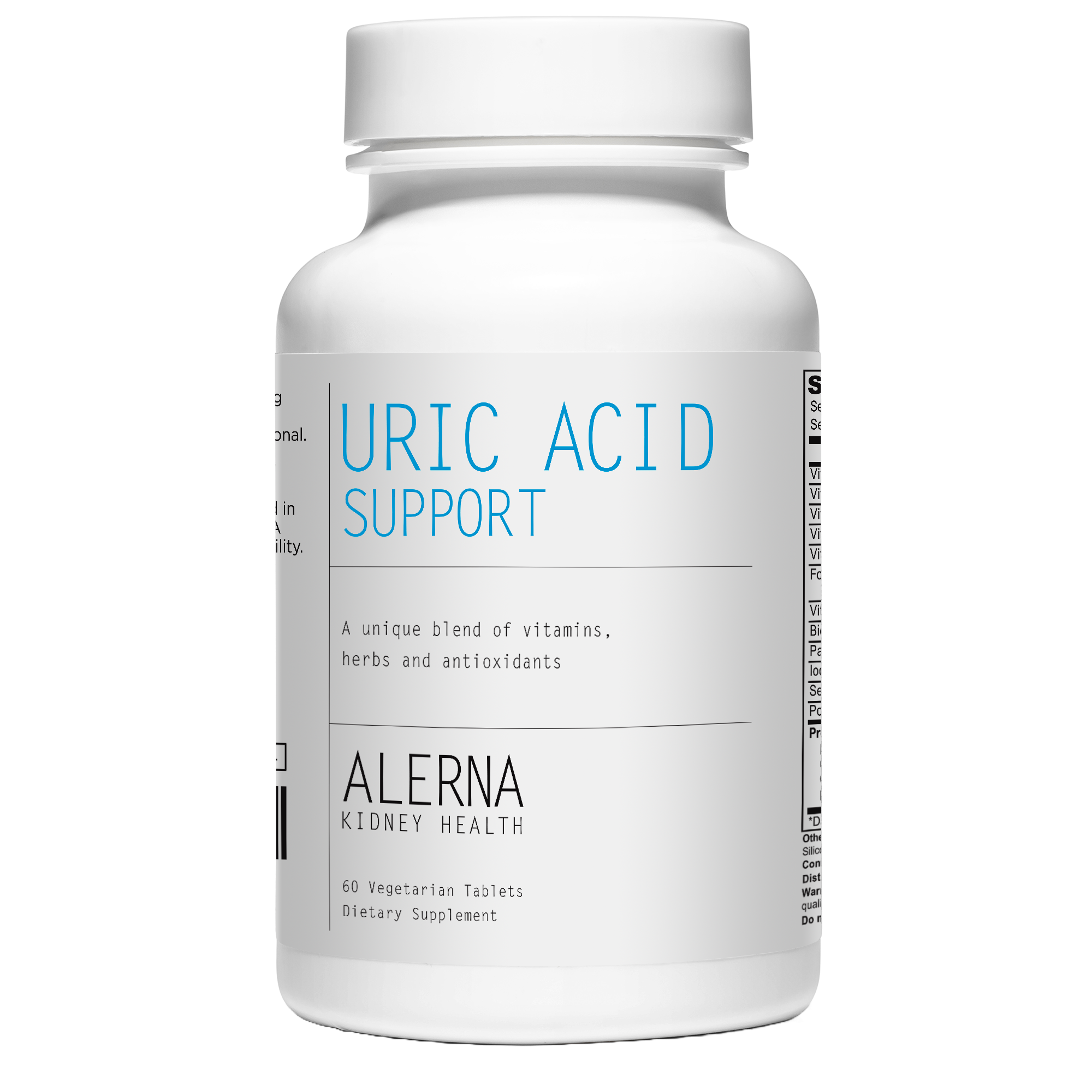
What Is Uric Acid and Why Do Doctors Test It?
Uric acid is simply a waste product that forms when the body breaks down natural chemicals called purines. Doctors routinely rely on the uric acid test to assess how efficiently the kidneys filter this waste and excrete it from the bloodstream. Tracking these numbers over time can reveal potential kidney disease long before any physical symptoms appear.
Purines exist naturally inside your own cells. You also get them from eating certain foods, such as organ meats and red meat. As cells die or you digest purine-rich foods, purine metabolism kicks in, and uric acid is the byproduct. Healthy kidneys remove this waste from circulation and flush it through your urinary tract. Sometimes, too much uric acid builds up faster than your body can handle. Left ignored, high uric acid levels set the stage for kidney stones, painful joint issues, and eventual renal failure.
The Uric Acid Levels Chart: Find Your Range
Looking at standard reference ranges helps clarify your current health. The table below outlines the target serum uric acid values widely used in clinical chemistry. Use it to see exactly where your numbers fall.
| Category | Group | Uric Acid Level |
|---|---|---|
| Low | All adults | Below 2.0 mg/dL |
| Normal | Adult men | 4.0 to 8.5 mg/dL |
| Normal | Adult women | 2.7 to 7.3 mg/dL |
| Gout-safe target | Men and women with gout | Below 6.0 mg/dL |
| High (Hyperuricemia) | Adult men | Above 8.5 mg/dL |
| High (Hyperuricemia) | Adult women | Above 7.3 mg/dL |
Understanding Your Test Results
Making sense of your uric acid levels means looking at the bigger picture. Your gender and existing medical conditions matter. A normal uric acid level is not exactly the same for everyone.
Adult women naturally run lower because estrogen helps the kidneys clear waste. Once menopause begins, serum urate levels in women often rise to levels comparable to those in men. Anyone trying to manage health, especially individuals who develop gout, needs stricter medical targets.
Rheumatologists insist on keeping uric acid levels below 6.0 mg dl. This stops needle-like crystals from taking over the joints. Keep in mind that different labs set slightly different targets, so always review the specific normal range on your own paperwork.
What Is Considered a Dangerously High Uric Acid Level?
A dangerously high uric acid level occurs when serum uric acid rises above 9.0 or 10.0 mg/dL. At these extreme concentrations, your blood becomes saturated with monosodium urate. That saturation is what directly triggers joint agony and irreversible organ damage.
Any result above 8.5 mg/dL in men or 7.3 mg/dL in women points to elevated uric acid levels. Doctors call this condition hyperuricemia. Your blood is simply holding more waste than your kidneys can process. When uric acid crystals form, they wedge themselves into your joints. This triggers the severe pain of a gout attack. Those same uric acid crystals can also pool in the urinary tract and harden into uric acid kidney stones. Over time, these stones destroy kidney tissue and push patients toward kidney failure.
High uric acid is also closely tied to metabolic syndrome, high blood pressure, insulin resistance, and various cardiovascular diseases. Scientists are still trying to figure out if elevated serum urate directly causes heart disease or just acts as a warning sign for it.

What Causes Your Uric Acid Numbers to Spike?
A few specific things force uric acid production into overdrive or stall your kidneys. Diet, declining kidney function, and certain medications are usually the main offenders. Spotting these triggers helps you regain control over your serum urate levels.
Common Dietary Triggers
A high intake of the wrong meals easily ruins normal purine metabolism. Changing what you eat can stop a dangerous spike before it happens.
Purine-rich foods: Eating a diet high in these foods is a major problem. Digesting red meat, organ meats, and shellfish forces your system to release purines directly into the bloodstream.
Alcohol consumption: Drinking heavily does serious damage and disrupts the way your body processes waste.
Sugary sodas: Drinks sweetened with high-fructose corn syrup act as a major trigger. Fructose activates enzymes like xanthine oxidase, pushing your body to ramp up uric acid production fast.
Rapid absorption: Your gastrointestinal tract absorbs these liquid sugars very quickly, causing an immediate spike in your numbers.
Medical Conditions and Medications
Your health history and your daily pills often dictate how well your body clears waste. Your kidneys need the right environment to function properly.
Kidney issues: Chronic kidney disease or general renal disease severely slows filtration. This means uric acid builds up simply because it has no exit.
Prescription drugs: Taking certain medications, particularly diuretics for high blood pressure, traps waste inside the body.
Cancer treatments: These therapies can trigger tumor lysis syndrome. This dangerous condition occurs when rapid cell turnover causes cells to die off rapidly, flooding the blood with nucleic acids and purines. This is often seen in hospitalized patients and requires immediate care.
Other health conditions: Conditions like psoriasis can also quickly raise uric acid levels.
READY TO SUPPORT YOUR URIC ACID LEVELS?
Adjusting your diet and monitoring your purine intake is a fantastic start, but true maintenance requires consistency. Complement your healthy lifestyle choices with our daily supplement to help maintain your uric acid balance.
Support Your Daily RoutineWhat If Your Uric Acid Level Is Too Low?
Low uric acid levels fall below 2.0 mg/dL. This is incredibly rare compared to high uric acid. The medical term is hypouricemia, and doctors usually spot it by accident during a routine exam.
Actual low uric acid symptoms are virtually nonexistent. The real concern is what causes the sudden drop. Fanconi syndrome is a rare disorder that forces the kidneys to dump too much uric acid. Taking large doses of uricosuric drugs can also artificially lower your urate levels. Some scientists have noted a weak link between low uric acid and Alzheimer’s disease, but that research is still early. Never try to diagnose yourself. Have an internal medicine specialist review your complete lab work.

3 Steps to Lower Your Uric Acid Naturally
You can actively address high uric acid levels with better hydration, dietary tweaks, and targeted supplements. These simple daily moves help the kidneys clear waste efficiently. Sticking to a consistent routine helps support healthy joints and defends against the buildup that leads to kidney stones:
Drink plenty of water: Good hydration thins your blood and helps protect your uric acid levels. It makes it much easier for the kidneys to filter out excess waste.
Adjust your daily meals: Cut out certain foods to stop the problem at the source. Adding vitamin C, or ascorbic acid, to your routine heavily supports kidney filtration. Studies also show that tart cherries naturally lower serum urate to help maintain joint comfort.
Support your kidneys with supplements: Natural options can help maintain healthy filtration when diet alone is not enough. Alerna's Uric Acid Support formula relies on specific botanical ingredients to assist this process. Taking a trusted daily supplement helps maintain a normal uric acid level and promotes overall wellness in the long term.
TAKE CHARGE OF YOUR URIC ACID WELLNESS
You know your numbers and the daily habits required to protect your health. Don't wait for a warning sign—make our convenient vegetarian capsules part of your proactive plan to maintain healthy uric acid levels and support long-term wellness.
Add To Your RoutineKnow Your Numbers, Protect Your Health
Spotting a test result outside the normal range is your cue to take action. High uric acid levels usually go unnoticed. They stay silent right up until a crippling gout flare or a kidney stone forces you to seek help.
Keeping your serum uric acid below 6.0 mg dl requires a solid daily routine. Staying hydrated, avoiding purine-rich foods, and supporting healthy kidney function will drastically improve overall comfort. Start taking action today to support your body and maintain healthy joint comfort and optimal wellness.
Frequently Asked Questions
What is the normal uric acid range for adults?
The normal uric acid range is 4.0 to 8.5 mg/dL for men and 2.7 to 7.3 mg/dL for women.
What uric acid level is considered dangerously high?
Serum uric acid levels climbing past 9.0 to 10.0 mg/dL are dangerous and bring an increased risk of severe pain from gout and uric acid kidney stones.
What are the symptoms of high uric acid levels?
Having too much uric acid often leads to intense swelling, severe pain, and redness that attack the joints, particularly in gout.
Can you have high uric acid with no symptoms?
Many people have elevated blood uric acid levels without feeling sick, making routine tests vital for detecting health problems early.
What foods should you avoid to lower uric acid?
You need to avoid certain foods, such as red meat, organ meats, and shellfish, as well as alcohol and sugary sodas, to keep your uric acid levels stable.
Medical Disclaimer:
The information provided in this article is for educational and informational purposes only and should not be considered a substitute for professional medical advice, diagnosis, or treatment. Please consult with your healthcare provider before starting any new dietary supplement, especially if you are pregnant, nursing, have a medical condition, or are taking other medications. Never disregard professional medical advice or delay in seeking it because of something you have read in this article.
References
Adeyinka, A., Kaur, A., & Bashir, K. (2024, October 5). Tumor lysis syndrome. In StatPearls. StatPearls Publishing. https://www.ncbi.nlm.nih.gov/books/NBK518985/
Albuquerque, A. L. B., Dos Santos Borges, R., Conegundes, A. F., Dos Santos, E. E., Fu, F. M. M., Araujo, C. T., Vaz de Castro, P. A. S., & Simões E Silva, A. C. (2023). Inherited Fanconi syndrome. World journal of pediatrics : WJP, 19(7), 619–634. https://doi.org/10.1007/s12519-023-00685-y
FitzGerald, J. D., Dalbeth, N., Mikuls, T., Brignardello-Petersen, R., Guyatt, G., Abeles, A. M., Gelber, A. C., Harrold, L. R., Khanna, D., King, C., et al. (2020). 2020 American College of Rheumatology guideline for the management of gout. Arthritis Care & Research, 72(6), 744–760. https://doi.org/10.1002/acr.24180
MedlinePlus. (n.d.). Uric acid test. U.S. National Library of Medicine. https://medlineplus.gov/lab-tests/uric-acid-test/
Ndrepepa, G. (2018). Uric acid and cardiovascular disease. Clinica Chimica Acta, 484, 150–163. https://doi.org/10.1016/j.cca.2018.05.046


