


Table of Contents
Many readers looking up creatine vs creatinine are simply trying to figure out the difference between the similar-sounding terms. Creatine is associated with muscle energy and exercise performance, while creatinine appears in lab reports as a waste product linked to kidney function. This article explains the key differences between creatine and creatinine, how each affects muscles and kidney function, and what the terms mean in everyday health decisions.
This content is for educational purposes only and is not intended as medical advice. Consult your healthcare provider for guidance specific to your situation.
KNOW THE DIFFERENCE, SUPPORT YOUR ROUTINE
Creatine and creatinine play very different roles. Pair informed supplement choices with Alerna Chanca Piedra for proactive kidney and urinary wellness support.
Explore Chanca Piedra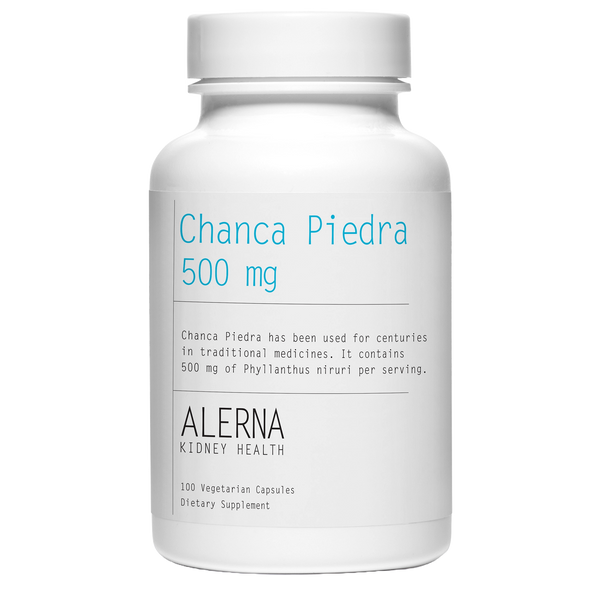
What Is Creatine?
Creatine is a naturally occurring compound made from amino acids that helps muscles produce quick energy. The body produces creatine and stores it in muscle cells as creatine phosphate, which fuels muscle contractions during short-duration activity and intense exercise. Creatine is often discussed in relation to muscle growth, physical performance, brain health, and overall wellne
How Creatine Supports Muscle Growth
Creatine may support muscle mass by increasing muscle creatine levels, which can influence adenosine triphosphate production, the body’s main energy molecule. Higher energy availability is often linked to increased muscle mass, improved muscle performance, and faster recovery after workouts.
Some people also associate balanced creatine intake with bone health and cognitive health, although results vary from person to person. When people mention less creatine, it usually refers to lower dietary intake or reduced storage in muscle tissue.
Role in Strength and Athletic Performance
Creatine is widely associated with muscle strength, athletic capacity, and enhanced exercise output, especially in strength and heavy resistance training. It is often discussed in endurance sports and activities that require bursts of power. Athletes sometimes notice changes in body composition, water retention, and muscle performance when taking creatine in adequate amounts.
Creatine is sometimes mentioned in women’s health discussions and certain muscle-related conditions, yet guidance often suggests speaking with a healthcare provider before starting supplementation.
Common Dietary Sources
Creatine naturally appears in protein-rich foods such as red meat and cooked meat, which is why eating patterns can influence creatine levels. People who consume fewer animal products may store less creatine in muscle cells.
The body still produces creatine internally, yet food sources can provide additional support. Because diets vary widely, supplementation sometimes comes up for those seeking a consistent intake.
PAIR SMART SUPPLEMENT USE WITH DAILY SUPPORT
Quality, dosage, hydration, and lab context all matter. Add Alerna Chanca Piedra to a balanced kidney and urinary wellness routine.
Add Botanical SupportWhat Is Creatinine?
Creatinine is a waste product formed when muscles use energy, and the kidneys filter it out through urine. In discussions about creatine and creatinine, creatinine is often described simply as a waste compound rather than an energy source. Its presence in blood creatinine and urine reflects renal function, not muscle fuel.
How Creatinine Is Produced
Creatinine forms when stored creatine breaks down naturally inside muscle cells, especially after intense exercise or regular movement. This waste product enters the bloodstream before the kidneys remove it. People with high muscle mass may show higher creatinine levels simply because of greater muscle tissue volume. The process is continuous and generally part of normal metabolism rather than a direct sign of illness.
Why Creatinine Is Measured in Labs
A blood test measuring blood creatinine levels and blood urea nitrogen helps estimate glomerular filtration rate, which relates to kidney function. This measurement is intended for monitoring trends rather than for diagnosing on its own.
The normal range can vary by age, sex, and muscle mass. Healthcare professionals often review these numbers alongside other markers to understand overall kidney health.
How Exercise and Muscle Mass Influence Creatinine Levels
Physical performance, strength training, and heavy resistance training may temporarily raise creatinine levels because of increased muscle turnover. People with higher muscle mass often show slightly higher blood creatinine levels without experiencing kidney issues.
Hydration, diet, and supplement use may also shift readings. These changes usually reflect activity rather than automatic kidney problems.

Creatine vs Creatinine: Key Differences
People often confuse creatine use with elevated blood creatinine levels, yet the relationship is not always direct. Creatine supports muscle growth, muscle strength, and exercise performance, while creatinine is a waste product produced by the kidneys and filtered by the kidneys
Functional Role in the Body
Creatine serves as an energy reserve in muscle cells, while creatinine indicates how effectively the kidneys remove waste. One supports muscle performance, and the other reflects filtration efficiency. Both relate to metabolism, yet the purposes differ greatly.
Source and Metabolism Differences
Creatine can come from dietary sources, endogenous synthesis, or supplementation, including creatine monohydrate or creatine ethyl ester. Creatinine appears after natural breakdown. The body treats creatine as a fuel and creatinine as a waste product to be eliminated.
Measurement and Lab Testing Insights
Blood creatinine levels, blood urea nitrogen, and glomerular filtration rate appear in standard lab panels. Creatine itself is rarely measured. Lab results usually focus on patterns rather than instant conclusions about chronic kidney disease or kidney dysfunction.
How Exercise Impacts Both Compounds
Intense exercise can increase muscle creatine levels and short-term creatinine readings. These shifts often normalize with rest and hydration. Temporary changes do not automatically indicate kidney damage.
Misconceptions People Often Have
Many people assume that taking creatine supplements automatically leads to kidney problems, but moderate creatine supplementation in healthy adults is commonly described in research as generally well tolerated when used as directed.
Confusion sometimes arises when blood creatinine rises slightly after intense workouts or dehydration, which can reflect temporary metabolic changes rather than immediate kidney concerns.

Supplementation Insights
Creatine supplements are widely used for muscle growth and improved exercise performance, yet awareness of dosage and quality remains important. Some people associate creatine and creatinine with kidney disease or chronic kidney disease, but several reviews emphasize moderate dosing and consultation with a healthcare provider.
How Creatine Supplements Work
Creatine monohydrate and creatine ethyl ester supplementation aim to raise muscle creatine levels, potentially enhancing muscle strength and physical performance. These forms support quick energy during short-duration activity. Benefits often appear alongside resistance training.
Safe Dosing Ranges
Many discussions focus on lower rather than higher doses, often at maintenance levels after a brief loading phase. Consulting a healthcare provider is commonly recommended. In most cases, adequate hydration is emphasized.
How Supplementation Affects Creatinine Readings Temporarily
Temporary increases in blood creatinine can occur after taking creatine, during intense workouts, or due to dehydration. These shifts usually reflect muscle metabolism rather than automatic kidney dysfunction.
Choosing a Quality Supplement
Before buying, consider these tips:
Look for creatine monohydrate purity and third-party testing. Products labeled 99% or higher purity and verified by independent labs can indicate fewer fillers or contaminants.
Avoid unnecessary additives and overstated water retention promises.
Pair supplements with a balanced diet and regular physical activity.
Check serving size clarity, manufacturing transparency, and expiration dates to help support consistency, product freshness, and more informed purchasing decisions over time.
MAKE KIDNEY WELLNESS YOUR NEXT MOVE
Use creatine wisely, stay hydrated, and review lab results with your provider. Choose Alerna Chanca Piedra for proactive daily wellness support.
Shop Chanca PiedraUnderstanding the Differences and Using Creatine Wisely
Creatine and creatinine may sound alike, but they perform very different roles in the body. Creatine supports muscle energy, strength, and exercise performance, while creatinine serves as a waste product marker that appears in lab tests linked to kidney function. This guide keeps the focus educational rather than medical. With clearer knowledge, supplement choices, hydration habits, and routine monitoring can better align with personal fitness goals and overall health awareness.
Frequently Asked Questions
Can creatine supplements raise creatinine levels?
Yes, temporary increases in blood creatinine levels may occur after taking creatine supplements, engaging in intense exercise, or becoming dehydrated.
Does exercise naturally increase creatinine?
Strenuous workouts can slightly raise creatinine levels because of increased muscle turnover.
Can women safely use creatine?
Creatine is sometimes discussed in women’s health contexts, yet speaking with a professional first is often recommended.
How long does it take to see benefits from creatine?
Changes in muscle performance and strength may appear within a few weeks when paired with consistent training.
Are creatinine tests affected by diet or supplements?
Diet, red meat intake, hydration, and supplementation can temporarily affect lab readings.
Medical Disclaimer:
The information provided in this article is for educational and informational purposes only and should not be considered a substitute for professional medical advice, diagnosis, or treatment. Please consult with your healthcare provider before starting any new dietary supplement, especially if you are pregnant, nursing, have a medical condition, or are taking other medications. Never disregard professional medical advice or delay in seeking it because of something you have read in this article.
References
Kreider, R. B., Kalman, D. S., Antonio, J., Ziegenfuss, T. N., Wildman, R., Collins, R., Candow, D. G., Kleiner, S. M., Almada, A. L., & Lopez, H. L. (2017). International Society of Sports Nutrition position stand: safety and efficacy of creatine supplementation in exercise, sport, and medicine. Journal of the International Society of Sports Nutrition, 14, 18. https://doi.org/10.1186/s12970-017-0173-z
Kreider, R. B., & Stout, J. R. (2021). Creatine in Health and Disease. Nutrients, 13(2), 447. https://doi.org/10.3390/nu13020447
Mills, S., Candow, D. G., Forbes, S. C., Neary, J. P., Ormsbee, M. J., & Antonio, J. (2020). Effects of Creatine Supplementation during Resistance Training Sessions in Physically Active Young Adults. Nutrients, 12(6), 1880. https://doi.org/10.3390/nu12061880
Spillane, M., Schoch, R., Cooke, M., Harvey, T., Greenwood, M., Kreider, R., & Willoughby, D. S. (2009). The effects of creatine ethyl ester supplementation combined with heavy resistance training on body composition, muscle performance, and serum and muscle creatine levels. Journal of the International Society of Sports Nutrition, 6, 6. https://doi.org/10.1186/1550-2783-6-6
Wu, S. H., Chen, K. L., Hsu, C., Chen, H. C., Chen, J. Y., Yu, S. Y., & Shiu, Y. J. (2022). Creatine Supplementation for Muscle Growth: A Scoping Review of Randomized Clinical Trials from 2012 to 2021. Nutrients, 14(6), 1255. https://doi.org/10.3390/nu14061255
Yim, J., Son, N. H., Kyong, T., Park, Y., & Kim, J. H. (2023). Muscle mass has a greater impact on serum creatinine levels in older males than in females. Heliyon, 9(11), e21866. https://doi.org/10.1016/j.heliyon.2023.e21866


