


Table of Contents
Noticing something solid in the toilet, such as grit or a small pebble, can raise questions. In some cases, kidney stones in toilet water appear this way, even when symptoms are mild or not immediately clear. This guide explains what kidney stones may look like, what practical steps to consider next, when warning signs matter, and how potassium fits into kidney health. All information is educational and not a diagnosis.
FOUND A POSSIBLE STONE? PLAN YOUR NEXT STEP
Seeing grit or a small pebble in the toilet can feel unsettling. Alongside medical guidance and hydration, Alerna Chanca Piedra supports a proactive kidney and urinary wellness routine.
Explore Chanca Piedra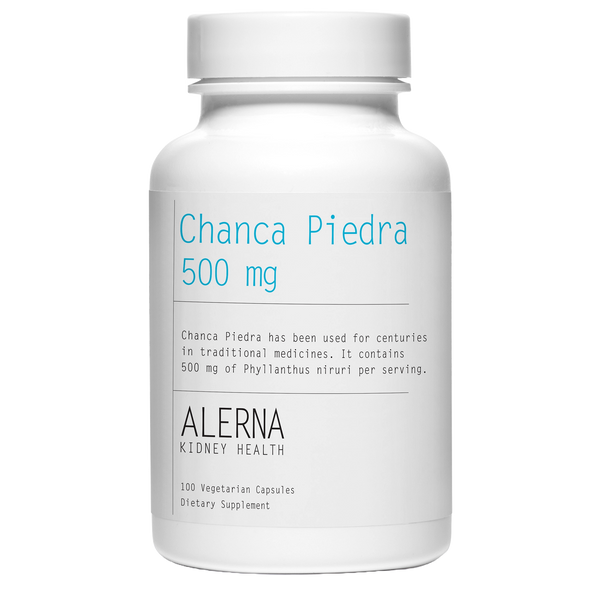
What Kidney Stones in the Toilet Look Like
Kidney stones can appear as sand, grit, or a small pebble in the toilet bowl, and their appearance often depends on the stone's type and size. Some kidney stones form in the kidneys as calcium stones, while others are uric acid stones, struvite stones, or cystine stones with different crystalline structures.
Size, Shape, and Texture Clues
Size, shape, and texture clues often appear as grit, gravel, or a single hard piece sitting in the toilet bowl after the stone leaves the urinary tract. Stones smaller than a grain of rice may break apart into sand-like fragments, while larger stones can resemble a rough pebble. If collecting urine for inspection, a small-mesh screen can help gently capture the stone without damaging it.
Common appearances that may show up in the toilet include:
Sand-like grains at the bottom of the bowl
Small gravel-like pieces
A pebble-shaped stone with rough edges
A smoother, rounded piece
Color Clues
Color can help describe what was seen, although it cannot confirm a diagnosis. Calcium oxalate stones and calcium phosphate stones often appear pale yellow, off-white, or light tan, while uric acid stones may look dark brown or orange due to acidic urine chemistry. Struvite stones may form during a urinary tract infection (UTI) and can appear lighter or crumbly.
The table below outlines common stone types, their typical colors, and their mineral makeup.
| Stone Types | Common Color in the Toilet Bowl | Typical Composition |
|---|---|---|
| Calcium oxalate stones | Pale yellow to tan | Calcium oxalate, sometimes linked to high oxalate foods |
| Calcium phosphate kidney stones | Pale yellow to chalky white | Calcium phosphate, influenced by urine chemistry |
| Uric acid stones | Dark brown to orange | Uric acid stones are commonly linked with more acidic urine chemistry |
| Struvite stones | Off-white to beige | Magnesium ammonium phosphate, often linked to UTI |
| Cystine stones | Yellowish, waxy | Cystine from a genetic transport condition |
If a red tint appears, it may reflect blood mixing with urine rather than a color change in the stone itself.

When a Stone Is Visible and When It Is Not
A stone may be visible in the toilet, or it may pass unnoticed. Small kidney stones can wash away quickly, especially when urine is dilute, and flushing happens right away. Concentrated urine allows mineral deposits to settle, making stones in the toilet easier to spot.
Visibility Factors
Visibility factors include urine clarity, bowl shape, and whether the stone reaches a narrow point and breaks into smaller pieces. Cloudy urine can hide stones because suspended particles blur the view, while pale yellow urine may allow a hard deposit to stand out more clearly. Toilet paper fibers can also cling to surfaces and change appearance. When actively checking for passed kidney stones, a small mesh screen can help collect urine and reduce uncertainty.
Common Look-Alikes
Several materials can resemble forming stones even when stone formation is not occurring. Some substances settle like grit, while others stretch or float, creating stone-like patterns in the water. Texture offers a useful clue, as true stones are usually hard rather than soft.
Common look-alikes that can resemble a stone include:
Urine sediment
Small blood clots
Mucus strands
Toilet paper fibers
Medical professionals can help confirm whether a stone is present and whether further medical treatment is needed.
PAIR SMART FOLLOW-UP WITH DAILY KIDNEY SUPPORT
Saving the stone, tracking symptoms, and staying hydrated can support better follow-up. Add Alerna Chanca Piedra to a consistent routine focused on urinary comfort and healthy fluid balance.
Add Daily Kidney SupportWhat Passing a Stone Can Feel Like
Passing a stone can range from mild discomfort to intense renal colic, a term used to describe severe pain linked to temporary blockage and muscle spasm in the urinary tract. Kidney stone symptoms often shift as the stone moves, with pain sometimes traveling from the back toward the lower abdomen.
Common Symptoms
Common symptoms can vary depending on stone size and location, and they may change as the stone moves through the urinary system.
Symptoms often include:
Sharp pain that may come in waves as the stone moves through the urinary system
Cramping or pressure that shifts location over time
Nausea or stomach discomfort
Cloudy urine or pink-tinged urine, especially during episodes of renal colic
Trouble urinating if a stone temporarily blocks urine flow near the bladder outlet
Severe or worsening symptoms may require medical intervention, particularly when large stones or persistent vomiting are involved.
Time Frame and Flow of Symptoms
The time frame depends on stone size, urinary tract anatomy, and how quickly stones pass. Stones smaller than about 5 millimeters often pass more quickly in many cases, though even small kidney stones can cause intense pain at narrow points.
Pain may rise, ease, and return as the stone progresses. If symptoms persist, a clinician may order a CT scan (computed tomography) or other imaging to look for stones forming in the urinary tract.

What to Do After Seeing a Possible Stone
After spotting a possible stone, safe and simple choices support better follow-up and support future risk awareness and monitoring. The goal is not to force stones to pass faster, but to monitor changes and protect kidney function. If the stone leaves the body intact, collecting it can help guide later evaluation. This can be especially helpful for people with risk factors such as inflammatory bowel disease (IBD).
First Steps That Can Help
Helpful early steps focus on hydration and documentation. Steady fluids may reduce concentrated urine, though fluid limits should be followed if previously recommended. Writing down when pain started, where it moved, and whether burning or trouble urinating occurred can support later medical evaluation.
Helpful first steps after spotting a suspected stone include:
Drink fluids in a steady, comfortable way unless fluid limits apply
Note symptom timing and intensity
Watch for worsening symptoms
Saving a Stone for Possible Testing
Saving a stone can support future stone management planning because different stone types respond to different dietary modifications. Use a small mesh screen to collect urine, rinse the stone gently with clean water, and allow it to dry in a clean container.
Laboratory analysis can identify whether the stone contains calcium oxalate, calcium phosphate, uric acid, struvite, or cystine. Results may help guide strategies to reduce recurrence and lower future stone risk.

When to Get Medical Help Quickly
Medical help should be sought quickly when symptoms suggest infection, blockage, or dehydration, all of which can threaten kidney function. While pain is common with kidney stones, certain signs indicate a higher risk and should not be ignored.
Red-Flag Symptoms
Red-flag symptoms suggest that waiting could be unsafe, particularly if urine output drops. Fever combined with urinary symptoms can indicate infection, and infection with blockage can become serious. Vomiting may also worsen dehydration and may be linked with a higher likelihood of stone formation.
Urgent medical care is recommended if any of these symptoms occur:
Vomiting with difficulty keeping fluids down
Severe pain that does not improve
Trouble urinating or very low urine output

Where Potassium Fits In for Kidney Health
Potassium plays a role in nerve signaling, muscle movement, and fluid balance, and needs vary based on kidney function, medications, and the source of intake. Healthy kidneys regulate potassium excretion through the urinary system.
Potassium Basics
Kidneys regulate potassium alongside sodium, calcium, and other minerals. When kidney function declines, removing excess potassium becomes more difficult, which is why lab results are reviewed before supplements are suggested.
Potassium balance can also be influenced by calcium excretion, especially in conditions affecting the parathyroid glands. Diets high in salt or sugar may further influence mineral balance and kidney workload.
Food Potassium vs. Supplement Potassium
Potassium from food sources usually comes with fiber and water, which support gradual absorption. Supplements and salt substitutes provide larger, faster doses that may be less appropriate for people with reduced kidney function or certain medications. Dietary choices and urinary system history should guide potassium decisions rather than assumptions.
Potassium Citrate and Citrate Support
Potassium citrate is often discussed in kidney stone care because citrate can influence how minerals interact in urine. This may influence how certain minerals combine in urine associated with calcium oxalate and calcium phosphate stones.
Some people with uric acid stones may also notice changes in urine chemistry. Because responses vary, potassium citrate use should be guided by medical professionals who monitor kidney function and urine results.
MAKE KIDNEY WELLNESS YOUR NEXT MOVE
Do not stop at identifying what you saw. Follow medical advice, maintain steady hydration, and choose Alerna Chanca Piedra for convenient botanical support in your daily kidney wellness routine.
Shop Chanca PiedraKidney Stones in the Toilet and Potassium Concerns
Kidney stones in the toilet may appear as sand, gravel, or a small pebble, and the most helpful next step is to focus on observable details and make informed choices. Tracking symptoms, saving a stone for analysis, and recognizing warning signs can support safer decisions and future planning.
Potassium supports normal body functions, but supplements and salt substitutes may require caution for some people, which is why potassium choices should be guided by a clinician who can review your kidney function and stone type. If your doctor has recommended citrate support for stone prevention, Alerna's Potassium Citrate - 100 Vegetarian Capsules is one over-the-counter option that supports electrolyte balance and normal urine pH. It is a prevention tool, not a treatment for a stone that is already passing, and it is not right for everyone, so confirm with your provider before starting. A clinician can help align dietary modifications, future stone-management strategies, and potassium choices with your health history and stone type.
Frequently Asked Questions
Can kidney stones be seen in the toilet every time?
No, many small kidney stones pass without being noticed, especially when quick flushing or diluted urine can carry fragments away before they are noticed, or stones break into grit.
What color are kidney stones in the toilet?
Kidney stones in toilet water often appear pale yellow or tan, while uric acid stones may look dark brown or orange depending on composition.
What should be done after finding a kidney stone in the toilet?
Track symptoms, hydrate if appropriate, and save the stone using a small-mesh screen for possible analysis and future planning.
Does potassium affect kidney function?
Yes, potassium levels are regulated by the kidneys, so supplement use and certain medications may require medical guidance.
Is potassium citrate the same as a potassium supplement?
No, potassium citrate is used to influence urine chemistry, while standard potassium supplements focus on potassium intake rather than stone-related goals.
Medical Disclaimer:
The information provided in this article is for educational and informational purposes only and should not be considered a substitute for professional medical advice, diagnosis, or treatment. Please consult with your healthcare provider before starting any new dietary supplement, especially if you are pregnant, nursing, have a medical condition, or are taking other medications. Never disregard professional medical advice or delay in seeking it because of something you have read in this article.
References
Harvard T.H. Chan School of Public Health. (n.d.). Potassium. The Nutrition Source. https://nutritionsource.hsph.harvard.edu/potassium/
MedlinePlus. (n.d.). Kidney stones. U.S. National Library of Medicine. https://medlineplus.gov/ency/article/000458.htm
National Institute of Diabetes and Digestive and Kidney Diseases. (2017). Symptoms & causes of kidney stones. U.S. Department of Health and Human Services. https://www.niddk.nih.gov/health-information/urologic-diseases/kidney-stones/symptoms-causes
National Institute of Diabetes and Digestive and Kidney Diseases. (n.d.). Kidney stones. U.S. Department of Health and Human Services. https://www.niddk.nih.gov/health-information/urologic-diseases/kidney-stones
National Kidney Foundation. (n.d.). Struvite stones. https://www.kidney.org/struvite-stones
Velasquez, M. T., & Ortiz, D. (2015). Effect of potassium citrate on calcium phosphate stones in a model of hypercalciuria. International Urology and Nephrology. https://pmc.ncbi.nlm.nih.gov/articles/PMC4657843/
Urology Care Foundation. (n.d.). Kidney stones. https://www.urologyhealth.org/urology-a-z/k/kidney-stones


