


Table of Contents
Big toe pain can feel especially frustrating when it is hard to tell whether the problem is a sudden flare-up or a long-term structural issue. Many people comparing gout vs bunion symptoms experience similar pain, swelling, and stiffness around the big toe joint, making self-identification difficult. One condition is driven by internal chemistry, while the other develops from external pressure and mechanical stress.
Gout is a metabolic condition characterized by uric acid buildup in the joints, while bunions are a structural foot condition caused by changes in foot shape over time. Shoes cannot cure either problem, but the right footwear often serves as the first line of defense for daily mobility and comfort. This article explains how understanding these differences helps guide smarter footwear choices for managing gout and bunions.
PAIR SMART FOOTWEAR WITH SMART DAILY HABITS
Managing everyday foot comfort? Add Alerna Uric Acid Support to a proactive wellness routine alongside mindful lifestyle choices.
Explore Uric Acid Support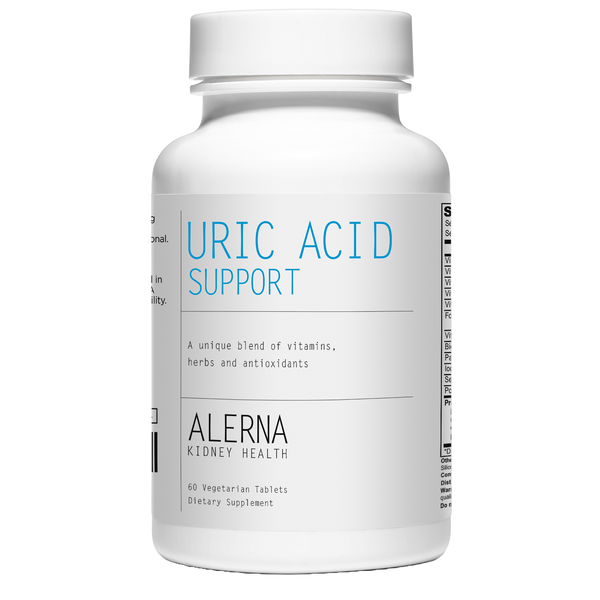
What Is the Difference Between Gout vs. Bunion Mechanics?
The difference between gout and bunion mechanics is that gout causes sudden internal inflammation in the big toe joint from uric acid crystals, while bunions develop from gradual external pressure that shifts bone alignment. Gout leads to rapid pain and swelling in the metatarsophalangeal (MTP) joint, while bunion pain builds slowly and worsens with tight shoes.
Sudden Joint Inflammation in Gout
Gout causes sudden, intense pain when uric acid crystals, also called urate crystals, form inside the affected joint. These crystals trigger inflammation, leading to pain, swelling, redness, and hypersensitivity that can make even light contact feel unbearable. During gout attacks, even wearing shoes may worsen discomfort.
Because swelling can develop quickly, shoes must allow extra volume around the big toe to prevent increased pain. In severe cases, repeated gout flare-ups may contribute to joint damage and affect other joints if uric acid levels remain high.
Gradual Structural Deviation in Bunions
Bunions develop slowly as the big toe drifts away from its normal position, creating a bony bump on the side of the foot. This bump on the side becomes visible and rubs against footwear, leading to irritation and persistent pain. Over time, bunion development can alter overall alignment.
As the deformity progresses, pressure may shift toward the second toe and other toes, worsening discomfort. Unlike gout, bunions require space to accommodate the bone itself rather than temporary swelling.

Essential Shoe Features for Dual Relief
The best shoes for managing both conditions share construction traits that reduce pressure and protect the joint. These features help relieve pain, support movement, and reduce stress on the foot during daily activities. Footwear that accommodates swelling while reducing mechanical strain supports long-term proper care and mobility.
Wide Toe Box Construction
A wide toe box reduces lateral compression on the toes, which is essential for easing bunion pain and preventing irritation of the noticeable bump. Extra width also allows space for swelling during gout flare-ups, lowering friction and pressure. This design helps reduce stress on the big toe joint.
By avoiding tight footwear, people can limit pressure that worsens big-toe pain. Wearing wider shoes helps protect sensitive joints and supports more natural toe alignment.
Flexible and Breathable Upper Materials
Flexible uppers made from mesh or soft leather stretch with the foot and adapt to changes in swelling. Breathable materials help manage heat, which may aggravate intense pain and redness during inflammation. Stretchable fabrics reduce friction points on both inflamed joints and structural bumps.
Rigid materials often create pressure spots that worsen foot pain. Softer uppers help maintain comfort throughout the day, especially during flare-ups.
Rocker Bottom Soles
Rocker bottom soles feature a curved design that reduces the need for the big toe to bend during walking. By limiting joint motion, these soles decrease mechanical stress on the joint. This design is especially useful during severe pain episodes.
Reducing repetitive bending helps manage discomfort linked to both inflammation and structural deviation. Rocker soles are often recommended in severe cases where joint motion triggers symptoms.

Footwear Styles to Avoid
Certain popular shoe styles can accelerate deformity or trigger pain in people managing gout or bunions. Avoiding these options helps reduce pressure on the joint and protect it.
High heels and narrow profiles
High-heeled shoes shift body weight toward the ball of the foot, forcing the toes into a narrow wedge. This pressure increases stress on the big toe joint, worsening bunion pain and triggering gout attacks.
Flat shoes with zero arch suppor
Flat shoes without support increase impact stress on the joints. This lack of cushioning can aggravate inflammation, leading to joint pain, swelling, and discomfort during walking.
Pointed-toe shapes
Pointed-toe designs push the big toe inward. This inward force worsens deformity and increases friction against the protruding bump, contributing to persistent pain.

Strategies for Managing Flare-Ups and Daily Comfort
Shoe selection is only part of managing discomfort; how shoes are worn and supported also matters. Simple strategies can reduce stress on the affected joint and support comfort throughout the day.
Using Orthotic Inserts for Stability
Orthotic inserts can help reduce strain on the big toe joint by improving foot alignment. While they don’t address the underlying cause of gout, they may improve comfort during flare-ups. By improving alignment, orthotics help distribute pressure more evenly across the foot. This reduces stress during walking.
Custom orthotics or well-designed shoe inserts may be useful for managing both inflammatory and structural stress. Improved stability can lower discomfort during daily activities.
Proper Sizing and Fit Timing
Buying shoes in the afternoon allows for natural swelling that occurs throughout the day. This timing helps ensure shoes fit comfortably, even during minor gout flare-ups. Proper sizing reduces friction and pressure points.
Shoes that accommodate swelling are less likely to cause increased pain later in the day. Fit consistency supports daily comfort.
Protective Padding and Sleeves
Gel pads, bunion sleeves, or moleskin create a protective barrier between footwear and the visible bump. This padding reduces friction and irritation caused by repeated contact. Padding can also help manage tenderness.
Protective accessories support proper care and allow longer wear with less discomfort.

Lifestyle Factors That Influence Gout and Foot Stress
Footwear works best when combined with supportive lifestyle choices. Certain habits influence inflammation, joint health, and long-term comfort.
The table below highlights common factors associated with gout flare-ups and joint stress.
| Lifestyle Factor | Potential Impact on Foot Pain |
|---|---|
| High purine foods | May increase uric acid levels and trigger gout flare-ups. |
| Red meat and organ meats | Associated with higher uric acid builds. |
| Alcoholic beverages | Can interfere with uric acid removal. |
| Healthy weight maintenance | Reduces pressure on the big toe joint. |
| Lifestyle changes | Support long-term joint comfort. |
Limiting purine-rich foods, such as red meat and organ meats, may support healthy uric acid levels in people managing gout. These adjustments are especially relevant for people managing gout.
READY TO BUILD A MORE CONSISTENT ROUTINE?
Keep supportive footwear and mindful habits working together. Make Alerna Uric Acid Support part of your proactive routine.
Start Your RoutinePrioritizing Long-Term Foot Health
Managing gout versus bunion discomfort requires understanding how each condition affects the joint and choosing footwear that reduces pressure rather than adding to it. Shoes that provide space, flexibility, and support help protect the joint while maintaining mobility. Footwear supports daily function but works best alongside broader management strategies.
For the gout side specifically, where uric acid is the driver, everyday habits do most of the work: staying hydrated, limiting purine-rich foods like red meat and organ meats, and following your doctor's guidance. If you want a supplement as one part of that routine, Alerna's Uric Acid Support - 60 Vegetarian Tablets is made to complement those habits. It supports a uric-acid-focused routine only; it won't change a bunion, which is a structural problem, and it's not a replacement for prescribed treatment.
While shoes are not a cure, they play a key role in preserving movement and comfort. With smart footwear choices and consistent habits, it is possible to stay active, reduce discomfort, and support long-term foot health.
Frequently Asked Questions
Can wearing tight shoes cause a gout flare-up?
Tight shoes can increase pressure on the big toe joint and may contribute to irritation or discomfort during a gout flare-up.
Is walking barefoot better for bunions and gout?
Walking barefoot is usually not better because it can increase impact stress and reduce joint support, worsening pain in bunions and gout.
How do I tell if my toe pain is a bunion or gout?
Gout causes sudden, severe pain with redness and swelling, while bunion pain develops slowly with a visible bony bump and pressure-related discomfort.
Are sandals good for people with bunions and gout?
Supportive sandals with wide toe areas and cushioning can help, but flat or unsupportive sandals may increase joint pain.
Can orthotics help with gout pain?
Orthotics can improve comfort by reducing pressure on the big toe joint. However, they do not address the underlying cause of gout.
Medical Disclaimer:
The information provided in this article is for educational and informational purposes only and should not be considered a substitute for professional medical advice, diagnosis, or treatment. Please consult with your healthcare provider before starting any new dietary supplement, especially if you are pregnant, nursing, have a medical condition, or are taking other medications. Never disregard professional medical advice or delay in seeking it because of something you have read in this article.
References
Ahmad, M. I., Masood, S., Furlanetto, D. M., & Nicolaou, S. (2021). Urate crystals; beyond joints. Frontiers in Medicine. https://pmc.ncbi.nlm.nih.gov/articles/PMC8212931/
American Academy of Orthopaedic Surgeons. (n.d.). Bunions. OrthoInfo. https://orthoinfo.aaos.org/en/diseases--conditions/bunions/
Centers for Disease Control and Prevention. (2024). Feet and footwear for older adults: Footcare and safe shoes can prevent falls [PDF]. https://www.cdc.gov/steadi/media/pdfs/2024/08/STEADI_Feet_Footwear_Guide_O.pdf
Forbes Personal Shopper. (2024, May 21). Best shoes for swollen feet 2024. Forbes. https://www.forbes.com/sites/forbes-personal-shopper/article/best-shoes-for-swollen-feet/
Logan University. (2012). Senior research project [Unpublished manuscript]. https://www.logan.edu/mm/files/LRC/Senior-Research/2012-Apr-18.pdf
Radiopaedia. (n.d.). Metatarsophalangeal joint. https://radiopaedia.org/articles/metatarsophalangeal-joint


