


Table of Contents
Bunion, gout, or arthritis can all trigger big toe pain that makes walking, balancing, and wearing shoes uncomfortable. Because the big toe joint carries a large share of body weight with every step, even mild soreness can affect daily movement.
This guide explains the key visual and symptom differences between bunions, gout, and arthritis so big toe pain is easier to recognize and discuss with a clinician. Kidney health can also play a role, since kidneys help remove uric acid and reduced kidney function is linked with higher uric acid levels, which can contribute to gout risk.
This information is not medical advice. Persistent, severe, or sudden joint pain should be evaluated by a licensed healthcare professional.
WHEN URIC ACID IS THE ISSUE, MAKE DAILY SUPPORT COUNT
Sorting out big toe pain? If uric acid is part of the picture, add Alerna Uric Acid Support to your daily wellness routine.
Explore Uric Acid Support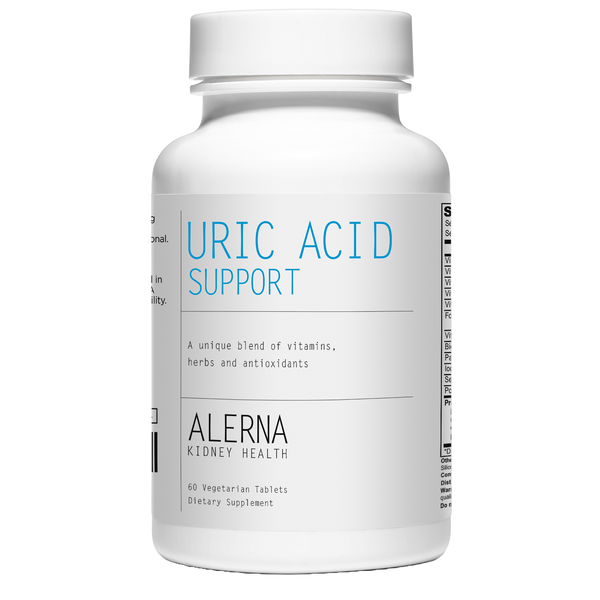
How to Tell Bunion, Gout, or Arthritis?
You can often spot differences by looking at shape, redness, and where swelling sits around the joint. These clues can show up before lab work or imaging, which makes a quick visual check useful for choosing next steps.
Quick visual cues
Bunion: Firm bump on the side of the big toe joint, toe angles toward the second toe.
Gout: Sudden hot, red, shiny swelling that can look “angry” across the whole joint.
Arthritis: Stiff joint with limited bend, sometimes with a bony ridge on top and minimal surface redness.

Bunion: A Bony Bump on the Side
A bunion appears as a firm bony bump on the side of the big toe joint. Usually, bunions develop gradually as the toe angles inward toward the second toe. Over time, the bump becomes easier to see and feel. This pattern is commonly called hallux valgus (HV).
As bunions progress, the foot shape can slowly change. Skin over the bump may look irritated after shoe friction, especially with narrow toe boxes or high heels. Bunions can also look red or swollen when the area is inflamed or rubbed by footwear, but the sudden hot, shiny redness seen in a gout flare tends to look different.
Gout and bunions can occur in the same joint, so a visible bump does not rule out a flare.
Gout: Sudden Redness, Shine, and Swelling
Arthritis in the big toe commonly shows up as stiffness with limited surface redness. The joint may look enlarged, but it may not appear dramatically inflamed the way a gout flare often does. Pain usually tracks with movement and reduced range of motion.
This pattern is often called hallux rigidus, sometimes referred to as “stiff big toe” or big toe arthritis. Bone spurs can form around the joint and contribute to rubbing, pressure, and restricted motion over time.
Arthritis: Stiffness and Bone Spurs
Gout often causes sudden redness, swelling, and shiny-looking skin over the big toe joint. This can happen when too much uric acid builds up and forms sharp crystals that collect in joints. The area may feel hot, tight, and extremely tender.
Unlike bunions, gout swelling often spreads across the full joint, not just one side. Symptoms may start quickly, including overnight, and can feel intense compared with the visible swelling.
GIVE YOUR URIC ACID ROUTINE A STRONGER FOUNDATION
Hydration and mindful food choices matter. Alerna Uric Acid Support can complement those everyday habits.
Support Your RoutineWhat Are the Specific Pain Symptoms of Each Condition?
Each condition tends to follow a different pain pattern. Timing, triggers, and how the pain behaves during movement can help separate gout from bunions and arthritis. Paying attention to key differences in onset, tenderness, and swelling can also clarify when similar symptoms overlap.
Gout: Intense Burning and Sensitivity at Night
Gout attacks often start suddenly, frequently at night. When experiencing gout, the joint may become so sensitive that light contact, including a bedsheet, feels painful. This fast-onset tenderness is a common clue to flares, and other symptoms may include warmth, noticeable swelling, and skin that looks red or shiny.
Pain can peak quickly and feel sharp or burning. Triggers can include dehydration, alcohol, and purine-rich foods such as organ meats and red meat. Although gout often targets the big toe, discomfort can sometimes involve other toes as well, especially with repeated flares.
Bunions: Dull Ache After Wearing Tight Shoes
Bunion pain often feels like a dull ache or pressure near the joint, usually alongside a noticeable bump. This foot condition tends to worsen over time in tight footwear, especially narrow shoes or high-heeled shoes. Removing shoes may reduce discomfort because pressure on the joint decreases, but the area can remain tender after prolonged standing or walking.
This type of pain typically develops gradually rather than appearing suddenly. For many people, wearing wider shoes and choosing a roomy toe box reduces rubbing and pressure on the area, which can improve daily comfort. Bunions can also shift how weight spreads across the forefoot, sometimes leading to soreness in other toes.
Arthritis: Deep Aching and Grinding With Movement
Uric acid levels may become elevated due to diet, genetic factors or family history, reduced kidney clearance, or certain medications. When uric acid remains high, crystals are more likely to form and accumulate.
Inflammatory Response
Arthritis pain often shows up during movement, especially walking, pushing off, or bending the toe. Some people notice grinding or a gritty sensation, sometimes called crepitus, as cartilage wears down and the joint becomes less smooth. Stiffness can feel worse after rest and ease slightly with gentle movement, then return later in the day.
Because arthritis and bunions can share similar symptoms, such as aching and stiffness, looking for other symptoms, like reduced range of motion, persistent stiffness, and pain that tracks closely with activity, can help highlight the key differences between these causes of toe pain.
What Causes These Big Toe Issues?
Each issue has a different root cause. Gout relates to uric acid metabolism, bunions relate to foot structure and mechanics, and arthritis relates to joint wear, injury, or both.
High Uric Acid Levels and Kidney Function for Gout
Gout can develop when uric acid builds up over time and crystals collect in joints. Kidney excretion plays a major role in uric acid handling, so reduced kidney function can contribute to higher uric acid levels for some people.
Diet can also contribute. Foods high in purines may raise uric acid levels, and alcohol can be a common trigger for flares. Lifestyle habits that support hydration and overall metabolic health are often part of a clinician-guided gout plan.
Genetics and Footwear Mechanics for Bunions
Bunions are often linked to inherited foot structure, joint mechanics, and the way weight moves through the foot. Footwear can add stress, especially shoes with narrow toe boxes that compress the forefoot.
Over time, repeated pressure can encourage the toe to drift and the bump to become more noticeable. Early steps, such as footwear changes and padding, can reduce irritation.
Wear and Tear or Injury for Arthritis
Arthritis can develop as cartilage wears down with time, repetitive stress, or after an injury to the big toe joint. Past trauma, including sports injuries, can increase risk in some cases.
As cartilage thins, bones can rub more easily, which contributes to stiffness, pain, and bone spur formation.

How Are These Conditions Diagnosed and Treated?
Diagnosis usually starts with a symptom history and a physical exam. Imaging or lab tests may help confirm the cause. Getting the right label matters because treatment looks different for each condition.
Uric Acid Testing and Dietary Changes for Gout
Gout evaluation may include blood tests that measure uric acid, although results can be less informative during an active flare. Symptoms, timing, and, when needed, joint fluid analysis to identify urate crystals can help confirm the cause.
A clinician may recommend prescription medications or anti-inflammatory medications based on health history. Dietary changes often include reducing high-purine foods and limiting alcohol, along with hydration and balanced nutrition to support normal kidney filtration.
X-Rays and Orthotics for Bunions
Bunions are often evaluated with an exam and X-rays to assess alignment and joint angle. Conservative care commonly starts with padding, toe spacers, and orthotics to reduce pressure.
Footwear matters. A wide toe box can reduce friction over the bump and may improve comfort during daily walking. In more advanced cases, an orthopedic specialist may discuss procedural options.
Physical Therapy and Anti-Inflammatories for Arthritis
Arthritis is often confirmed with an exam and imaging. X-rays can show joint space narrowing and bone spurs. Physical therapy and mobility work may help maintain flexibility and strength around the joint.
Treatment commonly focuses on symptom relief, supportive footwear, and activity modification. A clinician can help match options to pain level, function, and imaging findings.
STEP FORWARD WITH A SMARTER URIC ACID ROUTINE
Put your knowledge into action with healthy daily habits and Alerna Uric Acid Support.
Shop Uric Acid SupportTaking Steps Toward Better Foot and Kidney Health
Bunions are structural, arthritis is mechanical, and gout relates to uric acid crystal buildup. All can cause big toe pain, but visual clues and pain patterns can help narrow the likely cause. If gout is suspected, lab work and a clinician evaluation can be useful, especially because several conditions can mimic an acute flare.
For the gout side specifically, where uric acid is the driver, everyday habits do most of the work: hydration, a lower-purine diet, weight management, and your doctor's guidance. If you want a supplement as one part of that routine, Alerna's Uric Acid Support - 60 Vegetarian Tablets is made to complement those habits. It supports a uric-acid-focused routine only; it won't change a bunion or wear-and-tear arthritis, which are structural and mechanical problems, and it's not a replacement for prescribed treatment. Supporting overall kidney health through everyday habits is a practical wellness goal, even while medical care addresses symptoms.
Frequently Asked Questions
Can you have a bunion and gout at the same time?
Yes, a bunion can be present for years, and a gout flare can also occur in the same big toe joint.
Does drinking water help with immense toe pain?
Water can support hydration, and hydration supports normal kidney function and uric acid handling. Pain relief during a suspected gout flare often still requires medical guidance.
Is walking good for significant toe arthritis?
Gentle walking can support mobility for some people, but painful flare-ups may require rest and a modified plan. A clinician or physical therapist can help match activity to symptoms.
What foods trigger gout pain in the big toe?
Common triggers include high-purine foods such as organ meats, red meat, and some shellfish, plus alcohol and sugary drinks for some people.
Can kidney problems make gout in the big toe worse?
Reduced kidney function can contribute to higher uric acid levels, which may increase gout risk.
Medical Disclaimer:
The information provided in this article is for educational and informational purposes only and should not be considered a substitute for professional medical advice, diagnosis, or treatment. Please consult with your healthcare provider before starting any new dietary supplement, especially if you are pregnant, nursing, have a medical condition, or are taking other medications. Never disregard professional medical advice or delay in seeking it because of something you have read in this article.
References
Harvard Health Publishing. (2023, May 5). All about gout. Harvard Health Publishing. https://www.health.harvard.edu/diseases-and-conditions/all-about-gout
Harvard Health Publishing. (2023, October 25). Bunion. Harvard Health Publishing. https://www.health.harvard.edu/a_to_z/bunion-a-to-z
Harvard Health Publishing. (n.d.). What to do about bunions. Harvard Health Publishing. https://www.health.harvard.edu/diseases-and-conditions/what-to-do-about-bunion


