


You go to sleep feeling fine, but a few hours later, a throbbing ache wakes you up with a swollen, hot, and red joint. This sudden severe discomfort points straight to a painful form of inflammatory arthritis known as gout. Anyone experiencing this for the first time will naturally wonder what does gout feel like in its earliest stages.
The condition triggers intense joint pain. It starts when your body produces too much uric acid or struggles to filter it out. Leaving high uric acid levels unchecked creates a ripple effect. It can lead to kidney disease and high blood pressure if left untreated. But managing this condition does not have to be a mystery.
Keeping those uric acid levels healthy is entirely possible with the right dietary changes and holistic support from Alerna Kidney Health. Catching the symptoms of gout early and understanding how a gout flare develops is the best way to seek prompt treatment. Taking that step helps protect your joints from permanent joint damage.
At a Glance: 5 Early Gout Warning Signs
- Sudden warmth: the joint turns hot to the touch as blood rushes to it.
- Extreme tenderness: even the weight of a light bedsheet feels unbearable.
- Morning stiffness: the joint feels stiff and slow on waking.
- Tingling or burning: a mild prickling or burning before the pain peaks.
- Dull ache after heavy meals: a low, throbbing sensation following purine-rich food.
DON’T WAIT FOR JOINT DISCOMFORT TO TAKE OVER
Early warmth, tenderness, or stiffness can feel unsettling. Add Uric Acid Support to a proactive daily wellness routine.
Explore Uric Acid Support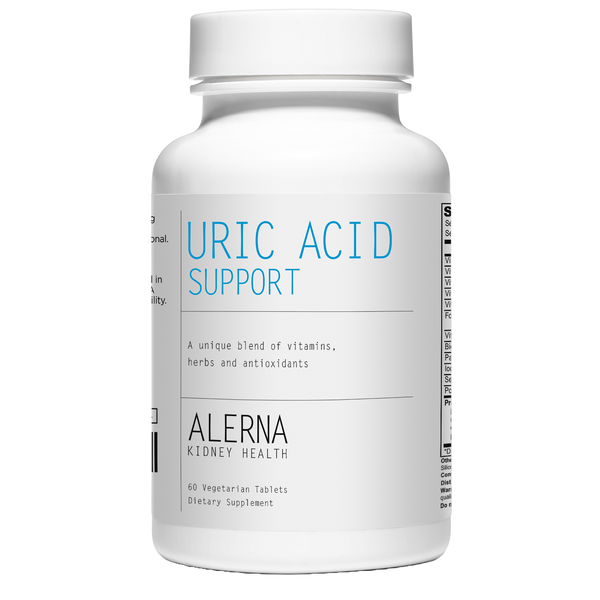
How Does a Gout Flare-Up Start?
A gout flare takes hold when excess uric acid begins to form sharp microscopic crystals inside a joint space. The physical changes happen fast, and once these acute flares begin, your immune system reacts aggressively. It sends white blood cells to attack the urate crystals. That biological response creates intense pain and rapid swelling in the affected joint. You might also be wondering how calcium pyrophosphate relates to this process. While it causes a similar condition called pseudogout, true gout attacks stem entirely from uric acid crystals.
Sudden Joint Warmth
People often report that the skin becomes hot to the touch as blood rushes to the surrounding tissue. This localized fever occurs because the immune system is actively fighting the buildup of uric acid trapped within the soft tissue. A noticeable burning sensation often serves as a warning sign just before severe pain takes over.
Extreme Localized Sensitivity
The joint becomes so tender that even the weight of a light bedsheet feels unbearable. As uric acid crystals build up in the area, they act like tiny needles irritating the nerves. The unique gout pain feel is often described as a heavy, relentless throb that makes resting difficult and walking nearly impossible.

Which Areas Typically Experience Discomfort?
Gout most often affects the lower half of the body because joint temperatures are slightly cooler there, creating an environment in which uric acid settles more easily. A practical way to manage gout is to modify your diet. Pairing a diet low in red meat and other foods with targeted supplements from Alerna Kidney Health provides strong joint support. This combined approach is a great way to support joint health and prevent gout attacks.
Base of the Big Toe
The base of the big toe remains the primary target for severe attacks. The affected area is usually your big toe because gravity pulls fluid downward. That physical reality, combined with cooler foot temperatures, makes it easy for crystals to form. Experiencing sudden agony in this specific spot is a textbook indicator of untreated gout.
Ankles and Knees
The condition does not always stay confined to the foot. Ankles and knees frequently endure serious gout pain. When the disease is ignored, advanced gout progresses rapidly. It commonly affects other joints, including the Achilles tendon. In the worst cases, it impacts multiple joints at the exact same time. Finding ways to lower uric acid levels protects these vital load-bearing areas from lasting joint damage. If a patient takes low-dose aspirin for heart health, consulting a doctor is recommended since the medication can sometimes increase uric acid levels.

What Are the Early Warning Signs?
Catching the earliest signals helps you manage symptoms before a minor ache turns into a crisis. Prompt action allows you to reduce inflammation quickly and prevent future attacks. Doctors recommend paying close attention to subtle shifts in joint mobility. This awareness helps individuals take proactive steps long before the real discomfort peaks:
Slight stiffness during morning hours
Mild tingling or burning sensations
Dull aches after heavy meals
START SUPPORTING YOUR JOINT WELLNESS TODAY
Take your next step with confidence. Choose Uric Acid Support and build a consistent routine around your wellness goals.
Add Uric Acid Support TodayWant to Support Long-Term Joint Health?
Building a healthy routine today will help you prevent gout and avoid frequent attacks in the years ahead. Ignoring high uric acid levels creates a domino effect in the body. Complications like high blood pressure and painful kidney stones become genuine risks when the root cause is left unaddressed. Your overall gout risk increases dramatically without intervention.
You have the power to lower uric acid and reduce pain through mindful lifestyle choices, and cutting out purine-rich foods is a great start. Following up with a physician is the next best step. A simple blood test or a few imaging tests can quickly diagnose gout. You do not have to wait for sudden pain to derail your life. Exploring holistic support options and working with a medical professional allows you to lock in a comprehensive plan for lasting joint health before the next flare-up hits.
Frequently Asked Questions
How long does a gout attack last?
An untreated gout flare can last anywhere from a few days to a couple of weeks before the severe pain finally subsides and the trapped uric acid dissolves.
Does gout feel like a sprain?
Yes, early gout symptoms often mimic a bad sprain because both conditions cause intense joint pain, swelling, and unexpected stiffness in the affected joint.
What triggers sudden gout flare-ups?
A sudden severe attack often happens when your body breaks down purines from red meat or when an underlying condition creates too much uric acid and excess uric acid production.
Can gout occur in the hands?
While the disease usually targets the lower extremities, anyone who might develop gout could see it strike one or more joints in the fingers and wrists.
How can someone soothe gout discomfort?
You can effectively soothe the area by resting, elevating the limb, and taking an anti-inflammatory like nonsteroidal anti-inflammatory drugs as directed by your doctor.
Medical Disclaimer:
The information provided in this article is for educational and informational purposes only and should not be considered a substitute for professional medical advice, diagnosis, or treatment. Please consult with your healthcare provider before starting any new dietary supplement, especially if you are pregnant, nursing, have a medical condition, or are taking other medications. Never disregard professional medical advice or delay in seeking it because of something you have read in this article.
References
KC, M., & Leslie, S. W. (2023). Uric Acid Nephrolithiasis. In StatPearls. StatPearls Publishing.
National Institute of Arthritis and Musculoskeletal and Skin Diseases. (2023, December). Gout. U.S. Department of Health and Human Services. https://www.niams.nih.gov/health-topics/gout
Zhang, Y., Neogi, T., Chen, C., Chaisson, C., Hunter, D. J., & Choi, H. (2014). Low-dose aspirin use and recurrent gout attacks. Annals of the rheumatic diseases, 73(2), 385–390. https://doi.org/10.1136/annrheumdis-2012-202589


