


Table of Contents
A urinary tract infection (UTI) can hit fast and come back just as quickly, leaving many people searching for ways to stay comfortable between episodes. UTI supplements have become a popular part of that search, especially for those tired of repeated antibiotic courses. Some ingredients have real science behind them, and some are mostly hype.
Alerna Kidney Health sorts the strong evidence from the weak, so you can support your urinary health without falling for empty claims.
BUILD A SMARTER URINARY WELLNESS ROUTINE
Recurring urinary concerns can make daily comfort feel uncertain. Add Alerna D-Mannose alongside hydration, healthy habits, and professional guidance.
Explore D-Mannose Support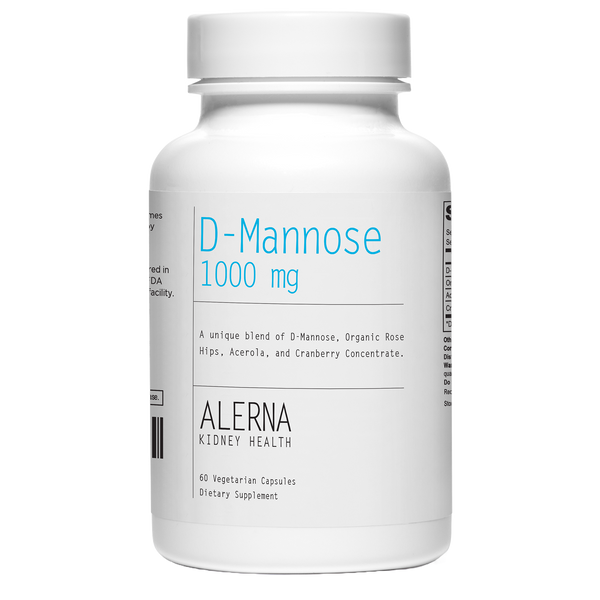
Why Consider UTI Supplements?
People consider UTI supplements to support urinary tract health and reduce recurrent discomfort without relying solely on prescriptions. These products do not replace medical care, but they may help the body stay balanced. Here is where they can fit in.
Support for Urinary Tract Health
UTI supplements are made to support urinary tract health and normal bladder function. Ingredients like cranberry and probiotics aim to keep the urinary tract less friendly to harmful bacteria. They work alongside the body’s own defenses rather than acting like a drug. Keep in mind that supplements support health. They do not treat an active infection.
Natural Options for Comfort
Many people reach for natural options because they want fewer antibiotics in a routine. Repeated antibiotic use can disrupt healthy bacteria and drive resistance over time. Supplements, fermented foods, and steady hydration offer a gentler way to support urinary and bladder health day to day. These choices support comfort, not a quick cure.
Complement to Lifestyle Habits
UTI supplements work best as a complement to healthy daily habits, not a stand-alone fix. Drinking enough water, good hygiene, and a balanced diet all shape your risk. A supplement can add a layer of support, but habits do the heavy lifting. Think of it as one piece of a larger routine.

What Are the Best UTI Supplements?
The best UTI supplements are the ones backed by clinical research, and cranberry leads the list. D-mannose, probiotics, and vitamin C are also popular, though the evidence for each varies. Here is how they compare.
Cranberry Extract for Support
Cranberry extract has the strongest evidence among UTI supplements for urinary health. A large 2023 review of 50 studies found that cranberry products lowered the risk of recurrent UTIs in women who get them often, in children, and in other at-risk groups. The active compounds, called proanthocyanidins, make it harder for E. coli bacteria to stick to the bladder wall. Cranberry juice can help too, but many bottles carry added sugar, so unsweetened juice or a concentrated extract is the smarter pick.
D‑Mannose for Flushing
D-mannose is a natural sugar that may help flush bacteria from the urinary tract, though recent research has cooled on it. The theory is that mannose binds to E. coli, so the bacteria leave the body in urine rather than sticking around. Early, smaller studies looked promising. A large 2024 trial of nearly 600 women, however, found that daily D-mannose did not reduce recurrent UTIs any better than a placebo, so its role is now uncertain.
Probiotics for Balance
Probiotics support a healthy balance of bacteria that may help protect the urinary tract. Certain Lactobacillus strains, found in supplements and fermented foods like kefir, aim to maintain beneficial organisms. The research here is limited and mixed, so probiotics are best seen as general support rather than a proven fix. A healthy gut and balanced flora still benefit overall health.
Vitamin C for Immune Support
Vitamin C supports normal immune system function, which helps the body defend itself day to day. Some people believe it makes urine more acidic and less welcoming to bacteria, but strong evidence for that effect is thin. Even so, vitamin C is a useful nutrient for overall health and easy to get from food or a supplement. Many options are gluten-free for people who need them.
PAIR INFORMED CHOICES WITH DAILY SUPPORT
Evidence varies, so realistic expectations matter. Alerna D-Mannose offers a convenient addition to your everyday urinary tract wellness routine.
Add D-Mannose to Your RoutineHow Do UTI Supplements Work?
UTI supplements work through a few different paths, from blocking bacteria to supporting your natural defenses. No single mechanism fits every product, since each ingredient acts in its own way. Here is a closer look at the main methods.
Blocking Bacterial Adhesion
Some UTI supplements work by stopping bacteria from sticking to the urinary tract lining. Cranberry’s proanthocyanidins and D-mannose both target this step, aiming to keep E. coli from latching on. When bacteria cannot attach, they are more likely to be flushed out in urine. This anti-adhesion effect is the most studied way these ingredients may help.
Supporting Healthy Flora
Other supplements support healthy flora, meaning the good bacteria that keep the body in balance. Probiotics and fermented foods add helpful organisms that may crowd out harmful bacteria. A balanced microbiome supports both gut and urinary health. This approach builds a stronger baseline instead of fighting one infection at a time.
Enhancing Natural Defenses
A few ingredients focus on enhancing your natural defenses so the body can protect itself. Vitamin C and other nutrients support the immune system, which helps fight off invading organisms. Strong defenses will not guarantee you avoid every infection, but they give the body better footing. Good nutrition stays a vital part of urinary wellness.

What Lifestyle Habits Enhance UTI Supplement Benefits?
Daily habits often matter more than any pill when it comes to urinary comfort. Pairing supplements with daily habits can maximize urinary comfort and reduce recurrence risk:
Drink water consistently throughout the day
Practice proper bathroom hygiene
Avoid prolonged sitting in tight clothing
Choose breathable cotton underwear
Limit excess caffeine and alcohol
Small, steady choices like these support the work your supplements are doing and help protect long-term urinary health.
Are UTI Supplements Safe to Use?
UTI supplements are generally safe for most healthy adults when used as directed. Still, they can cause mild side effects and are not right for everyone. A quick check with a doctor clears up most concerns.
General Safety for Most Adults
Most UTI supplements are safe for healthy adults at normal doses. Cranberry, D-mannose, and probiotics have long safety records and few serious risks. People who take blood thinners, manage diabetes, or have kidney problems should be more careful, since some ingredients can interact with medicine. Checking a label for quality and third-party testing adds another layer of safety.
Possible Digestive Side Effects
The most common side effects of UTI supplements are digestive, like bloating, gas, or loose stools. D-mannose and high doses of vitamin C can upset the stomach in some people. Cutting back the dose usually solves the problem. Drinking water with a supplement can also ease these effects.
Importance of Professional Guidance
A doctor or physician can tell you whether a UTI supplement fits your health needs. This matters most if you have recurrent UTIs, are taking a prescription, or notice new symptoms. A professional can also rule out issues that supplements cannot address. Never swap a needed antibiotic for a supplement without medical advice.

How to Choose the Right UTI Supplement?
Choosing the right UTI supplement comes down to quality, proven ingredients, and honest labeling. Selecting the right supplement involves checking quality and formulation details:
Look for third-party testing and certifications
Choose clinically studied ingredients
Avoid unnecessary fillers or additives
Check dosage instructions carefully
Consider combination formulas for added support
Because the Food and Drug Administration (FDA) does not evaluate supplements the way it evaluates medicines, quality varies widely from brand to brand. Reading labels closely protects both your health and your wallet.
When Should You Seek Medical Help Despite Supplements?
You should seek medical help right away when UTI symptoms turn severe, no matter what supplements you take. Supplements support urinary health, but they cannot treat an active infection that has taken hold. A few warning signs need a doctor fast.
Persistent Pain or Burning
Persistent pain or burning when you urinate is a clear sign to call a doctor. These UTI symptoms often mean bacteria have already caused an infection that needs antibiotics. Waiting too long can let the infection spread. No supplement can clear an active UTI on its own.
Blood in Urine
Blood in the urine is never something to brush off. It can indicate a urinary tract infection, a kidney issue, or another problem that a physician needs to evaluate. Even if you feel fine otherwise, this sign calls for prompt medical care. A quick urine test can find the cause.
Fever or Back Pain
Fever or lower back pain may mean an infection has reached the kidneys. That is a serious condition that can cause lasting harm if ignored. Seek care the same day if you notice these signs alongside UTI symptoms. Prompt antibiotics can stop the infection before it worsens.
MAKE URINARY WELLNESS A DAILY HABIT
Seek medical care for active symptoms, then stay consistent with hydration and healthy habits. Make Alerna D-Mannose part of your daily wellness plan.
Shop D-MannoseWill You Try UTI Supplements for Support?
UTI supplements can play a helpful role in a routine focused on urinary and bladder health, with cranberry backed by the strongest research and the others offering lighter support. They are not a cure for infections and cannot replace antibiotics when you truly need them.
If you'd rather get that support in one product, Alerna's D-Mannose - 60 Vegetarian Capsules is the kind of combination formula this guide points to: cranberry concentrate, the ingredient with the most research behind it, paired with D-mannose, organic rose hips, and acerola extract, in a clean vegetarian form. Use it as one part of a daily plan, paired with steady hydration, good hygiene, and smart food choices, not as a stand-alone fix.
Talk with your doctor, choose a tested product, and give your urinary health the steady, informed support it deserves.
Frequently Asked Questions
What are the most effective UTI supplements?
Cranberry has the strongest clinical research among UTI supplements for urinary health, while D-mannose, probiotics, and vitamin C offer lighter or less certain support.
Can cranberry supplements really help prevent UTIs?
Research suggests cranberry products may lower the risk of recurrent UTIs in women who get them often, mainly by keeping bacteria from sticking to the bladder.
Is D-mannose safe for daily use?
D-mannose is generally safe for daily use, though a large 2024 trial found it did not reduce recurrent UTIs better than a placebo.
Do probiotics reduce UTI recurrence?
Probiotics may support a healthy balance of bacteria, but research on reducing UTI recurrence remains limited and mixed.
How long should I take UTI supplements before noticing results?
Most people use UTI supplements daily for several weeks to a few months, since these products support urinary health gradually rather than fixing symptoms fast.
Medical Disclaimer:
The information provided in this article is for educational and informational purposes only and should not be considered a substitute for professional medical advice, diagnosis, or treatment. Please consult with your healthcare provider before starting any new dietary supplement, especially if you are pregnant, nursing, have a medical condition, or are taking other medications. Never disregard professional medical advice or delay in seeking it because of something you have read in this article.
References
Gupta, V., Mastromarino, P., & Garg, R. (2024). Effectiveness of Prophylactic Oral and/or Vaginal Probiotic Supplementation in the Prevention of Recurrent Urinary Tract Infections: A Randomized, Double-Blind, Placebo-Controlled Trial. Clinical infectious diseases : an official publication of the Infectious Diseases Society of America, 78(5), 1154–1161. https://doi.org/10.1093/cid/ciad766
Peterson, L. M., & Reed, H. S. (2019). Hematuria. Primary care, 46(2), 265–273. https://doi.org/10.1016/j.pop.2019.02.008
Williams, G., Stothart, C. I., Hahn, D., Stephens, J. H., Craig, J. C., & Hodson, E. M. (2023). Cranberries for preventing urinary tract infections. The Cochrane database of systematic reviews, 11(11), CD001321. https://doi.org/10.1002/14651858.CD001321.pub7
Williams, G., Hahn, D., Stephens, J. H., Craig, J. C., & Hodson, E. M. (2023). Cranberries for preventing urinary tract infections. The Cochrane database of systematic reviews, 4(4), CD001321. https://doi.org/10.1002/14651858.CD001321.pub6


