


Table of Contents
A glass of lemon water looks plain, but the question behind it deserves a straight answer. So, is lemon water good for kidneys?
For most people, yes. It makes staying hydrated easier and adds a small dose of natural citrate that supports the urinary system. Your kidneys filter waste from your blood every minute of the day, and they do that job best when you drink enough fluid. A squeeze of fresh lemon also turns a dull glass of water into something you might actually finish, which matters more than it sounds.
At Alerna Kidney Health, we focus on simple, science-based habits that protect renal function over the long run. Knowing how this everyday drink affects your body helps you decide whether it earns a spot in your daily routine.
MAKE EVERY GLASS PART OF A SMARTER ROUTINE
Lemon water can make hydration easier. Pair that simple habit with D-Mannose for proactive daily urinary wellness support.
Explore D-Mannose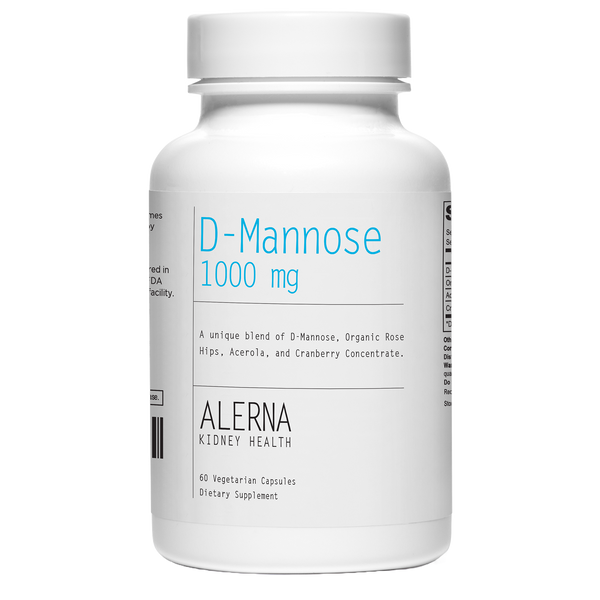
How Does Citrus Aid the Kidneys?
Citrus helps the kidneys in two main ways: it makes hydration easier, and supplies citrate, a compound that helps keep urine chemically balanced. Lemons, limes, and oranges all contain citric acid, which the body puts to work in the urinary system. The three subsections below break down how that plays out, from fluid intake to urine pH.
Enhancing Daily Hydration Levels
Drinking lemon water makes it easier to hit your fluid goals, mostly because flavor changes behavior. Plain water gets boring fast, so many people quietly fall short of what they need. A little lemon gives water a fresh, bright taste without the sugar load of soda or fruit juice. That extra fluid keeps urine diluted, and well-diluted urine supports the kidneys as they filter and clear waste. Most adults do fine aiming for several glasses a day, though the right amount depends on body size, climate, and activity.
Providing Natural Citrate
Lemon juice ranks among the richest natural sources of citrate you can find in common citrus fruits. Citrate raises the citrate level in your urine, and higher urine citrate makes it harder for crystals to clump into stones. This matters because people who form calcium kidney stones often have low urine citrate to begin with, so adding lemon helps close that gap. Fresh lemon also skips the preservatives and added sugar found in some bottled lemon juice.
Supporting Optimal pH Balance
Citrus nudges urine toward a less acidic pH, which is a quiet but real benefit. Very acidic urine provides an environment in which certain stones, especially uric acid stones, are more likely to develop. After the body processes the citric acid in lemon water, that acid acts as a mild buffer. Steadier pH supports healthy kidneys and cleaner waste removal.

Why Is Citrate Important for Health?
Citrate matters because it helps keep minerals dissolved and moving through the urinary system instead of settling and hardening. The compound, found naturally in citrus fruits, works alongside good hydration to support normal kidney function. Three jobs explain why it carries so much weight.
Binding with Excess Calcium
Citrate binds to excess calcium in the urine before it can pair with oxalate. Calcium that stays bound is less available to form the crystals that can harden into kidney stones. That single action is a big reason citrate plays such a useful role in normal urinary health. People with a history of stones often work with a healthcare provider on raising citrate intake, since the benefit tends to be greatest for them.
Promoting Normal Waste Flushing
Citrate helps the kidneys flush waste and toxins through the urine at a steady, healthy pace. Your kidneys clear out byproducts the body no longer needs, and good flow keeps that process running clean. Drinking enough fluid alongside citrate also lowers the odds of urinary tract infections. Smaller stones, those that have not had time to grow, often pass more easily when urine output remains high.
Maintaining Mineral Flow
Citrate helps minerals like calcium, sodium, and potassium move smoothly rather than pile up. Steady mineral flow guards against the slow buildup of crystals on kidney tissue. This carries extra weight for anyone managing chronic kidney disease (CKD), since mineral balance can drift as kidney function changes. A healthcare provider can run tests to confirm that your levels remain within a safe range.
PAIR LEMON WATER WITH DAILY URINARY SUPPORT
You now know why hydration and citrate matter. D-Mannose capsules fit easily into a balanced daily wellness routine.
Shop D-Mannose CapsulesWhat Are the Potential Drawbacks?
Lemon water is safe for most people, but a few drawbacks deserve attention before it becomes a daily habit:
Tooth Enamel Erosion: The acid in lemon water can slowly wear down tooth enamel. Rinsing your mouth with plain water afterward, or sipping through a straw, helps protect your teeth.
Digestive Acid Reflux: Citric acid can trigger heartburn or acid reflux in some people, particularly on an empty stomach. If your stomach complains, drink it with a meal or cut back on the juice.
Hidden Sugar Intake: Plenty of recipes call for honey or sugar, which adds calories and can quietly undercut weight loss. Plain lemon water has almost none, so the sweeteners are easy to skip.

How Should You Prepare the Drink?
A solid glass of lemon water takes about a minute, and a few small choices help you get the maximum benefits:
Using Freshly Squeezed Juice: Squeeze the juice from half a lemon straight into your glass for the brightest flavor and the most nutrients. Fresh lemon retains more vitamin C than bottled lemon juice.
Diluting in Filtered Water: Stir that juice into one glass of filtered water, cold or warm, whichever you prefer. Diluting tames the acid, making the drink gentler on your stomach and teeth.
Sipping through a Straw: Drink the mixture through a straw so the acid has less contact with your tooth enamel. Many people like a glass in the morning, though honestly, any time of day works fine.
BUILD YOUR DAILY URINARY WELLNESS ROUTINE TODAY
Start with lemon water, stay consistent, and add Alerna D-Mannose to your proactive daily routine.
Add D-Mannose to Your RoutineMake Lemon Water Part of Your Kidney Health Routine
Lemon water is a simple, low-cost way to support kidney health, as long as you use it sensibly. It boosts hydration, supplies natural citrate that supports normal urinary function, and gives plain water a flavor worth drinking every day. It is not a cure, and it cannot stand in for medical care if you have kidney disease. Keep an eye on the small risks to tooth enamel and on hidden sugar, and talk with a healthcare professional if you take certain medications or manage a kidney condition.
Start tomorrow with one glass of fresh lemon water, and explore the resources at Alerna Kidney Health to keep your kidneys working at their best.
Frequently Asked Questions
Is lemon water safe for everyone?
Lemon water is safe for most people, though anyone with acid reflux, sensitive teeth, or kidney disease should consult a healthcare provider first.
Does lemon water detox the kidneys?
No, healthy kidneys filter waste on their own, and lemon water simply supports that work by improving hydration rather than providing any detoxifying effect.
How much lemon water is recommended daily?
One to two glasses a day, each made with about half a lemon, suits most people as part of normal fluid intake.
Does temperature matter when drinking lemon water?
No, cold and warm water offer the same benefits, so pick whichever you enjoy.
Can you add honey to lemon water?
Yes, a little honey adds flavor, but it also brings sugar and calories, so use a light hand.
Medical Disclaimer:
The information provided in this article is for educational and informational purposes only and should not be considered a substitute for professional medical advice, diagnosis, or treatment. Please consult with your healthcare provider before starting any new dietary supplement, especially if you are pregnant, nursing, have a medical condition, or are taking other medications. Never disregard professional medical advice or delay in seeking it because of something you have read in this article.
References
National Institute of Dental and Craniofacial Research. (2025). Tooth decay. U.S. Department of Health and Human Services. https://www.nidcr.nih.gov/health-info/tooth-decay
National Institute of Diabetes and Digestive and Kidney Diseases. (2017). Definition & facts for kidney stones. U.S. Department of Health and Human Services. https://www.niddk.nih.gov/health-information/urologic-diseases/kidney-stones/definition-facts
National Institute of Diabetes and Digestive and Kidney Diseases. (2017). Eating, diet, & nutrition for kidney stones. U.S. Department of Health and Human Services. https://www.niddk.nih.gov/health-information/urologic-diseases/kidney-stones/eating-diet-nutrition


