


Table of Contents
Calcium is supposed to be good for you. So why did your lab report flag it as high? High calcium in the blood, called hypercalcemia, often shows up on routine blood tests long before it causes symptoms. It matters for kidney health because your kidneys filter the extra calcium, so they often feel the strain first.
Alerna Kidney Health writes plain-language guides on lab results and kidney health, so you can walk into your follow-up visit prepared. Most high calcium traces back to a cause doctors can find and treat, and knowing your number is the first step toward finding it.
MAKE SMARTER CHOICES FOR YOUR DAILY WELLNESS
Concerned about your latest blood test results? Start with a conversation with your doctor and take a closer look at your daily habits. For general wellness, Alerna's Tart Cherry offers everyday antioxidant support. Ask your healthcare provider if it fits your long-term wellness routine.
Discover Alerna's Tart Cherry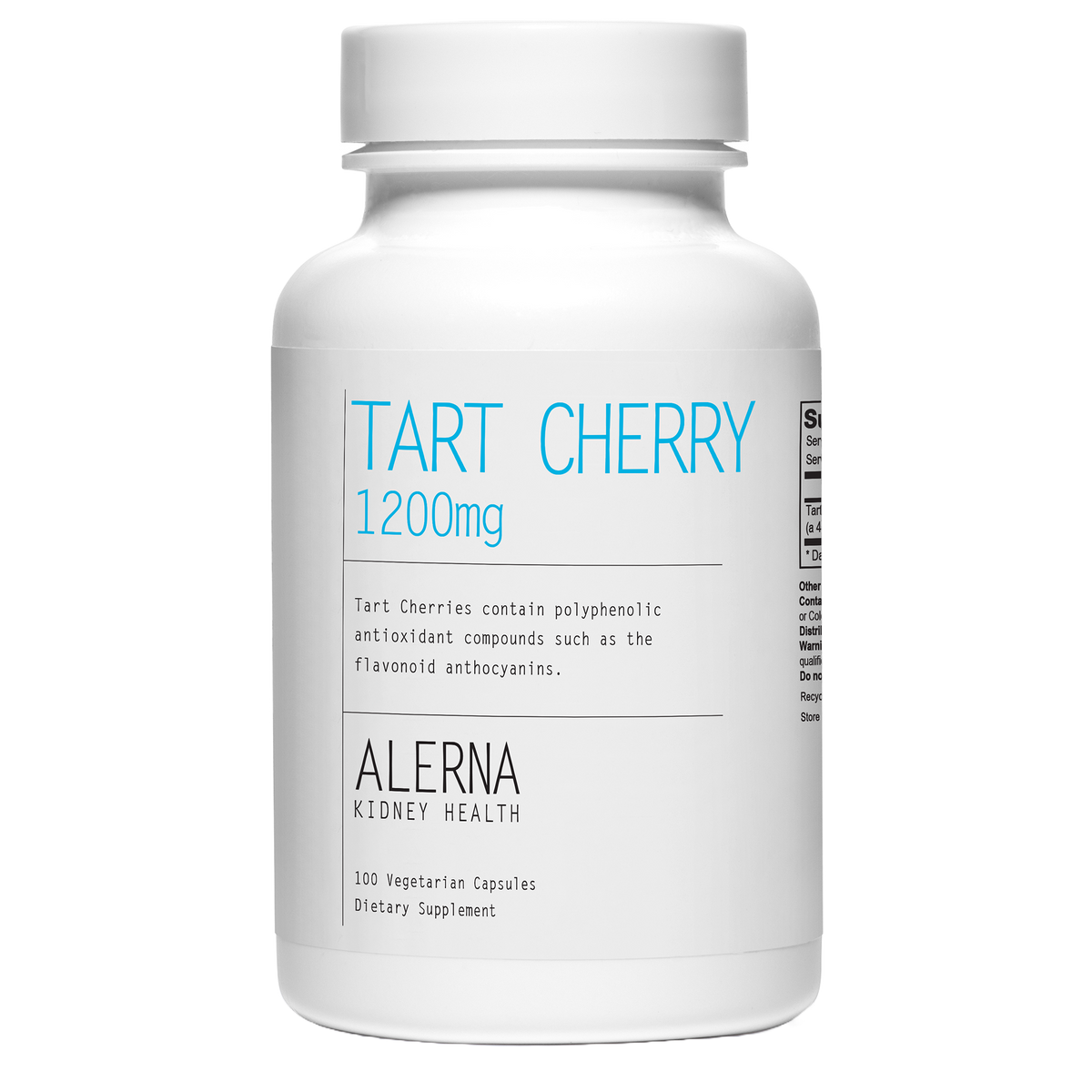
What Are Normal Blood Calcium Levels?
Blood calcium levels are measured in milligrams per deciliter (mg/dL). Ranges vary a little between labs, so check the normal range printed on your report.
About 8.5 to 10.5 mg/dL for Most Adults
A serum calcium level of about 8.5 to 10.5 mg/dL is normal for most adults, and hypercalcemia occurs when your level climbs above that range. Most tests measure total calcium, and part of that number depends on a protein called albumin, so very low or high albumin can make the result look off. Doctors may order an ionized calcium test, which measures only the free calcium your body uses, for a more exact reading.
Mild, Moderate, and Severe Ranges
Doctors group high blood calcium levels by how far they rise. Mild hypercalcemia is up to 12 mg/dL, moderate is between 12 and 14 mg/dL, and severe is above 14 mg/dL. Speed matters too. A rapid onset can cause symptoms even when the number shows only a mild elevation.
Blood Calcium Levels at a Glance
| Classification | Blood Calcium Level | What It Means |
|---|---|---|
| Normal | 8.5–10.5 mg/dL | Generally within the expected range for most adults. |
| Mild Hypercalcemia | Above the normal range but below 12 mg/dL | Often causes no noticeable symptoms but requires medical follow-up. |
| Moderate Hypercalcemia | 12–14 mg/dL | May cause fatigue, nausea, excessive thirst, and frequent urination. Requires prompt medical attention. |
| Severe Hypercalcemia | Above 14 mg/dL | May affect kidney, heart, and brain function. Requires immediate medical attention. |
What Causes High Calcium in Blood?
The most common cause of hypercalcemia is overactive parathyroid glands, and cancer comes next. Together they account for about 9 in 10 cases. Less common causes of hypercalcemia include medical conditions such as sarcoidosis, an overactive thyroid gland, adrenal insufficiency, and other endocrine disorders, while long bed rest, dehydration, or even a laboratory error can push a single reading up.
Overactive Parathyroid Glands
Your four parathyroid glands are pea-sized glands that sit on or near the thyroid gland in your neck. They make parathyroid hormone (PTH), which tells bones to release calcium, helps the digestive tract absorb calcium from food, and controls how much calcium the kidneys let go. In primary hyperparathyroidism, one or more glands make too much parathyroid hormone, and the National Institute of Diabetes and Digestive and Kidney Diseases reports that about 80% of cases come from a noncancerous growth on a single gland.
This is the top cause in people who aren't in the hospital, and women are affected about three times as often as men, especially postmenopausal women. Over time, excess PTH pulls calcium out of the skeleton, which can lead to bone loss and, in rare long-standing cases, bone cysts.

Certain Cancers
Hypercalcemia of malignancy happens when cancer drives calcium up. Some tumors release PTH-related protein (PTHrP), a substance that acts like parathyroid hormone, while others spread to bone and break it down. Lung cancer, breast cancer, and multiple myeloma are common examples. This is the leading cause in hospitalized patients, and it usually shows up in people who already know they have cancer.
Too Much Vitamin D or Calcium
Supplements can raise calcium levels, too. Too much vitamin D, usually from taking excessive vitamin D doses for months, makes your body absorb more calcium than it needs. NIDDK notes that most people shouldn't take more than 4,000 international units (IU) of vitamin D a day. Taking too much calcium, especially from calcium supplements or calcium carbonate antacids, can cause milk-alkali syndrome, which raises calcium and can harm the kidneys.
Bring a list of every vitamin and supplement you take to each doctor visit. Excessive intake is one of the easiest causes to fix once someone spots it.
Medicines and Chronic Renal Failure
Certain medications can push calcium up. Thiazide diuretics, a common type of water pill for high blood pressure, usually cause only a mild elevation, while lithium can make the parathyroid glands release more parathyroid hormone.
Chronic renal failure, an older term for advanced chronic kidney disease, more often lowers calcium, but it can raise it in some cases. Years of kidney disease can lead to tertiary hyperparathyroidism, when the glands keep making too much hormone on their own, and this can continue after a kidney transplant. Calcium-based medicines and some forms of vitamin D used in kidney care can also play a role.
MAKE EVERY SUPPLEMENT CHOICE COUNT
What you include in your supplement routine matters. Alerna's Tart Cherry features tart cherry extract for everyday antioxidant support. Explore the formula, review the ingredients with your healthcare provider, and make informed choices that align with your personal wellness goals.
Explore Tart Cherry SupportWhat Are the Symptoms of High Calcium?
In the early stage, mild hypercalcemia often causes no symptoms. Many people only learn about it from a blood test done for another reason.
When symptoms of hypercalcemia do show up, they often include:
Strong thirst and frequent urination
Constipation
Nausea, vomiting, or belly pain
Poor appetite
Bone pain or aches
Muscle weakness, since calcium affects muscle function
Tiredness
Confusion, low mood, or trouble thinking clearly
Doctors remember these clinical manifestations as “stones, bones, groans, and moans.” That stands for kidney stones, bone pain, belly trouble, and changes in mood or thinking.
When Is High Calcium Serious?
High calcium turns serious when levels climb high or fast, or when organs start to feel it. Over time, even mild cases can strain the kidneys and hurt bone health.
Very High or Fast-Rising Levels
Severe hypercalcemia, above 14 mg/dL, often needs hospital care with intravenous (IV) fluids and medicines that slow the loss of calcium from bone. A fast rise can cause severe symptoms at lower numbers, because the body's ability to adjust can't keep up.
Kidney Stones and Kidney Damage
The kidneys filter extra calcium out of the blood, and that calcium can form kidney stones. High calcium also makes the kidneys lose water, which leads to thirst, frequent urination, and dehydration that can push calcium even higher. Over time, calcium deposits in the kidneys can lower kidney function, and severe cases can lead to kidney failure.
Heart and Brain Effects
Very high calcium can disturb heart rhythm and brain function, causing an irregular heartbeat, confusion, or extreme sleepiness. Severe cases can lead to coma. Call 911 or go to the emergency room (ER) for confusion, fainting, a racing or irregular heartbeat, or vomiting that won't stop.

How Do Doctors Find the Cause?
One high reading isn't a diagnosis. Doctors usually confirm it first, then work through a differential diagnosis, a short list of possible causes, to find the source.
Repeat Calcium and Albumin Tests
A repeat blood test checks calcium and albumin together, which rules out a lab mix-up or a false high caused by albumin. An ionized calcium test may be added for a clearer picture.
Parathyroid Hormone and Vitamin D Tests
PTH levels are the key clue. High or normal PTH alongside a high calcium level points to parathyroid disease, while low PTH points to other causes, such as cancer or too much vitamin D. Doctors may also check vitamin D levels, PTH-related protein, or other blood tests that screen for multiple myeloma.
Urine Tests and Imaging
A 24-hour urine calcium test helps separate primary hyperparathyroidism from familial hypocalciuric hypercalcemia (FHH), an inherited condition that usually needs no treatment, so a family history of high calcium is an important clue. Doctors may also order a kidney ultrasound to look for stones and neck scans to find an overactive gland.
Treatment depends on the underlying condition. It may mean stopping a supplement, changing a medicine, treating cancer, or parathyroid surgery to remove an overactive gland, which NIDDK reports cures primary hyperparathyroidism in more than 95% of operations by experienced surgeons. Some people with mild cases don't need to undergo surgery right away and can be safely monitored instead, while people with FHH should not have surgery at all.
TAKE CHARGE OF YOUR EVERYDAY WELLNESS
Better wellness starts with informed choices and consistent daily habits. Stay on top of your health checkups, review your supplement routine, and prioritize your long-term well-being. If your healthcare provider confirms it's appropriate for you, make Alerna's Tart Cherry part of your daily antioxidant routine.
Shop Alerna's Tart Cherry TodayFlagged High? What Now?
High calcium in the blood is often silent, usually traceable, and worth checking early, before it affects your kidneys or bones. Most cases trace back to an overactive parathyroid gland, cancer, a supplement, or a medicine, and the right blood tests can tell which one applies to you.
If you take a daily supplement for general wellness, choose one that isn't a calcium or vitamin D product unless your doctor recommends it. Alerna's Tart Cherry is made with tart cherry extract for everyday antioxidant support, and like everything else you take, it belongs on your list. Call your doctor about a repeat test, bring that list of every supplement and medicine you take, and go to the ER for confusion or an irregular heartbeat.
Frequently Asked Questions
What level of calcium is dangerous?
A calcium level above about 14 mg/dL is considered severe hypercalcemia and often needs hospital care, and levels from 12 to 14 also need prompt attention, especially with symptoms.
Can dehydration cause high calcium in blood?
Dehydration can push blood calcium up slightly by concentrating the blood, and high calcium also makes you lose water, which can make the problem worse.
Can diet cause high calcium in blood?
Food alone rarely causes high calcium, since calcium supplements, calcium antacids, and high-dose vitamin D are more common culprits, so don't cut dairy without talking to your doctor first.
Is high calcium a sign of cancer?
High calcium can be linked to cancer, but an overactive parathyroid gland is the more common cause, and cancer-related high calcium usually shows up in people already diagnosed with cancer.
Can high calcium go away on its own?
A high calcium level can return to normal once a short-term trigger, like dehydration or a supplement, is removed, but high calcium that stays usually needs treatment of the underlying cause.
Medical Disclaimer:
The information provided in this article is for educational and informational purposes only and should not be considered a substitute for professional medical advice, diagnosis, or treatment. Please consult with your healthcare provider before starting any new dietary supplement, especially if you are pregnant, nursing, have a medical condition, or are taking other medications. Never disregard professional medical advice or delay in seeking it because of something you have read in this article.
References
Banu, S., et al. (2021). Malignant and non-malignant causes of hypercalcemia: A retrospective study at a tertiary care hospital in Pakistan. Cureus, 13(6), Article e15845. https://doi.org/10.7759/cureus.15845
Harvard Health Publishing. (2026, April 2). Taking too much vitamin D can cloud its benefits and create health risks. Harvard Medical School. https://www.health.harvard.edu/diet-and-nutrition/taking-too-much-vitamin-d-can-cloud-its-benefits-and-create-health-risks
Helbing, A., et al. (2026, January 31). Primary hyperparathyroidism. In StatPearls. StatPearls Publishing. https://www.ncbi.nlm.nih.gov/books/NBK441895/
National Institute of Diabetes and Digestive and Kidney Diseases. (2012). Primary hyperparathyroidism (NIH Publication No. 12-3425). U.S. Department of Health and Human Services, National Institutes of Health. https://www.niddk.nih.gov/-/media/Files/Endocrine-Diseases/Primary_Hyperparathyroidism_508.pdf
Omotosho, Y. B., & Zahra, F. (2023, April 27). Resistant hypercalcemia. In StatPearls. StatPearls Publishing. https://www.ncbi.nlm.nih.gov/books/NBK572109/


