


Imagine waking up in the middle of the night to a knee that feels practically on fire. This sudden warmth and stiffness is terrifying if you do not know what is happening. In most cases, gout occurs when high blood uric acid levels trigger a painful inflammatory process throughout the body. Specifically, primary gout leads directly to gouty arthritis of the knee and severe joint pain.
People experiencing early gout often find it strikes without warning. This makes simple tasks like walking across the room incredibly difficult. Medical professionals note that lowering uric acid levels remains a highly effective way to prevent gout attacks and rheumatic diseases.
Alerna Kidney Health provides trusted resources and holistic solutions to help you naturally maintain healthy uric acid levels. If you want to protect long-term mobility, recognizing the early signs of acute gouty arthritis is the crucial first step.
BUILD A SMARTER ROUTINE FOR KNEE AND JOINT WELLNESS
A hot, stiff knee can disrupt your entire day. Add Uric Acid Support to a proactive routine guided by healthy habits and professional care.
Explore Uric Acid Support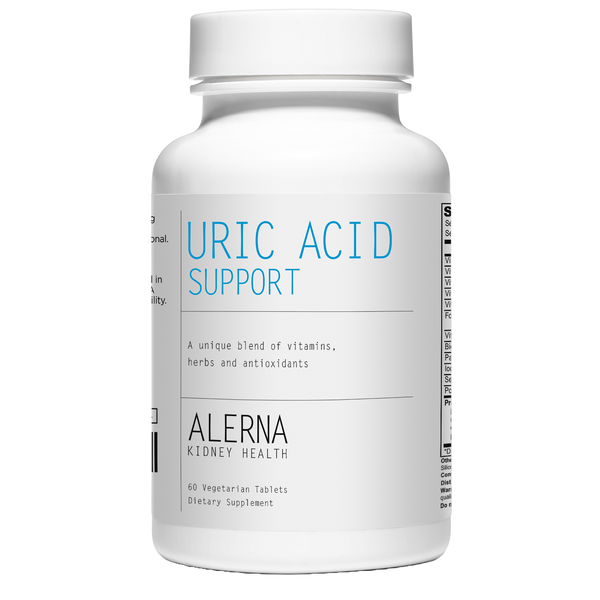
How Does Uric Acid Affect the Knee?
Uric acid affects the knee by forming sharp monosodium urate crystals inside the joint space. This accumulation process triggers specific, painful physical changes within the joint. Left untreated, excess uric acid ultimately leads to severe joint inflammation and lasting soft tissue damage.
Microscopic Crystal Buildup
When the body ramps up uric acid production, tiny urate crystals begin gathering in the synovial fluid that lubricates the knee. These jagged uric acid crystals constantly irritate the surrounding soft tissues, causing a rapid increase in the white blood cell count right at the site of the joint. The moment white blood cells decide to attack this microscopic crystal buildup, you experience a painful acute gout attack. Specific risk factors, such as unique genetic factors or a strong genetic predisposition, increase the risk of developing gout in some individuals compared to others. This explains why acute gout rarely feels the same for everyone.
Sudden Localized Warmth
The body's rapid immune response causes a sudden, localized warmth around the kneecap. Blood rushes to the affected area during acute flares, making the skin feel hot to the touch. This extreme, radiating heat signals that a crystal-induced arthritis flare is actively happening. Doctors must carefully distinguish this specific type of heat from other serious conditions, such as rheumatoid arthritis or calcium pyrophosphate deposition disease, to provide appropriate care.

What Are the Early Physical Signs?
The early physical signs of gout in the knee usually include visible swelling, intense heat, and severe pain. Medical imaging sometimes reveals subclinical tendon involvement suggestive of early crystal buildup, which strongly suggests an impending acute attack. Recognizing sudden shifts in knee mobility helps individuals take proactive steps:
Noticeable stiffness after waking up
Visible redness over the kneecap
Extreme sensitivity to light touch or pressure
How Can Someone Support Joint Comfort?
You can support overall joint comfort by flushing out excess serum urate levels and making smart dietary changes. Maintaining an active lifestyle requires consistent daily habits and genuine nutritional awareness. Pairing a low-purine diet with holistic joint support products from Alerna Kidney Health provides a strong foundation for managing gout effectively.
Optimal Daily Hydration
When the body has too much uric acid, drinking plenty of water daily helps the kidneys process it safely. Consistently good hydration lowers the overall risk of gout and helps prevent the formation of incredibly painful kidney stones. Regularly flushing the system helps maintain stable blood pressure and supports long-term recovery from renal impairment. Proper hydration also makes a massive difference during early treatment and ongoing gout management routines.
Low-Purine Nutritional Choices
Avoiding sugary drinks high in fructose corn syrup and skipping heavy organ meats will naturally lower uric acid. Losing weight safely and adopting smart dietary changes help most gout patients reduce their serum uric acid levels. People taking low-dose aspirin for heart health, or those who tolerate allopurinol well, should also try to consume more vitamin C daily. Building these healthy eating habits helps prevent severe complications like chronic tophaceous gout and saturnine gout.
TAKE THE NEXT STEP FOR LONG-TERM JOINT WELLNESS
Do more than react when discomfort appears. Choose Alerna Uric Acid Support and build a proactive routine you can follow every day.
Start Your Daily RoutineWant to Protect Joint Mobility Naturally?
Protecting joint mobility requires you to manage serum uric acid proactively before intense pain strikes. Ignoring early signs of musculoskeletal and skin diseases allows chronic gout and calcified gouty tophi to permanently damage the knees.
Getting a definitive diagnosis of gout often involves an advanced scan, such as dual-energy computed tomography, to detect hidden monosodium urate. A proper diagnosis ensures you receive the right care for the specific symptoms. Once you get gout diagnosed properly, a physician might suggest nonsteroidal anti-inflammatory drugs for immediate, temporary relief.
You must take control of your joint, bone, and spine health today to avoid debilitating gout flares. Because common skin conditions can sometimes complicate the clinical diagnosis of gout, seeking early professional medical attention is vital.
Explore the uric acid support option at Alerna Kidney Health to keep the knees moving freely. Act now to maintain healthy serum uric acid levels and secure an active lifestyle for years to come.
Frequently Asked Questions
Can Gout Affect the Knee Joint?
Yes, gout can directly affect the knee when sharp uric acid crystals accumulate in the joint space, triggering a severe acute attack.
What Triggers Knee Gout Flare-Ups?
High uric acid triggers these flare-ups, which are frequently worsened by rare genetic disorders, underlying metabolic syndrome, or eating purine-rich foods.
Does Ice Help a Gouty Knee?
Applying ice actively reduces joint inflammation and provides temporary relief while doctors diagnose gout or rule out calcium pyrophosphate deposition.
How Long Does Knee Discomfort Last?
An untreated inflammatory arthritis flare typically lasts one to two weeks before the severe joint pain finally subsides.
Can Walking Aggravate Knee Gout?
Walking places unnecessary pressure on the inflamed knee and can easily worsen soft-tissue damage during acute treatment.
Medical Disclaimer:
The information provided in this article is for educational and informational purposes only and should not be considered a substitute for professional medical advice, diagnosis, or treatment. Please consult with your healthcare provider before starting any new dietary supplement, especially if you are pregnant, nursing, have a medical condition, or are taking other medications. Never disregard professional medical advice or delay in seeking it because of something you have read in this article.
References
Menon, S. G., Rednam, M., Gujarathi, R., [additional authors]. (2026). Gout. In StatPearls. StatPearls Publishing. https://www.ncbi.nlm.nih.gov/books/NBK546606/
National Institute of Arthritis and Musculoskeletal and Skin Diseases. (2023, December). Gout. U.S. Department of Health and Human Services. https://www.niams.nih.gov/health-topics/gout


