


Table of Contents
Most bubbles in the toilet mean nothing. The ones that stick around might. Foam that keeps coming back can be one of the few visible symptoms and signs of kidney problems, since early kidney disease often causes no other symptoms. Chronic kidney disease affects more than 1 in 7 U.S. adults, and the Centers for Disease Control and Prevention estimates up to 9 in 10 don't know it.
Alerna Kidney Health shares research-based guides so you can spot changes early and bring better questions to your doctor. Knowing which foam needs a test can lead to early detection, when treatment helps most.
PROACTIVE SUPPORT BEYOND THE BUBBLES
Noticed something unusual in the bowl and searching for answers? While you learn what your urine can tell you about your health, it's the perfect time to build a strong foundation. Alerna's Uric Acid Support is expertly crafted with tart cherry and turmeric to help you establish a proactive daily wellness routine.
Shop Uric Acid Support Now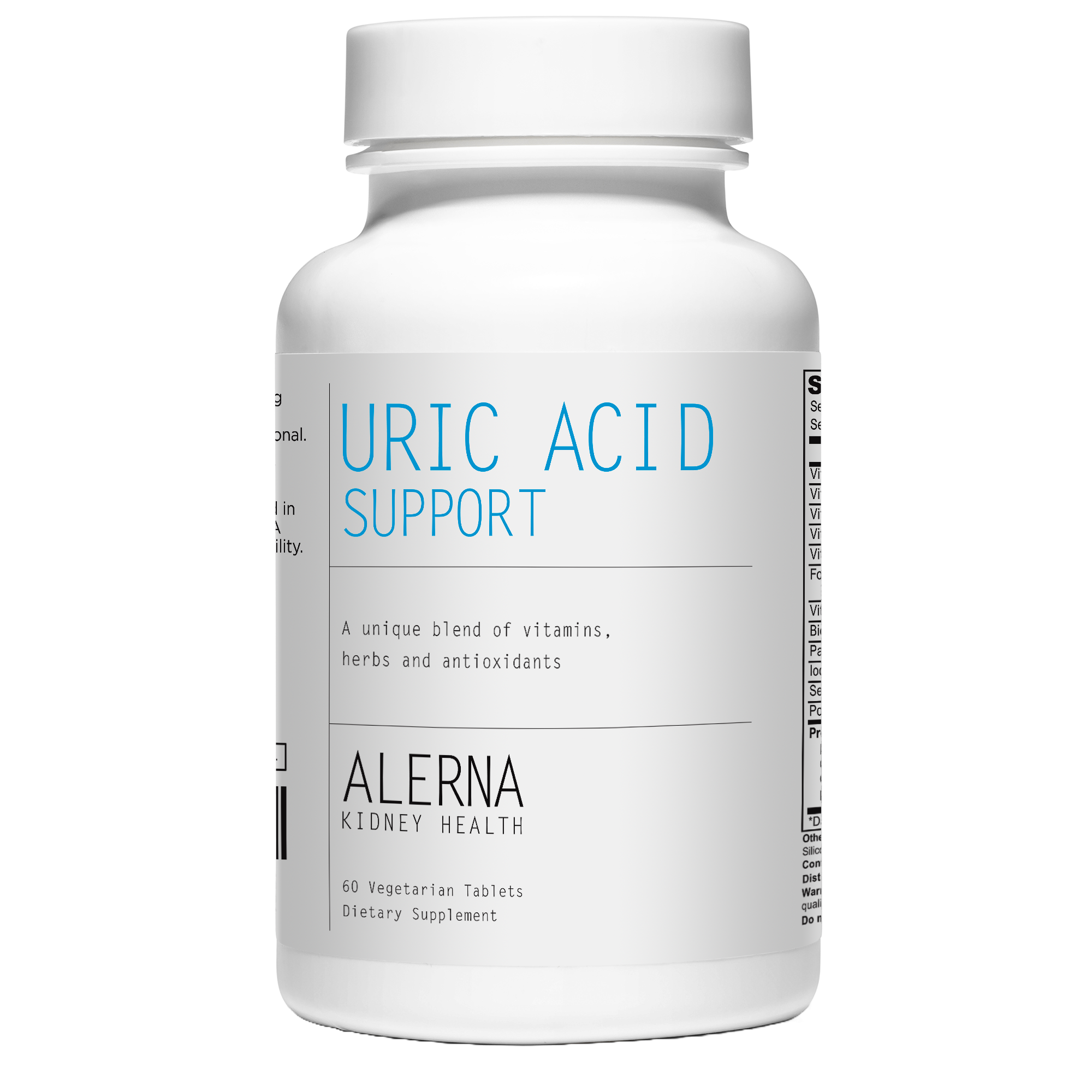
What Causes Foamy Urine?
Foam forms when urine hits the water with force or carries extra substances, such as protein. Most of the time, the cause is harmless.
Harmless Everyday Causes
Bubbles that fade quickly often come from:
A full bladder and a fast, forceful stream
Concentrated urine from not drinking enough
Cleaning products in the toilet bowl
Semen in the urine in men, such as after sex
Protein Leaking into the Urine
Healthy kidneys filter your blood but keep protein, mainly albumin, where it belongs. When the tiny filters are damaged, protein slips into the urine and holds bubbles in place, much like soap does. Protein can also show up for a short time after hard exercise, a fever, or stress, which is why one test isn't enough for a diagnosis.

Is Foamy Urine a Sign of Kidney Disease?
Foamy urine can point to kidney disease, but only some of the time. Foam that shows up again and again is the kind worth checking.
Foam That Keeps Coming Back
Kidney-related foam tends to appear most days and linger in the bowl. The National Kidney Foundation notes that bubbles needing several flushes to clear may point to protein in the urine. A common rule of thumb is foam that's still there several minutes later, though doctors don't use a set time cutoff. This kind of foam sticks around even after you drink more water, and it may come with facial swelling or swollen ankles.
Clear-looking urine doesn't rule anything out, though. Protein can be present without visible foam, so a urine test is the only way to know.
An Early Clue to Chronic Kidney Disease
Protein in the urine is often an early warning sign of chronic kidney disease (CKD), and it can show up before blood tests change. Diabetes and high blood pressure are the leading causes, since both damage the tiny blood vessels that filter your blood. Very heavy protein loss with major swelling can point to nephrotic syndrome, a condition that needs prompt medical care.
MAINTAIN A HEALTHY BALANCE EVERY SINGLE DAY
You’ve just read how hard your system works to filter out waste and keep everything balanced. Give your body the daily backing it deserves! Incorporating our premium Uric Acid Support blend into your lifestyle is a strategic, simple way to maintain optimal wellness day in and day out.
Get Daily SupportWhat Are Other Signs of Kidney Problems?
Early kidney disease often causes no symptoms at all. Understanding kidney function explains why signs show up later: healthy kidneys remove waste and extra fluid, help regulate blood pressure, and make a hormone called erythropoietin that drives red blood cell production. Because kidneys play so many roles, declining kidney function can show up in places you might not expect.
As the kidneys lose more of that work, signs may include:
Swollen ankles, feet, legs, or hands from fluid retention
Facial swelling, especially puffiness around the eyes in the morning
Feeling tired or weak, often because the body makes fewer red blood cells
Trouble concentrating or trouble sleeping
Dry, itchy skin
Muscle cramps
Poor appetite, nausea, or other gastrointestinal symptoms, sometimes with weight loss
Shortness of breath when excess fluids build up
Many of these signs show up in advanced kidney disease and overlap with other conditions, such as heart disease or liver disease. Testing tells you more than waiting for symptoms.
When Should You See a Doctor?
How soon depends on what comes with the foam. Ongoing foam on its own calls for a routine visit, while certain symptoms need care the same day.
A Routine Visit for Ongoing Foam
Book a visit if foam keeps showing up for more than a few days, even after drinking more water. Foam alone can't confirm kidney issues, so a proper diagnosis takes a medical evaluation with blood and urine tests. Make it a higher priority if you have risk factors such as diabetes, high blood pressure, heart disease, or a family history of kidney failure, or if you're over 60.
Same-Day Care for Signs of Kidney Failure
Get care the same day for very little urine, sudden swelling, shortness of breath, confusion, or nausea and vomiting. Call 911 for chest pain or severe trouble breathing.
Kidney failure, also called renal failure, means the kidneys can no longer filter blood well enough to keep you healthy. It can happen suddenly, or it can be the last stage of chronic kidney disease, called end-stage kidney disease, when the kidneys work at less than 15% of normal. People with end-stage kidney failure need dialysis or a kidney transplant, and advanced damage can also lead to anemia and bone disease.

How Do Doctors Check Kidney Function?
Two simple tests do most of the work. One checks urine, and the other checks blood.
A Urine Test for Protein
The urine albumin-to-creatinine ratio (UACR) compares the albumin in a urine sample with creatinine, a normal waste product. Under 30 mg/g is normal. A result of 30 or higher may signal kidney damage and is usually repeated to confirm, since exercise or illness can raise it for a short time. For people with diabetes, it's a routine test done at least once a year.
A Blood Test for eGFR
The estimated glomerular filtration rate (eGFR) uses a blood test for creatinine to estimate how well your kidneys filter. An eGFR below 60 for three months or more suggests chronic kidney disease, and below 15 means kidney failure. Your doctor may also order imaging tests, such as ultrasound or CT scans, to look at the kidneys or check for blockages from kidney stones or an enlarged prostate. Ask your doctor how often you should be tested.

What Happens If Tests Show Kidney Damage?
Your doctor will focus on slowing the damage, and early intervention can make a significant difference in how fast kidney disease progresses. Timely treatment usually centers on steps that help preserve kidney function and prevent further kidney damage, such as medicines to control blood pressure and blood sugar, checking blood pressure regularly, and keeping blood pressure levels in your target range.
Your care team may also suggest reaching a healthy weight, limiting certain medications that strain the kidneys, such as frequent use of some pain relievers, and adjusting how many protein-rich foods you eat. If you need to lose weight or change your diet, a doctor or dietitian can set safe targets. A kidney specialist, called a nephrologist, may join your care if kidney function declines over time.
EMPOWER YOUR WELLNESS JOURNEY RIGHT NOW
Staying informed about your health markers is the first step, but taking daily action is what keeps you moving forward. Enhance your everyday regimen with Alerna's Uric Acid Support to proactively maintain a healthy, well-supported system. Take control of your daily routine and feel your best!
Claim Your Uric Acid SupportStill Seeing Bubbles?
Occasional foam is normal and usually harmless. Foam that keeps coming back, especially with swelling or risk factors like diabetes or high blood pressure, is worth a urine test, because early detection and proper treatment give you the best chance to protect your kidney health and overall health.
If your tests come back normal and you want everyday wellness support, Alerna Uric Acid Support combines tart cherry, turmeric, and antioxidant vitamins, but anyone with kidney disease should check with a doctor before starting any supplement. If the foam keeps showing up, book a visit this week and ask for a urine albumin test and an eGFR.
Frequently Asked Questions
What does foamy urine look like?
Foamy urine has thick, white bubbles that stay on the water after you finish, a bit like the head on a beer, while normal bubbles are larger and clear quickly.
Can dehydration cause foamy urine?
Concentrated urine from dehydration can foam more than usual, and if the foam fades once you drink more water, dehydration was likely the cause.
What does protein in urine mean?
Protein in urine means the kidney filters may be letting protein slip through, which can happen briefly after exercise or a fever, but protein that stays may point to kidney damage.
Does diabetes cause foamy urine?
Over time, diabetes can damage the kidneys and let protein into the urine, which is why people with diabetes are usually advised to get kidney tests every year.
What are the first signs of kidney problems?
In the early stages, the signs of kidney problems usually show up only on tests, such as protein in the urine or a lower eGFR, while visible signs like foam or swelling tend to come later.
Medical Disclaimer:
The information provided in this article is for educational and informational purposes only and should not be considered a substitute for professional medical advice, diagnosis, or treatment. Please consult with your healthcare provider before starting any new dietary supplement, especially if you are pregnant, nursing, have a medical condition, or are taking other medications. Never disregard professional medical advice or delay in seeking it because of something you have read in this article.
References
Centers for Disease Control and Prevention. (2024, May 15). Chronic kidney disease basics. U.S. Department of Health and Human Services. https://www.cdc.gov/kidney-disease/about/index.html
National Institute of Diabetes and Digestive and Kidney Diseases. (2024, September). Kidney disease statistics for the United States. U.S. Department of Health and Human Services, National Institutes of Health. https://www.niddk.nih.gov/health-information/health-statistics/kidney-disease
National Kidney Foundation. (2022, October 27). What your urine says about your kidney health. https://www.kidney.org/news-stories/what-your-urine-says-about-your-kidney-health


