


Table of Contents
Two cherry supplements can sit side by side on a shelf, look almost identical, and come from completely different trees. Black cherry extract usually comes from wild black cherry or dark sweet cherries. Tart cherry extract comes from sour cherries, mostly the Montmorency variety, and has far more human research behind it.
Labels don't always make the source clear. At Alerna Kidney Health, we believe a good supplement choice starts with knowing exactly which plant is inside. A few clues on the label make the difference easy to spot before your first purchase.
QUICK GLANCE
Black Cherry Extract vs. Tart Cherry Extract
Black cherry extract is sweeter and has little human research behind it. Tart cherry extract is sour, comes mostly from Montmorency cherries, and has far more human research.
| Feature | Black Cherry Extract | Tart Cherry Extract |
|---|---|---|
| Plant | Prunus serotina (wild black cherry) or Prunus avium (dark sweet cherry) | Prunus cerasus (sour cherry) |
| Main variety | Wild black cherry or Bing-type sweet cherries | Montmorency, about 98% of the U.S. crop |
| Color | Dark purple to nearly black | Bright red |
| Taste | Sweet and deep | Sharp and sour |
| Plant compounds | Anthocyanins and other polyphenols | Anthocyanins and other polyphenols, in a different mix |
| Human research | Little, mostly lab and animal studies | Dozens of human studies, including exercise recovery and sleep |
| Common forms | Juice concentrate and capsules | Capsules, powder, juice, and dried fruit |
| Sugar | Juice concentrates can have about 16 grams per 2 tablespoons | Capsules and powders are usually sugar-free |
| Best fit | People who want a sweeter cherry taste | People who want the most-studied option |
| Label clue | Look for Prunus serotina or Prunus avium | Look for Montmorency or Prunus cerasus |
KNOW WHICH CHERRY IS IN YOUR DAILY ROUTINE
Black cherry and tart cherry may look similar on the shelf, but their sources and research differ. If you prefer a clearly identified tart cherry option, Alerna Tart Cherry makes it simple to add concentrated cherry extract to a proactive daily wellness routine.
Shop Alerna Tart Cherry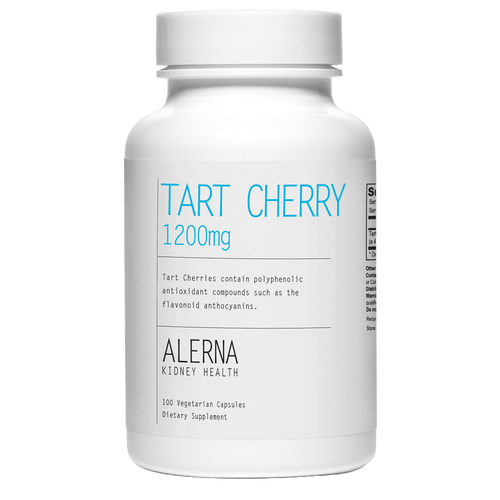
What Is Cherry Extract?
Cherry extract is a concentrated form of cherries. The same two words, though, show up on supplement bottles and on baking shelves, and the two products do different jobs.
A Concentrated Form of the Fruit
Supplement makers dry the cherries or pull out plant compounds with water or alcohol. What's left becomes a powder, capsule, or liquid with most of the water and sugar removed.
Labels may list a ratio like 10:1, which means 10 pounds of fresh fruit went into 1 pound of extract. A ratio hints at concentration, not quality, and it says nothing about which cherry was used.
Natural Cherry Extract vs. Cherry Flavor
A baking extract adds taste, while a supplement extract is made to deliver plant compounds. Much of the cherry flavor in soda, candies, and many baking extracts comes from benzaldehyde, the same compound behind imitation almond extract.
Even "natural flavors" can surprise you. Natural benzaldehyde is often made from cassia, a type of cinnamon, instead of cherries. If cherries matter to you, look for them in the ingredient list instead of trusting "natural cherry" on the front.
Cherry Extract for Baking
Cherry extract for baking usually comes in a 1- or 2-fluid-ounce (fl oz) bottle of cherry flavor dissolved in ethyl alcohol and water. Imitation versions often use propylene glycol and sometimes citric acid, while natural cherry extract has a softer, more natural taste. A few drops add cherry flavor to pies, cakes, muffins, fudge, and cocktails. It also makes a glaze more flavorful and works in sauces for savory applications like pork.
Many recipes start with half a teaspoon, since too much turns a delicious dessert bitter. Stir it in with the eggs and other wet ingredients so it blends evenly during mixing. Pair it with vanilla, chocolate, or blueberry to give desserts a bold flavor without extra sugar, especially when fresh cherries are out of season. For storage, store the bottle tightly capped in a cool, dark place, away from direct sunlight and heat.

Where Does Black Cherry Extract Come From?
Black cherry extract sounds simple, but the name can point to two different trees. The Latin name on the label is the fastest way to tell them apart.
Often from Wild Black Cherry
Many black cherry capsules and juice concentrates use Prunus serotina, a wild tree native to North and Central America. The fruit is edible, but the pits, leaves, and bark contain compounds that can release cyanide. Few studies have looked at the fruit itself, and most of that research comes from lab or animal work.
Sometimes from Dark Sweet Cherries
Other black cherry products use dark sweet cherries, Prunus avium, the same species as the Bing cherries sold fresh at the store. Some "black cherry" juices are simply dark sweet cherry juice. Neither name is wrong, but the fruits differ, so check the Latin name before you buy.
CHOOSE THE CHERRY EXTRACT WITH A CLEARER IDENTITY
You now know why the cherry species, supplement form, and label details matter. Alerna Tart Cherry gives you a straightforward way to include tart cherry extract in your routine without relying on sweet juice concentrates or vague front-of-bottle claims.
Explore Alerna Tart CherryWhat Is Tart Cherry Extract?
Tart cherry extract comes from Prunus cerasus, the sour cherry. In the United States, one variety dominates the harvest, and it also leads the research.
Made Mostly from Montmorency Cherries
Montmorency tart cherries make up about 98% of the U.S. tart cherry crop, and Michigan grows roughly 70% of it. These bright red, sour cherries are the classic pie cherries behind a homemade cherry pie. Balaton is another variety.
Tart cherries also come as whole foods, like dried or frozen fruit, which work well in smoothie recipes.
The Most Studied Cherry Supplement
Tart cherry has far more human research than black cherry, with dozens of studies in areas like exercise recovery and sleep. A 2021 review in the International Journal of Sport Nutrition and Exercise Metabolism pooled the exercise studies. It found tart cherry was linked to faster recovery of muscle strength after hard workouts.
Results still vary by dose, form, and the people studied, so muscle recovery findings from one study won't apply to everyone. When you read about this research, check the published date, since newer studies can change the picture.

How Do Black Cherry and Tart Cherry Extract Differ?
Black cherry and tart cherry extract come from the same plant family, but they differ in species, taste, color, and research. The similarities fade fast once you compare them:
Plant: Black cherry comes from Prunus serotina or Prunus avium. Tart cherry comes from Prunus cerasus.
Cherry flavor: Black cherry tastes sweet and deep. Tart cherry has a sharp, sour bite.
Color: Black cherries range from dark purple to nearly black. Montmorency cherries are bright red.
Plant compounds: Both contain anthocyanins and other polyphenols, which are antioxidant compounds, in different mixes.
Research: Tart cherry has many human trials. Wild black cherry fruit has little, and most of it is lab or animal work.
Common forms: Black cherry is often sold as juice concentrate or capsules. Tart cherry comes as capsules, powder, juice, and dried fruit.

Which Cherry Extract Fits Your Routine?
The right choice depends on what matters most to you: taste, research, or a simple formula. Customers often grab whichever bottle costs less, but the label tells you more than the price does.
Tart Cherry for a Well-Studied Choice
Tart cherry is the better fit if you want the option with the most human research behind it. Capsules and powders are usually sugar-free, and the label should name Montmorency tart cherries or Prunus cerasus. If you have health concerns or take medication or other supplements, check with your doctor first.
Black Cherry for a Sweeter Taste
Black cherry suits people who mostly want a sweet, rich cherry taste. It's usually sold as juice concentrate, so watch the sugar. Some black cherry concentrates have about 16 grams in a 2-tablespoon serving.
Blends with Other Extracts
Some formulas pair cherry with other extracts like turmeric, celery seed, or quercetin. Alerna's Uric Acid Support, for example, pairs tart cherry with celery extract, turmeric, and quercetin.
If a label lists a "proprietary blend," the maker only has to show the total weight of the blend, not how much of each ingredient is inside. Notes like vegan, gluten-free, or non-GMO (made without genetically modified organisms) can point to clean ingredients. They don't tell you which cherry is inside or how much of it you're getting.
MAKE TART CHERRY PART OF YOUR DAILY WELLNESS ROUTINE
Now that you know how black cherry and tart cherry differ, use that knowledge when choosing your next supplement. Add Alerna Tart Cherry to your routine for a convenient, plant-based way to support everyday wellness with clearly identified tart cherry extract.
Add Tart Cherry To Your RoutineWhich Cherry Is in Your Bottle?
"Black cherry" can mean wild black cherry or dark sweet cherries, while tart cherry extract usually comes from Montmorency tart cherries and has far more research behind it. The Latin name and the other ingredients on the label tell you which one you're holding.
If tart cherry suits your routine, Tart Cherry from Alerna Kidney Health offers tart cherry extract for plant-based antioxidant support and joint comfort in a simple vegetarian capsule. Check with your healthcare provider first, especially if you take medication. Grab the bottle in your cabinet and look for the Latin name today.
These statements have not been evaluated by the Food and Drug Administration. This product is not intended to diagnose, treat, cure, or prevent any disease.
Frequently Asked Questions
Is black cherry the same as tart cherry?
They're different fruits, since black cherry comes from wild black cherry or dark sweet cherries, while tart cherry comes from sour cherries like Montmorency.
Which is better, black cherry or tart cherry extract?
Neither one is better for everyone, but tart cherry extract has far more human research behind it, while black cherry products vary more depending on the source.
Is cherry extract the same as cherry juice?
Cherry extract concentrates the fruit's plant compounds and removes most of the water and sugar, while cherry juice keeps the natural sugar.
Can you take tart cherry extract every day?
Many tart cherry extract supplements are made for daily use, and Alerna's Tart Cherry directions call for one capsule three times daily, preferably with a meal.
Does tart cherry extract have side effects?
Studies generally find tart cherry well tolerated, though some people report an upset stomach, more often with juice, so check with your doctor if you take medication.
Medical Disclaimer:
The information provided in this article is for educational and informational purposes only and should not be considered a substitute for professional medical advice, diagnosis, or treatment. Please consult with your healthcare provider before starting any new dietary supplement, especially if you are pregnant, nursing, have a medical condition, or are taking other medications. Never disregard professional medical advice or delay in seeking it because of something you have read in this article.
References
Hill, J. A., Keane, K. M., Quinlan, R., & Howatson, G. (2021). Tart cherry supplementation and recovery from strenuous exercise: A systematic review and meta-analysis. International Journal of Sport Nutrition and Exercise Metabolism, 31(2), 154–167. https://doi.org/10.1123/ijsnem.2020-0145
McAlpine, M. (2026, May 23). After years of struggles, Michigan cherry industry pushes for a better future. WCMU. https://www.wcmu.org/local-regional-news/2026-05-23/after-years-of-struggles-michigan-cherry-industry-pushes-for-a-better-future
National Center for Biotechnology Information. (n.d.-a). NCBI Prunus avium annotation release 100 [Data set]. https://www.ncbi.nlm.nih.gov/refseq/annotation_euk/Prunus_avium/100/
National Center for Biotechnology Information. (n.d.-b). Prunus serotina (Taxonomy ID 23207) [Data set]. NCBI Datasets. https://www.ncbi.nlm.nih.gov/datasets/taxonomy/23207/


