


Table of Contents
Can grapes make gout worse, or are they safer than most people think? Many people living with gout type “grapes and gout” into a search bar because this fruit seems healthy but also a little risky. Grapes are packed with vitamins and plant compounds, yet they are also higher in natural fructose, which the body can turn into uric acid.
Gout happens when uric acid builds up and forms uric acid crystals in the joints, causing a painful form of inflammatory arthritis. Food choices play a big role in how often gout attacks show up, how intense gout symptoms feel, and how well uric acid levels stay under control. Grapes do not fit neatly into the “good” or “bad” box, which can be confusing when you are trying to plan a gout diet.
The goal here is to help you understand where grapes really fit, how they compare with other fruits, and how to enjoy them, if you choose to, without losing ground on managing gout.
TURN FRUIT CONFUSION INTO A SMARTER DAILY ROUTINE
Deciding how grapes fit into a gout-conscious diet can feel confusing when natural sugar and beneficial plant compounds are both part of the picture. Alongside mindful portions and balanced meals, Alerna Tart Cherry offers convenient antioxidant and joint wellness support for your proactive daily routine.
Start Your Tart Cherry Routine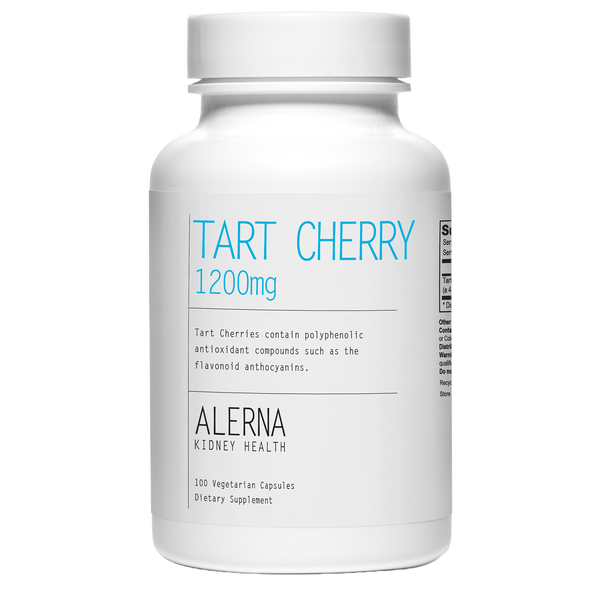
What Is Gout and How Does Diet Affect It?
Gout is a form of inflammatory arthritis that develops when uric acid builds up in the blood and forms sharp crystals inside the joints. These crystals can trigger sudden attacks of swelling, redness, and intense pain, often in the big toe, ankle, or knee. If uric acid stays high for a long time, it can also lead to kidney stones or long-term joint problems.
Diet affects gout because the body creates uric acid when it breaks down purines found in certain foods and drinks. Organ meats, some red meats, and alcoholic beverages contain higher purine levels and can make gout attacks more likely. Foods sweetened with high fructose corn syrup, as well as large amounts of natural fructose from certain fruits or juices, may also raise uric acid.
Carbohydrate choices matter as well. A diet high in sugary foods or refined carbohydrates can contribute to excess weight, which increases the risk of gout flares.
For people managing gout, the goal is to keep uric acid levels lower by choosing vegetables, low-purine foods, whole grains, low-fat dairy, healthy fats, and staying well-hydrated. These habits can support a healthier weight and help reduce the frequency of gout attacks.

Are Grapes Good for Gout?
Grapes can fit into a gout-friendly diet, but they are not the best fruit for keeping uric acid levels down. They are low in purines, which is helpful, but they also contain natural sugars like glucose and fructose. When the liver processes these sugars, especially fructose, it can create more uric acid. That is why people who are sensitive to fructose need to be careful with how much they eat.
Studies on grapes point out that their natural sweetness can raise blood sugar fairly quickly. When blood sugar rises fast, the body processes more fructose at once, and that can contribute to higher uric acid levels in some people with gout.
Fresh grapes still offer good nutrients, but large or frequent portions may add to the uric acid load. Smaller servings are a better fit, and many lower-sugar fruits are easier to eat regularly when trying to manage gout and reduce flare-ups.
Do Grapes Raise Uric Acid Levels?
Grapes can raise uric acid levels when eaten in large portions because their fructose is processed in the liver and can increase uric acid production. For people with gout, this extra load may trigger gout symptoms, especially if other risk factors are already present.
Whole grapes are the safest form, while grape juice and raisins raise uric acid faster. Juice has no fiber, so its sugar hits the bloodstream quickly, and raisins pack a large amount of fructose into a small bite.
Portion size makes the biggest difference. A small handful with a meal is usually fine, but large servings of grapes, big glasses of juice, or frequent snacking on raisins can push uric acid higher and raise the chance of gout flares.
Can Grapes Provide Benefits for Gout Sufferers?
Grapes can still offer small health benefits when eaten in controlled portions, especially as part of a balanced gout diet. Their nutrients support overall wellness, even if they are not the top choice for lowering uric acid.
Provide antioxidants like resveratrol and flavonoids that support anti-inflammatory pathways.
May help reduce general inflammation, which can support joint comfort over time.
Fit naturally into Mediterranean-style eating, a diet linked to better heart health and healthier weight control.
Add fiber, vitamins, and hydration that support overall nutrition when portions stay small.
Work best as a minor side food, adding variety without increasing sugar intake too much.

How Many Grapes Can You Safely Eat With Gout?
Most people with gout can handle a small serving of grapes, but portion size matters. Using Harvard Health’s general fruit-serving guidance, about one-half cup of grapes is a reasonable amount and is less likely to push uric acid levels up compared with larger servings.
It also helps to eat grapes with a meal instead of on their own. Pairing them with protein or healthy fats, such as nuts or plain yogurt, slows sugar absorption and may help prevent sharp rises in uric acid that can trigger gout flares.
Grape juice and raisins are different from whole grapes. Harvard notes that fruit juices offer fewer benefits because they are concentrated in sugar and low in fiber, and raisins pack a lot of fructose into a small bite. For people managing gout, these concentrated forms are more likely to raise uric acid and should be limited.
Keeping grapes in the half-cup range, eating them with meals, and choosing whole fruits over juice can help you enjoy them without adding unnecessary strain on uric acid control. If you are unsure how grapes fit into your personal gout diet, ask your doctor for guidance.
PAIR SMARTER FRUIT CHOICES WITH TART CHERRY SUPPORT
Now that you know whole grapes, juice, and raisins can affect your routine differently, focus on choices you can maintain. Pair sensible fruit portions, steady hydration, balanced nutrition, and Alerna Tart Cherry to support antioxidant intake, joint comfort, and everyday wellness.
Add Tart Cherry Support TodayBetter Fruit Choices for Gout Than Grapes
Some fruits support healthier uric acid levels more effectively than grapes. Many of them offer antioxidants, fiber, and lower sugar content, which can help reduce uric acid levels and lower the risk of gout attacks when eaten as part of a balanced gout diet.
Stronger fruit options include:
Cherries: Research suggests that cherry consumption may help reduce uric acid levels and support fewer gout flares. Unsweetened cherry juice in small servings can also be helpful for some people.
Berries: Strawberries, blueberries, and raspberries are naturally lower in sugar and have a favorable glycemic index. They provide fiber and antioxidants that support stable blood sugar and overall joint health.
Citrus fruits: Oranges, lemons, and limes provide vitamin C, which may help lower uric acid levels when included regularly in meals.
Kiwi and pineapple: These fruits can be part of a gout-friendly pattern when eaten in moderate amounts and balanced with vegetables, whole grains, and healthy fats.
Choosing a mix of lower-sugar fruits and pairing them with wholesome foods and drinks offers more reliable support for controlling uric acid levels than using grapes as a main fruit choice.

Fruits to Limit or Avoid if You Have Gout
Some fruits can raise uric acid levels more quickly, especially when sugar is concentrated or when they are eaten in larger amounts. These options are best limited to people with gout who want to avoid flares and keep uric acid under control.
Fruits to limit or avoid include:
Grapes (and grape juice or raisins): Higher in fructose, and concentrated forms can raise uric acid levels fast.
Mangos: Naturally high in sugar, which can make uric acid rise in some people.
Apples: Contain more fructose than many fruits and may affect uric acid when eaten often.
Pears: Another high-fructose fruit that can add to the body’s uric acid load.
Watermelon: Large servings can contribute to quick sugar spikes.
Dates, prunes, and figs: Very concentrated dried fruits that deliver a heavy sugar hit even in small pieces.
Sweetened fruit juices: Often contain added sugar or high fructose corn syrup, which can raise uric acid levels and trigger gout symptoms.
Choosing fresh, lower-fructose fruits and limiting these higher-sugar options can support better long-term gout control.

Tips for Eating Grapes in a Gout-Friendly Diet
Grapes can fit into a gout diet when portions stay small and balanced with other foods. These simple habits help keep uric acid levels steadier and reduce the chance of gout flares.
Practical tips include:
Keep portions small: Stick to a small handful and treat grapes as an occasional add-on, not a main snack.
Pair with low-fructose fruits: Combine grapes with berries or citrus fruits to spread out total sugar.
Eat grapes with protein or healthy fats: Nuts, yogurt, or cheese slow digestion and support more stable blood sugar and uric acid levels.
Choose fresh grapes over processed forms: Fresh grapes are safer than grape juice, raisins, or sweetened grape snacks, which concentrate sugar.
Stay hydrated: Drinking water throughout the day helps the body manage uric acid more effectively.
These small adjustments make it easier to enjoy grapes without increasing the risk of gout symptoms.
MAKE GOUT-CONSCIOUS FRUIT CHOICES COUNT
You now know that grapes can fit into a balanced diet when portions stay thoughtful and concentrated forms are limited. Put that knowledge into action with hydration, nutritious meals, regular movement, and Alerna Tart Cherry as a convenient part of your proactive daily joint wellness routine.
Shop Tart CherryShould You Eat Grapes if You Have Gout?
Grapes do not have to disappear completely if you live with gout, but they work best as a small, occasional part of your diet rather than a daily staple. They are low in purines, yet their fructose content can raise uric acid levels if you eat large portions or rely on grape juice and raisins.
Fruits such as cherries, berries, and citrus fruits usually offer better support for lower uric acid levels and a lower risk of gout attacks. Focusing on moderate amounts of fruit, choosing low-purine foods, and building a balanced diet with vegetables, whole grains, dairy products, and healthy fats can help you control uric acid levels and protect your joints over the long term.
Frequently Asked Questions
Are grapes bad for uric acid?
Grapes are not the highest-risk food, but they can raise uric acid levels when eaten in large amounts because their fructose load puts extra work on the liver.
Can grape juice cause gout flare-ups?
Grape juice can make gout flares more likely since it concentrates sugar, often adds extra sugar, and can raise uric acid levels faster than eating whole fruits.
Are raisins bad for gout?
Raisins are a more risky choice for gout patients because they contain concentrated fructose that can push uric acid levels higher in a small serving.
What fruits should I avoid if I have gout?
Fruits high in fructose, such as mangos, apples, pears, watermelon, many dried fruits, and large servings of grapes or fruit juice, are best limited to help control uric acid levels.
What fruits are best for lowering uric acid naturally?
Cherries, berries, and citrus fruits are often preferred for gout patients because they support lower uric acid levels and fit well into a balanced, gout-friendly diet.
Medical Disclaimer:
The information provided in this article is for educational and informational purposes only and should not be considered a substitute for professional medical advice, diagnosis, or treatment. Please consult with your healthcare provider before starting any new dietary supplement, especially if you are pregnant, nursing, have a medical condition, or are taking other medications. Never disregard professional medical advice or delay in seeking it because of something you have read in this article.
References
Godman, H. (2021, September 1). How many fruits and vegetables do we really need? Harvard Health Publishing. https://www.health.harvard.edu/nutrition/how-many-fruits-and-vegetables-do-we-really-need
Johnson, R. J., Nakagawa, T., Sanchez-Lozada, L. G., Shafiu, M., Sundaram, S., Le, M., Ishimoto, T., Sautin, Y. Y., & Lanaspa, M. A. (2013). Sugar, uric acid, and the etiology of diabetes and obesity. Diabetes, 62(10), 3307–3315. https://doi.org/10.2337/db12-1814
Kaneko, K., Tsuruga, K., Takayanagi, F., Fukuuchi, T., Yamaoka, N., Seki, R., & Fujimori, S. (2024). Daily Amount of Purine in Commonly Recommended Well-Balanced Diets in Japan and Overseas. Nutrients, 16(23), 4066. https://doi.org/10.3390/nu16234066
Lubawy, M., & Formanowicz, D. (2023). High-fructose diet–induced hyperuricemia accompanying metabolic syndrome: Mechanisms and dietary therapy proposals. International Journal of Environmental Research and Public Health, 20(4), 3596. https://doi.org/10.3390/ijerph20043596
Pezzuto, J. M., Venkatasubramanian, V., Hamad, M., & Morris, K. R. (2009). Unraveling the relationship between grapes and health. The Journal of nutrition, 139(9), 1783S–7S. https://doi.org/10.3945/jn.109.107458
Zhang, Y., Neogi, T., Chen, C., Chaisson, C., Hunter, D. J., & Choi, H. K. (2012). Cherry consumption and decreased risk of recurrent gout attacks. Arthritis and rheumatism, 64(12), 4004–4011. https://doi.org/10.1002/art.34677


