


Table of Contents
Gout is a form of arthritis that causes sudden, painful joint flares linked to high uric acid levels. Many people find that foods that trigger gout can raise the risk of flares, especially when combined with factors like dehydration, weight changes, or reduced kidney function.
This article helps you identify common trigger foods, explains why they matter, and shares gentler food choices that may better support a gout- and kidney-conscious lifestyle. This content is for educational purposes only and is not medical advice, and readers should speak with a healthcare professional for personalized guidance.
MAKE GOUT-FRIENDLY FOOD CHOICES EASIER
Hidden sugars, purines, and alcohol can make meal planning confusing. Pair smarter food choices with Alerna Uric Acid Support for a simple daily wellness routine.
Explore Uric Acid Support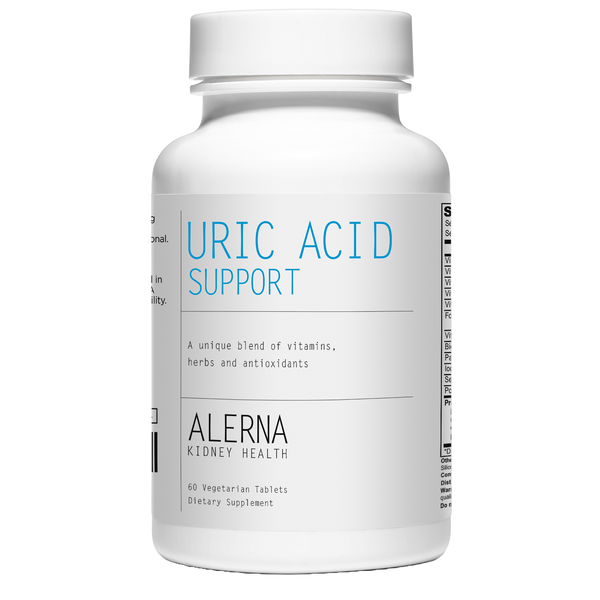
What Is Gout And Why Do Certain Foods Trigger It?
Gout is a painful form of arthritis caused by a buildup of uric acid. Certain foods can trigger it by increasing uric acid levels or interfering with how the body removes it. Uric acid forms when the body breaks down substances called purines. Some foods are higher in purines, which adds to the body’s overall uric acid load. When levels remain high, sharp crystals can form in the joints, causing sudden pain and swelling.
How Does Uric Acid Build Up In The Body?
Uric acid builds up when the body produces more than the kidneys can remove. It is a byproduct created when the body breaks down purines, substances found naturally in your cells and in certain foods. Purines come from both food and normal cell turnover. Healthy kidneys help filter uric acid out through urine, which is why kidney health matters.
Why Are High-Purine Foods Likely To Trigger Gout Flares?
High-purine foods are more likely to trigger gout flares because they increase uric acid production when eaten often or in large amounts. Over time, this raises the chance that uric acid crystals will form in the joints. Not everyone reacts the same way to the same foods. These lists are guides, not guarantees, and personal triggers can vary.

Which Foods Most Commonly Trigger Gout Flare-Ups?
The foods most commonly linked to gout flare-ups are those that raise uric acid levels or make it harder for the body to clear them. These foods appear consistently across guidance from major medical organizations. Eating them frequently may increase flare risk for many people. Knowing these patterns helps guide everyday food choices.
Do Red And Organ Meats Raise Uric Acid Levels?
Red and organ meats raise uric acid levels because they are high in purines. Beef, pork, lamb, and bacon are common triggers for gout flares. Organ meats like liver, kidney, and sweetbreads are especially concentrated sources. Many people focus on limiting portion size and frequency rather than avoiding them completely.
Which Seafoods Are Most Likely To Trigger Gout?
Some seafoods are more likely to trigger gout because they contain higher amounts of purines.
Anchovies
Sardines
Mussels
Scallops
Herring
Trout
Some fish also provide heart-healthy fats. Lower-purine seafood options often include salmon, shrimp, or lobster when eaten in moderate portions. Many people work with a healthcare provider or dietitian to balance gout concerns with overall nutrition.
How Do Sugar And High-Fructose Corn Syrup Affect Gout?
Sugary drinks affect gout by increasing uric acid production through fructose metabolism. High-fructose corn syrup and added sugars can raise uric acid levels quickly. Common sources include soda, sweetened teas, energy drinks, desserts, and packaged snacks. Reducing these drinks is often an important step for gout management.
What About Alcohol, Especially Beer?
Alcohol affects gout by making it harder for the kidneys to remove uric acid from the body. Beer is a common trigger because it contains both alcohol and purines. This combination may increase flare risk more than other drinks. Some people decide with their healthcare professional if and how alcohol fits into their routine.
PAIR LOWER-PURINE MEALS WITH DAILY SUPPORT
Balanced portions, hydration, and simpler ingredients can strengthen your routine. Add Alerna Uric Acid Support for consistent everyday wellness.
Add Daily Wellness SupportAre There “Sneaky” Foods That Trigger Gout In People?
Some foods trigger gout quietly because they contain hidden sugars, purines, or additives. These triggers often come from processed foods, sauces, or sweetened products. Fruit can also be confusing due to mixed messages about sugar. Paying attention to these hidden sources can help reduce unexpected flares.
Which Processed Foods Can Quietly Raise Uric Acid?
Processed foods can raise uric acid when they contain added sugars, high-fructose corn syrup, or excess sodium.
Packaged snacks
Frozen meals
Sweet sauces and dressings
Baked goods and sweets
Reading labels helps identify hidden triggers. Choosing simpler ingredient lists can lower exposure.
Can Certain Fruits, Juices, And Sweeteners Make Gout Worse?
Certain fruits and sweeteners can worsen gout when they deliver a large amount of fructose quickly. While fruit naturally contains fructose, whole fruits also provide fiber, water, and nutrients that slow digestion and reduce how fast sugar enters the bloodstream. This slower absorption helps limit sudden spikes in uric acid for many people.
Fruit juices and sweetened fruit products work differently. Juicing removes most of the fiber and concentrates the fructose, creating a faster metabolic “hit” that the body has to process all at once. This rapid absorption may increase uric acid production more than eating the whole fruit itself. For this reason, many people with gout find it easier to tolerate whole fruits in moderate portions while limiting fruit juice, fruit concentrates, and added sweeteners, especially when also managing blood sugar or kidney health.
How Do Sauces, Gravies, And Yeast-Based Foods Trigger Gout?
Sauces and gravies can act as gout triggers because they concentrate purines from cooked meats. Meat-based gravies often contain higher purine levels than expected. Some yeast-based foods and yeast extracts may also affect uric acid in sensitive people. These ingredients are easy to overlook without label reading.

What Foods May Support Healthy Uric Acid And Kidney Health?
Foods that support healthy uric acid and kidney health tend to be lower in purines and support overall metabolism. These options are often easier on joints and kidneys. Responses vary from person to person. Small, consistent choices matter most.
Which Plant-Based Proteins Are Good For Joints And Kidneys?
Plant-based proteins are gentler on joints and kidneys because they do not appear to increase gout risk as much as meat does. Lentils, beans, chickpeas, tofu, and tempeh still contain purines, but their effect is different. They also provide fiber and nutrients. Many people use them to reduce meat intake.
Why Do Hydration And Whole Grains Matter For Gout?
Hydration and whole grains matter because they support kidney function and metabolic balance. Water helps the kidneys flush uric acid from the body. Whole grains like oats, brown rice, and quinoa help manage blood sugar and weight. Both factors are linked to gout and kidney wellness.

How Do Lifestyle And Kidney Health Influence Gout Triggers?
Weight, kidney health, and lifestyle change how the body processes uric acid and responds to food triggers. These factors can increase or reduce flare risk. Food choices work best when paired with supportive habits. Looking at the full picture improves long-term results.
How Does Weight Change Affect Uric Acid Levels?
Gout and kidney health are connected because the kidneys filter uric acid from the blood. Reduced kidney function can lead to higher uric acid levels. Gout and kidney issues often overlap. People with kidney concerns should work with a kidney-focused clinician when making diet changes.
How Are Gout And Kidney Health Connected?
Body weight affects uric acid handling when excess fat alters metabolism and joint stress. Belly fat is linked to higher uric acid levels. Rapid weight loss can also raise uric acid temporarily. Gentle, steady changes are usually more supportive.
When Can Daily Habits Make Triggers More Or Less Likely?
Daily habits affect gout risk by influencing inflammation, hydration, and metabolism. Poor sleep and dehydration can increase flare likelihood. Regular movement supports joint and metabolic health. These habits support wellness but are not cures.

How Can You Build A Gout- And Kidney-Friendly Plate?
Build a gout- and kidney-friendly plate that focuses on balance, portion control, and consistency. Simple visual guides make meals easier to plan.
What Does A Simple Gout-Friendly Plate Look Like?
A simple gout-friendly plate balances vegetables, protein, and whole grains. Fill half the plate with low-purine vegetables. Use one-quarter for gout-friendly protein like tofu, a small portion of chicken, or selected fish in moderation. Fill the remaining quarter with whole grains and choose water or unsweetened drinks.
How Can You Adapt Your Favorite Meals And Cultural Dishes?
Favorite meals can be adapted by adjusting portions and ingredients without losing flavor.
Swap part of red meat for beans or tofu
Reduce trigger portions and increase vegetables
Choose lower-sugar sauces and condiments
Small shifts are often easier to maintain.
Is There A Simple Way To Track Your Personal Food Triggers?
Keep a brief food-and-symptom journal on your phone or in a notebook to track your food triggers. Noting meals before flares can reveal patterns. These insights are helpful to discuss with a healthcare professional.
TURN GOUT TRIGGER AWARENESS INTO ACTION
Track personal triggers, build a balanced plate, and stay consistent. Make Alerna Uric Acid Support your next proactive daily step.
Shop Uric Acid SupportFoods That Trigger Gout: How Awareness Helps
Foods that trigger gout commonly include red and organ meats, certain seafoods, alcohol, and sugary drinks. Some foods and habits may be more supportive, such as lower-purine proteins, low-fat dairy, cherries, good hydration, and whole grains. You do not need to eat perfectly, and small, steady changes can still help over time. Talk with a healthcare professional for personal guidance, especially if you have kidney disease, take medications, or are considering supplements.
Frequently Asked Questions
Is it okay to eat a little red meat if I have gout?
Small portions of red meat may be okay for some people with gout, but eating it less often can help lower the risk of flares.
Which fruits are safest if I’m worried about gout and uric acid?
Whole fruits like berries, apples, citrus, and cherries are often considered safer choices when eaten in moderate portions.
Are eggs and chicken good protein options when I’m trying to avoid gout flares?
Eggs and small portions of chicken are commonly used as lower-risk protein options compared with red or organ meats.
Can supplements help support healthy uric acid levels without replacing my gout treatment?
Some supplements may support uric acid balance, but they should not replace gout treatment and should be discussed with a healthcare professional.
How long does it usually take for diet changes to affect foods that trigger gout for me personally?
Many people notice patterns within a few weeks, but responses vary based on diet, kidney health, and overall lifestyle.
Medical Disclaimer:
The information provided in this article is for educational and informational purposes only and should not be considered a substitute for professional medical advice, diagnosis, or treatment. Please consult with your healthcare provider before starting any new dietary supplement, especially if you are pregnant, nursing, have a medical condition, or are taking other medications. Never disregard professional medical advice or delay in seeking it because of something you have read in this article.
References
Centers for Disease Control and Prevention. (2025). Spotting hidden sugars in everyday foods. https://www.cdc.gov/diabetes/healthy-eating/spotting-hidden-sugars-in-everyday-foods.html
Cleveland Clinic. (2025). Gout low-purine diet. https://my.clevelandclinic.org/health/treatments/22548-gout-low-purine-diet
Harvard Health Publishing. (2025). All about gout. https://www.health.harvard.edu/diseases-and-conditions/all-about-gout
Mayo Clinic. (2025). Gout diet: What’s allowed, what’s not. https://www.mayoclinic.org/healthy-lifestyle/nutrition-and-healthy-eating/in-depth/gout-diet/art-20048524
National Kidney Foundation. (2025). What to eat (and avoid) if you have gout. https://www.kidney.org/news-stories/what-to-eat-and-avoid-if-you-have-gout
Srivastava, A., Kaze, A. D., McMullan, C. J., Isakova, T., & Waikar, S. S. (2018). Uric Acid and the Risks of Kidney Failure and Death in Individuals With CKD. American journal of kidney diseases : the official journal of the National Kidney Foundation, 71(3), 362–370. https://doi.org/10.1053/j.ajkd.2017.08.017


