


Table of Contents
What if the ingredient list on your favorite bottle of tart cherry juice concentrate is only telling half the story? Wellness labels love to highlight the good stuff up front. Hidden sugars, filler juices, and vague sourcing claims tend to sit quietly on the back label, where most shoppers never look twice.
That gap between what a bottle promises and what it actually delivers matters, especially when you're relying on a supplement to support sleep, recovery, or daily comfort. At Alerna Kidney Health, we believe transparency should come standard, not as a bonus feature. Our team curates wellness options with clear sourcing and honest labels, so you know exactly what you're putting into your body.
Reading between the lines on any botanical concentrate, tart cherry included, can mean the difference between a product that actually works and one that just tastes good. Here's what most labels leave out, and why it matters for your daily routine.
LOOK BEYOND THE FRONT LABEL
Hidden sugars and vague ingredients can make tart cherry products hard to compare. Choose Alerna Tart Cherry for a simple capsule option that fits your daily wellness routine.
Explore Tart Cherry Capsules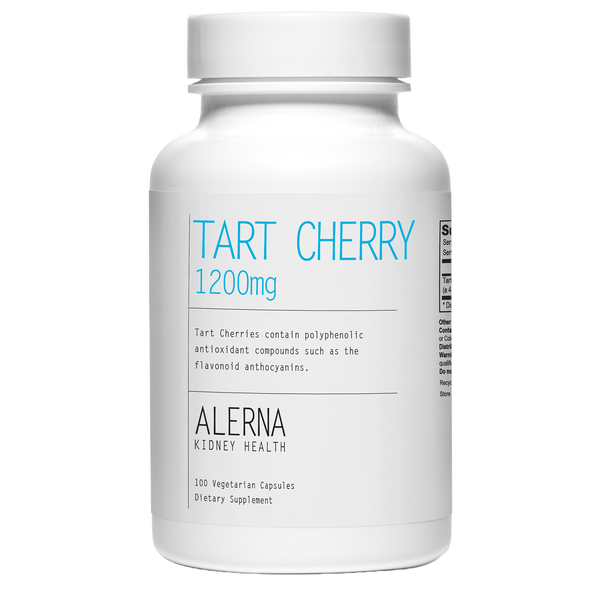
What Is Montmorency Tart Cherry Concentrate?
Montmorency tart cherry concentrate is a thick, deep red liquid made by pressing and reducing Montmorency tart cherries down to a fraction of their original volume. This variety of cherry, grown mainly in Michigan and other parts of the northern United States, is prized for its tart flavor and high concentration of natural plant compounds. Because the fruit is condensed rather than diluted, a small amount goes a long way.
Pure Single-Ingredient Formulations
A quality tart cherry concentrate contains exactly one ingredient: cherry juice. Nothing else needs to be added. No water, no added sugar, no filler juice from cheaper fruit. When you check the label and see just one line, "Montmorency tart cherry juice concentrate," you're looking at the real thing.
Absence of Artificial Additives
Artificial ingredients have no place in a true tart cherry concentrate. Skip any bottle listing artificial colors, flavors, or preservatives, since these additions dilute the fruit's potency without adding any benefit. A clean concentrate should smell and taste like real cherries, not like a candy aisle.

How Does Concentrate Compare to Whole Juice?
Evaluating the structural differences between reduced liquids and standard beverages highlights distinct variations in daily convenience and dietary impact:
Concentrate packs more cherries into every ounce, since reducing the juice removes water weight, not nutrients
A quart of concentrate costs less per serving than buying gallons of pre-mixed cherry juice
Whole juice blends often carry unnecessary added sugar and calories that concentrate avoids when you control the dilution yourself
Concentrate stores easily and stays shelf-stable far longer than ready-to-drink juice, making it simple to stock up
What Are the Core Health Benefits?
Tart cherries carry a nutrient profile that supports several everyday functions in the body, from cellular health to muscle recovery. Because the concentrate delivers this in a potent form, a small daily serving can go further than a full glass of standard juice.
High Antioxidant Properties
Antioxidants are the main draw for most people who reach for tart cherry concentrate. Montmorency cherries are especially rich in anthocyanins, the plant compounds responsible for their deep red color and much of their antioxidant activity. Adding a small serving to your routine is an easy way to support your body's natural defense against everyday cellular stress.
Healthy Inflammatory Pathway Support
Tart cherry concentrate may help support a healthy inflammatory response in the body. Some people, including those managing everyday joint stiffness, add a daily serving to their broader wellness routine. It's worth noting that concentrate is not a treatment or cure for any condition, so it works best alongside guidance from a healthcare provider.
Natural Sleep Cycle Promotion
Sleep is one of the most talked-about benefits of tart cherry concentrate, and for good reason. Montmorency cherries naturally contain small amounts of melatonin, the hormone that helps regulate the body's sleep-wake cycle. Many people drink a small mix before bed as a gentle addition to their nightly routine.
Post-Exercise Muscle Recovery
Athletes and casual exercisers alike use tart cherry concentrate to ease the discomfort that follows a hard workout. Research suggests the compounds in tart cherries may help support muscle recovery after exercise. A serving mixed into water after a workout is an easy, delicious way to wind down.
SKIP THE STICKY CONCENTRATE ROUTINE
You know what to check before buying. Alerna Tart Cherry offers a convenient capsule format without measuring, mixing, or storing liquid concentrate.
Add Tart Cherry SupportHow Should You Use Cherry Juice Concentrate?
Getting the most out of tart cherry concentrate comes down to how you mix it and how long you let it sit. A little goes a long way, and using too much at once can overwhelm the palate with tartness. The right routine makes it easy to stick with in the long term.
Standard Water Dilution Ratios
Most brands recommend mixing one to two ounces of concentrate with eight ounces of water. This ratio balances the tart flavor while keeping the dose consistent from day to day. Start at the lower end and adjust to your taste.
Creative Smoothie and Beverage Mixes
Cherry concentrate blends well into smoothies, sparkling water, or even a marinade for a savory dish. A splash added to a morning smoothie turns a plain drink into a delicious, antioxidant-rich treat. Mixing it into different beverages also helps prevent the routine from feeling repetitive.
Consistent Daily Timing
Timing matters less than consistency when it comes to tart cherry concentrate. Some people prefer a morning serving for antioxidant support, while others save it for the evening to pair with their wind-down routine. Sticking with it daily for at least a month gives the compounds time to build up in the body.

How Long Does the Concentrate Last?
Proper storage practices protect the delicate active compounds and prevent premature spoilage of the natural ingredients:
Refrigerate the bottle immediately after opening to preserve freshness and flavor
Once opened, plan to use the concentrate within 60 to 90 days for the best quality
Unopened bottles can be stored at room temperature, away from direct sunlight and heat, until you're ready to open them
What Should You Look for on the Label?
Not every bottle on the store shelf lives up to the marketing on its front label. Knowing what to check on the back label helps you separate a premium product from a diluted one. A few key details tell you almost everything you need to know before you buy.
Clear Farm Sourcing Origins
A trustworthy tart cherry concentrate tells you exactly where its cherries were grown. Look for a specific region, such as Michigan's cherry-growing areas, rather than a vague claim like "sourced from various farms." Clear sourcing is one of the simplest signs that a brand has nothing to hide.
Independent Third-Party Testing
Third-party testing means a lab outside the company has verified what's actually in the bottle. This step confirms the concentrate is free of contaminants and matches what the label claims. Brands that skip this step are asking you to trust them on their word alone.
Proper FDA Compliance Disclaimers
Any health claims on the label should include a disclaimer stating that the U.S. Food and Drug Administration (FDA) hasn't evaluated the statement and that the product isn't meant to diagnose, treat, cure, or prevent any disease. This disclaimer is a legal requirement for dietary supplements, and its presence is a sign the company is following the rules rather than cutting corners.
MAKE A SMARTER TART CHERRY CHOICE
Read labels carefully and choose a format you can maintain. Make Alerna Tart Cherry part of your proactive daily wellness plan.
Shop Tart CherryWhich Form Will Upgrade Your Routine Today?
Concentrate and standard juice both come from the same fruit, but the similarities end there. A pure tart cherry concentrate delivers more of the plant compounds per ounce, without the added sugar and calories that come standard in most bottled juices.
The next time you're standing in the aisle, flip the bottle around before you buy. A short ingredient list and a clear farm origin tell you more than any front-label claim ever could.
When you're ready to build a wellness routine around products that are sourced and labeled with real transparency, Alerna Kidney Health offers a curated selection of quality-focused botanical supplements to help you get started.
Frequently Asked Questions
How many cherries are in one bottle of concentrate?
A standard 32-ounce (one quart) bottle of tart cherry juice concentrate typically comes from about 90 to 100 pounds of fresh Montmorency cherries.
Does tart cherry juice concentrate have added sugar?
A pure tart cherry concentrate has no added sugar, since the only ingredient should be the juice of the cherry itself.
When is the best time to drink tart cherry concentrate?
Many people drink tart cherry concentrate in the evening to pair with their wind-down routine, though any consistent daily time works well.
Can a person drink cherry concentrate straight without water?
Cherry concentrate can be drunk straight, but most people dilute it with water since undiluted concentrate is very tart and highly potent.
Does boiling water destroy the benefits of tart cherry juice?
Very hot or boiling water can break down some of the delicate plant compounds in tart cherry concentrate, so mixing it with cool or room-temperature water is the better choice.
Medical Disclaimer:
The information provided in this article is for educational and informational purposes only and should not be considered a substitute for professional medical advice, diagnosis, or treatment. Please consult with your healthcare provider before starting any new dietary supplement, especially if you are pregnant, nursing, have a medical condition, or are taking other medications. Never disregard professional medical advice or delay in seeking it because of something you have read in this article.
References
Bell, P. G., Stevenson, E., Davison, G. W., & Howatson, G. (2016). The Effects of Montmorency Tart Cherry Concentrate Supplementation on Recovery Following Prolonged, Intermittent Exercise. Nutrients, 8(7), 441. https://doi.org/10.3390/nu8070441
Vento, K. A., & Wardenaar, F. C. (2020). Third-Party Testing Nutritional Supplement Knowledge, Attitudes, and Use Among an NCAA I Collegiate Student-Athlete Population. Frontiers in sports and active living, 2, 115. https://doi.org/10.3389/fspor.2020.00115


