


Table of Contents
That first cup of coffee is a ritual most people never stop to question. The mug, the smell, the routine. Then a quiet worry creeps in: Is coffee bad for your kidneys, and is the daily habit slowly straining them?
It depends, mostly on how much you drink and on your own health. For most healthy adults, coffee is not the problem it is sometimes made out to be. For others, the amount carries more weight. Alerna Kidney Health follows research on a kidney-friendly lifestyle, and on this question, the science turns out to be kinder than the worry suggests.
So, how much coffee is actually safe for your kidneys?
KEEP YOUR COFFEE ROUTINE KIDNEY-CONSCIOUS
Wondering how coffee fits your wellness goals? Pair mindful caffeine habits with hydration and Alerna Tart Cherry.
Explore Tart Cherry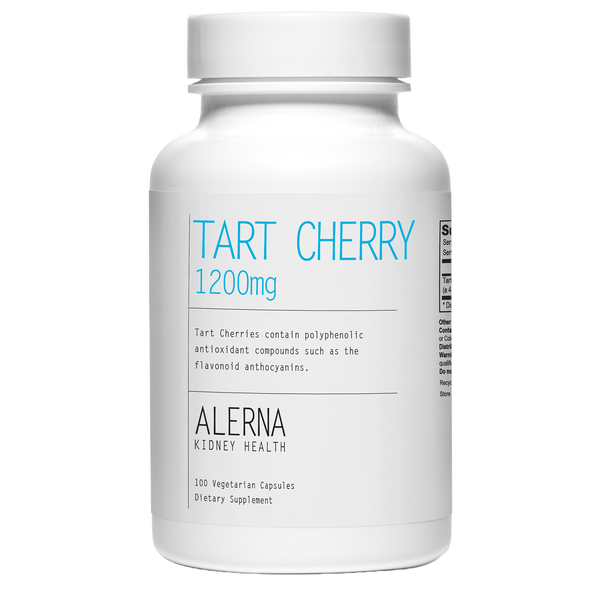
Is Coffee Bad for Your Kidneys?
For most healthy adults, coffee is not bad for the kidneys. Research has not shown that moderate coffee consumption harms kidney function in people without existing kidney disease. The picture shifts with how much you drink and your overall health, so a few details are worth a closer look.
Generally Fine in Moderation
Moderate coffee intake has not been linked to kidney harm in most healthy adults. Large studies that tracked coffee drinkers for years found no clear rise in kidney problems among people who drink it in normal amounts. For many, black coffee is generally considered safe as part of a balanced diet.
The Caffeine Factor
Caffeine is the part worth watching. It works as a mild stimulant and has a mild diuretic effect, meaning it makes you urinate a little more. It can also nudge blood pressure and heart rate up for a short time after a cup. For healthy people, those effects stay minor, but they explain why a little caution makes sense.
It Depends on the Person
Coffee affects different people in different ways. Existing kidney disease, high blood pressure, diabetes, and pregnancy all change how much coffee is wise. What sits comfortably for one person may be too much for another.

How Much Coffee Is Considered Reasonable?
General guidance on caffeine intake exists, even though no single rule fits everyone. Most health bodies point to a moderate daily range rather than a hard limit.
Here is what general guidance suggests:
Around Three to Four Cups: Many health groups consider up to 400 mg of caffeine per day moderate for healthy adults, which is roughly three cups of brewed coffee. Cup size and brew strength vary, so treat this as a rough range.
Watch Total Caffeine: Tea, soda, and energy drinks add to the daily total, so coffee is not the only source to count.
Mind the Add-Ins: Heavy sugar and cream add more calories and affect overall health more than the coffee itself. Low-fat milk is a lighter choice.
Listen to Your Body: Jitters, poor sleep, or a racing heart are signs to scale back.
These are general figures, not personal medical advice. A doctor can tell you what fits your own health.
BALANCE EVERY CUP WITH DAILY WELLNESS SUPPORT
You know moderation and hydration matter. Tart Cherry capsules make botanical wellness support easy to add to your day.
Shop Tart Cherry CapsulesWhen Should You Cut Back on Coffee?
Certain situations call for more caution with coffee. Existing health conditions change the math, and a few are worth knowing before you pour the next cup.
Existing Kidney Concerns
Anyone with chronic kidney disease (CKD) should follow a doctor's guidance on caffeine and fluids. Advanced CKD can change how the body handles potassium, and some coffee adds to daily potassium levels. A doctor can weigh that against the rest of the diet.
High Blood Pressure
People managing high blood pressure may want to monitor coffee intake. Since caffeine can raise blood pressure for a short time, those with hypertension should track how their numbers respond. Kidney and heart health are closely tied, so this matters on both fronts.
Dehydration Risk
Leaning on coffee while skipping water can work against good hydration. The mild diuretic effect is small, but if coffee crowds out plain water all day, the body can fall short on fluid. Staying hydrated supports normal kidney function, so keep water in the rotation.

Can Coffee Support Kidney Health?
Some research actually leans in coffee's favor. Several studies suggest that moderate coffee consumption is associated with steady kidney function rather than decline, which surprises people who assumed the opposite.
Antioxidant Content
Coffee contains antioxidants, which some research connects to general health benefits. Those compounds are one reason coffee keeps turning up in studies on heart health and overall health, though the findings are not the final word.
Mixed but Reassuring Evidence
Several large studies have not found a link between moderate coffee and declining kidney function. Some have reported that regular coffee drinkers tend to have a lower risk of kidney problems, though researchers stop short of calling coffee protective. The evidence is not unanimous, but for healthy adults, it leans reassuringly.
TURN SMART COFFEE CHOICES INTO A LASTING ROUTINE
Review your caffeine, keep water close, and add Alerna Tart Cherry to a routine you can maintain every day.
Add Tart Cherry to Your RoutineWhat's the Takeaway on Coffee and Kidneys?
For most healthy adults, moderate coffee is generally fine for the kidneys. What matters most is the amount you drink and your own health, since conditions like chronic kidney disease, hypertension, or diabetes change the picture. Anyone concerned about kidney health should check with a doctor rather than guess.
Take a minute to review your daily coffee intake, then explore Alerna Kidney Health's kidney-support resources to make a smarter choice for the long run.
Frequently Asked Questions
How much coffee is too much for kidneys?
For most healthy adults, more than roughly 400 mg of caffeine a day, near three to four cups, sits above the moderate range, though the right amount depends on your own health.
Is coffee hard on the kidneys?
Coffee is not hard on the kidneys for most healthy people, since research has not linked moderate coffee consumption to kidney harm.
What drinks are bad for your kidneys?
Sugary sodas, energy drinks, and heavy alcohol are harder on kidney health than coffee, especially when consumed in large amounts.
Can I drink coffee with chronic kidney disease?
Many people with CKD can still drink some coffee, but the safe amount varies, so ask a doctor who knows your potassium levels and overall health.
Does coffee cause dehydration?
Coffee has a mild diuretic effect but does not usually cause dehydration in moderate amounts, as long as you also drink water throughout the day.
Medical Disclaimer:
The information provided in this article is for educational and informational purposes only and should not be considered a substitute for professional medical advice, diagnosis, or treatment. Please consult with your healthcare provider before starting any new dietary supplement, especially if you are pregnant, nursing, have a medical condition, or are taking other medications. Never disregard professional medical advice or delay in seeking it because of something you have read in this article.
References
National Institute of Diabetes and Digestive and Kidney Diseases. (2016, October). Preventing chronic kidney disease. U.S. Department of Health and Human Services, National Institutes of Health. https://www.niddk.nih.gov/health-information/kidney-disease/chronic-kidney-disease-ckd/prevention
National Institute of Diabetes and Digestive and Kidney Diseases. (2025, February). Causes of chronic kidney disease in adults. U.S. Department of Health and Human Services, National Institutes of Health. https://www.niddk.nih.gov/health-information/kidney-disease/chronic-kidney-disease-ckd/causes
U.S. Department of Health and Human Services & U.S. Department of Agriculture. (2015, December). 2015–2020 Dietary guidelines for Americans (8th ed.). https://odphp.health.gov/sites/default/files/2019-09/2015-2020_Dietary_Guidelines.pdf
U.S. Food and Drug Administration. (2024, August 28). Spilling the beans: How much caffeine is too much? https://www.fda.gov/consumers/consumer-updates/spilling-beans-how-much-caffeine-too-much


