


Table of Contents
Seeing a streak of pink on the toilet paper, or a swirl of red in the bowl, can stop you cold. The worry hits fast. So can a UTI cause bleeding? Yes. A urinary tract infection (UTI) can inflame the lining of the bladder and urethra until red blood cells leak into the urine, which may show up as a faint pink streak or turn the urine a deeper red.
Alerna Kidney Health focuses on urinary and kidney wellness, and the aim is simple: help you understand why blood in the urine can happen with a UTI, what else can cause it, and when peeing blood means it is time to call a healthcare provider.
BUILD A MORE PROACTIVE URINARY WELLNESS ROUTINE
Understanding UTI symptoms is only one part of looking after your urinary wellness. Alongside hydration, good hygiene, and guidance from your healthcare provider, Alerna D-Mannose makes it easy to add D-mannose to your regular daily routine.
Add D-Mannose To Your Routine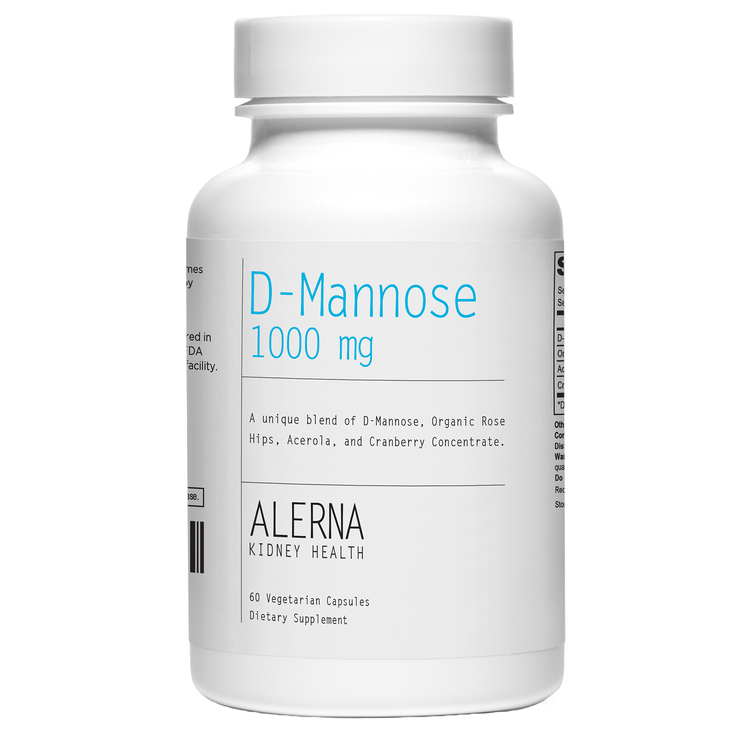
What Is a UTI?
A urinary tract infection is an infection that starts when bacteria enter the urinary system and begin to multiply. Most cases begin in the bladder, but the infection can affect any part of the urinary tract, from the urethra up to the kidneys. Where the infection sits shapes how strong the symptoms feel, including bleeding.
Infection in the Urinary Tract
The urinary tract is the system that makes urine and carries it out of the body. It runs through two kidneys, two ureters, the bladder, and the urethra. Bacteria entering the urethra, often from the skin or bowel, can travel to the bladder and trigger the burning and urgency people know as a bladder infection. Left alone, that same infection can climb toward the kidneys, where it becomes more serious.
Common Causes and Risk Factors
Most UTIs trace back to bacteria entering the urethra, sometimes after sexual intercourse or from wiping back to front. Several risk factors raise the odds. Female anatomy plays a role, since a shorter urethra sits closer to the bowel. Menopause and the hormonal changes around it thin the tissue that guards against infection. Holding urine for hours, using a catheter, having kidney stones, or living with an enlarged prostate all give bacteria more room to grow. People with weakened immune systems, including those with diabetes, also face a higher risk.

Can a UTI Cause Bleeding?
A UTI can cause bleeding, and it happens more often than most people expect. In short, infection irritates the delicate tissue lining the urinary tract, and irritated tissue bleeds. How much blood shows up depends on how inflamed that lining becomes.
Irritation of Urinary Tract Lining
Bacteria multiplying in the bladder irritate the wall from the inside. As the lining swells and turns tender, tiny blood vessels near the surface can break and release red blood cells into the urine. At this stage, the amount is often small, sometimes only light bleeding that barely tints the urine.
Inflammation Leading to Visible Blood
Stronger inflammation releases more red blood cells, making the urine look visibly pink, red, or brown. Doctors call visible blood in the urine gross hematuria, meaning you can see it with the naked eye. Bright red blood usually means the bleeding is fresh, while darker shades suggest the blood has sat in the urinary tract longer.
Microscopic Blood Detected in Tests
Sometimes there is no color change at all, yet a urine test still finds red blood cells. This is called microscopic hematuria, blood seen only under a microscope during lab tests. Many people learn about UTI-caused bleeding this way, after a routine urinalysis rather than after noticing blood on the toilet paper.
What Does Blood in Urine Look Like?
Blood in the urine does not always look the same. The shade depends on how much blood is present and how long it sat in the urinary tract before leaving the body. Blood in urine can appear in different ways:
Pink or red urine: a small amount of fresh blood, sometimes no more than a pink streak on the toilet paper.
Brown or tea-colored urine: older blood, sometimes described as cola colored urine, which can point to a source higher up in the urinary tract.
Microscopic blood only seen in lab tests: no visible change at all, found only when a urine test checks for red blood cells.
BUILD A MORE PROACTIVE URINARY WELLNESS ROUTINE
Understanding UTI symptoms is only one part of looking after your urinary wellness. Alongside hydration, good hygiene, and guidance from your healthcare provider, Alerna D-Mannose makes it easy to add D-mannose to your regular daily routine.
Add D-Mannose To Your RoutineWhat Other Symptoms May Appear With Bleeding?
Bleeding from a UTI rarely arrives on its own. It usually comes with typical infection symptoms, and those clues help separate a UTI from other causes of blood in the urine. Here is what tends to show up alongside it.
Burning Sensation During Urination
Painful urination, a stinging or burning feeling as you pee, is one of the most common UTI symptoms. It comes from the same inflamed tissue that releases blood, so burning and light bleeding often appear together.
Frequent Urge to Urinate
A frequent need to urinate, even when little comes out, points to an irritated bladder. This frequent urination can wake you at night and often pairs with a sudden, hard-to-ignore urge.
Cloudy or Strong-Smelling Urine
Cloudy urine or strong-smelling urine signals bacteria and white blood cells in the mix. Add bladder pain or pressure low in the pelvis, and the picture of a UTI grows clearer.

What Else Can Cause Blood in Urine?
A UTI is one reason for blood in the urine, not the only one. Several conditions cause the same symptoms, which is exactly why visible blood should always be checked rather than assumed to be a simple infection.
Kidney Stones
Kidney stones can scratch the lining of the urinary tract as they move, causing blood along with sharp pain in the side, back, or lower abdomen. The pain often comes in waves and can be intense.
Enlarged Prostate
In men, an enlarged prostate, known as benign prostatic hyperplasia (BPH), can lead to blood in the urine and a weaker urine stream. It becomes more common with age.
Other Urinary Tract Conditions
Other causes include a kidney infection called pyelonephritis, hard vigorous exercise, and blood thinners that make any bleeding easier to see. Less often, blood in the urine can signal kidney disease, chronic kidney disease, or a tumor in the bladder or kidney. Rare or not, these possibilities are the reason a healthcare provider should look into any blood you notice.
How Is Blood in Urine Diagnosed?
A healthcare provider can usually track down the cause of blood in the urine with a few simple steps. The goal is to confirm whether a UTI is behind it or whether something else needs attention.
Urine Tests and Cultures
A urine test, or urinalysis, checks for red blood cells, bacteria, and signs of infection. A urine culture goes further by growing any bacteria present to identify the exact type and confirm bacterial growth, which guides the right antibiotic.
Imaging Studies
If the cause stays unclear, imaging such as an ultrasound or CT scan can reveal kidney stones, blockages, or other problems in the urinary system that a urine test alone would miss.
Physical Examination and Medical History
A physical examination and a review of your medical history fill in the rest. Expect questions about recent sexual intercourse, medications like blood thinners, vigorous exercise, and any pattern of recurrent UTIs, since each one shifts what the most likely cause may be.

What Helps Reduce the Risk of UTI With Bleeding?
Simple habits can help lower the risk of UTIs that may cause bleeding:
Drink plenty of water to flush bacteria out of the urinary tract before it takes hold.
Practice good hygiene, including wiping front to back and washing before and after sexual intercourse.
Avoid holding urine for long periods, which gives bacteria time to multiply.
Wear breathable underwear, such as cotton, to keep the area dry.
Limit irritants like caffeine and alcohol, which can bother the bladder.
When Should You See a Doctor?
Any visible blood in the urine is a reason to contact a healthcare provider, even if it happens once and the discomfort feels mild. A few signs call for quicker action.
Persistent or Heavy Bleeding
Blood that keeps appearing, heavy bleeding, or blood clots in the urine need prompt medical attention. If the bleeding continues or worsens, urgent care is a reasonable next stop.
Fever or Back Pain
Fever, chills, nausea, or pain in the back and side can mean the infection has reached the kidneys. Kidney pain like this deserves same-day care, since a kidney infection can harm kidney function when it spreads unchecked.
Recurrent Urinary Infections
Repeated infections, or blood that returns with future UTIs, should be looked at more closely. Catching the pattern early can help prevent complications and protect long-term urinary health.
MAKE URINARY WELLNESS PART OF YOUR DAILY ROUTINE
Once any UTI symptoms or unexplained bleeding have been evaluated and appropriately managed, you can focus on maintaining consistent daily habits. Choose Alerna D-Mannose for a straightforward capsule option that fits easily into a proactive urinary wellness routine.
Shop D-MannoseIs It Time to Take Action?
Blood in the urine is a signal that should not be ignored. A UTI may be the cause, but kidney stones, an enlarged prostate, or another urinary tract condition can also lead to bleeding. Contact a healthcare provider even if you notice blood only once. Heavy bleeding, blood clots, fever, chills, vomiting, or pain in the back or side require prompt medical attention.
A urine test can help identify the cause and guide the right care. Do not rely on a supplement to treat an active UTI or unexplained bleeding. Waiting too long may allow an infection to spread to the kidneys.
After your symptoms have been evaluated and you have received appropriate care, Alerna Kidney Health's D-Mannose – 60 Vegetarian Capsules offers a simple capsule option for adding D-mannose to your everyday wellness routine. Follow the product directions and ask your healthcare provider whether it is appropriate for you. It should not replace antibiotics or other recommended medical care.
Frequently Asked Questions
Can a UTI cause visible blood in urine?
Yes, a UTI can cause visible blood, called gross hematuria, that turns the urine pink, red, or brown.
Is blood in urine always a sign of infection?
No, blood in urine can also come from kidney stones, an enlarged prostate, vigorous exercise, or other conditions, so it should always be checked.
How do doctors test for blood in urine?
A healthcare provider runs a urine test, urine culture, and sometimes imaging to find what is causing the blood.
Can dehydration make blood in urine worse?
Yes, too little water concentrates the urine and can worsen irritation, so drinking fluids helps flush the urinary tract.
Should I worry if blood in urine happens only once?
Even a single episode of visible blood should be checked by a healthcare provider to rule out infection or other causes.
Medical Disclaimer:
The information provided in this article is for educational and informational purposes only and should not be considered a substitute for professional medical advice, diagnosis, or treatment. Please consult with your healthcare provider before starting any new dietary supplement, especially if you are pregnant, nursing, have a medical condition, or are taking other medications. Never disregard professional medical advice or delay in seeking it because of something you have read in this article.
References
Herness, J., Buttolph, A., & Hammer, N. C. (2020). Acute Pyelonephritis in Adults: Rapid Evidence Review. American family physician, 102(3), 173–180. https://pubmed.ncbi.nlm.nih.gov/32735433/
McDonald, M. M., Swagerty, D., & Wetzel, L. (2006). Assessment of microscopic hematuria in adults. American family physician, 73(10), 1748–1754. https://pubmed.ncbi.nlm.nih.gov/16734050/
Sanyaolu, L. N., Cooper, E., Read, B., Ahmed, H., & Lecky, D. M. (2023). Impact of Menopausal Status and Recurrent UTIs on Symptoms, Severity, and Daily Life: Findings from an Online Survey of Women Reporting a Recent UTI. Antibiotics (Basel, Switzerland), 12(7), 1150. https://doi.org/10.3390/antibiotics12071150


