


Table of Contents
Black kidney stones can look alarming when first noticed, especially when passing them in a toilet or strainer. Color alone does not confirm the stone's composition, but it can offer clues about stone type, stone formation, and possible risk factors for kidney stone disease. Many kidney stones appear dark brown or nearly black due to staining, drying, or mineral buildup, rather than a clear indicator of stone type.
This article explains what black-looking stones may mean, what else may look similar, and what steps may support kidney function and the urinary system.
This content is for educational purposes only and is not intended as medical advice. Consult your healthcare provider for guidance specific to your situation.
LOOK BEYOND THE COLOR OF THE STONE
Finding a dark or black kidney stone can be unsettling, but its appearance is only one part of the picture. Alongside professional evaluation, hydration, and balanced daily habits, Alerna Chanca Piedra offers botanical support for a proactive kidney and urinary wellness routine.
Explore Chanca Piedra Support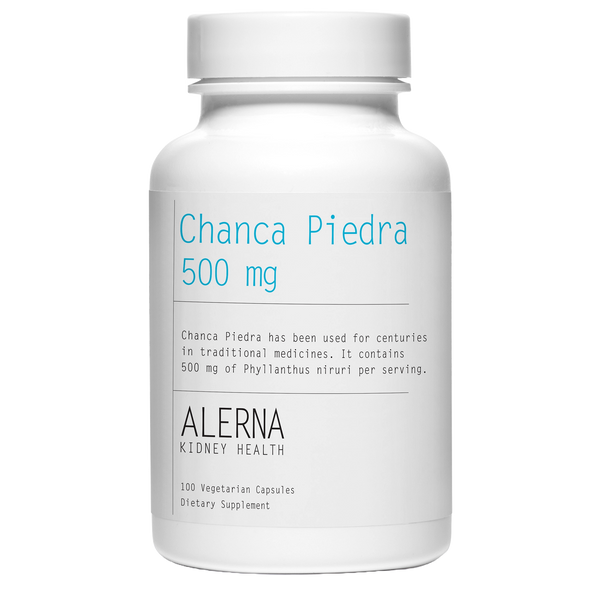
Are Black Kidney Stones Common?
Black kidney stones are not the color most people expect, yet darker stones can still fall within the range of most kidney stones seen in clinics. Appearance may shift depending on lighting, toilet water color, and urine concentration, which is why color alone does not define types of kidney stones.
Normal Color Range for Kidney Stones
Normal color ranges for kidney stones include tan, yellow, reddish, or brown, and some stones may look very dark without signaling danger. Calcium oxalate stones, uric acid stones, and calcium phosphate stones often overlap in appearance even when chemistry differs. A stone that seems black may still match the most common type, such as calcium oxalate kidney stones.
Why Color Alone Can Mislead
Color can be misleading because lighting, toilet bowl color, and concentrated urine can make a stone look darker. For clearer answers, saving the stone for professional stone analysis and discussing urine and blood testing with a clinician can help identify patterns linked to stone formation.

What Can Make a Kidney Stone Look Black?
Several factors can make a stone appear darker than expected, and many are harmless visual effects rather than urgent warning signs. Dark coloring may result from mineral layering, concentrated urine, or blood staining, and does not always indicate a serious issue.
Mineral Buildup and Surface Coating
Urine chemistry plays a central role in whether crystals stay dissolved or begin to collect in the urinary tract. Inherited traits may influence urine acidity, concentration, and crystal formation patterns. These shifts can increase the likelihood that stones form even under routine daily conditions.
Blood Staining and Dark Urine Effects
Blood staining can happen if a stone irritates the urinary tract lining, and urine may look pink, red, or tea-colored. Infections can also cause cloudy urine, discomfort, fever, or chills, and symptoms warrant prompt evaluation.
Drying, Lighting, and Toilet Bowl Factors
Drying outside the body typically makes a stone darker as oxygen reacts with the surface. Toilet bowl color, shadows, and lighting may exaggerate shade differences. A stone that looks black in water may appear tan once dry on a clean surface.
PAIR STONE FOLLOW-UP WITH DAILY KIDNEY SUPPORT
Saving the stone, tracking symptoms, and discussing testing with a healthcare provider can help guide your next steps. Alerna Chanca Piedra fits alongside those responsible choices by supporting urinary comfort, healthy fluid balance, and consistent everyday kidney wellness.
Add Chanca Piedra to Your RoutineWhich Stone Types Can Look Dark or Black?
Different stone types have typical patterns, yet overlap is common, and the most reliable method remains professional stone analysis. Many darker stones still fall into the most common type, such as calcium stones or calcium oxalate monohydrate stones.
Stone Color and Texture Patterns by Type
The appearance of stone may vary depending on its type. Keep in mind that appearance is not a diagnosis.
| Stone Type | Typical Color Range | Common Texture | Useful Note |
|---|---|---|---|
| Calcium Oxalate | Tan to brown, sometimes very dark | Often rough or jagged | Dark stones can occur |
| Uric Acid | Yellow to reddish-brown | Often smoother | Color may deepen when dry |
| Struvite | Off-white to pale | Often crumbly | Often linked to urinary infections |
| Cystine | Pale yellow | Waxy or smooth | Less common |
Calcium Oxalate Appearance Patterns
Calcium oxalate kidney stones often appear tan or brown, but darker surfaces can occur. Diet patterns, hydration, and urine chemistry factors all influence calcium oxalate stone formation, and guidance often varies by individual risk profile.
These stones may grow larger when excessive amounts of crystal-forming substances are present. They are often linked with the most common type of kidney stone disease.
Uric Acid Appearance Patterns
Uric acid stones often range from yellow to reddish-brown, and the surface can look darker after the stone dries. A diet high in animal protein and organ meats can increase uric acid load and is linked with more acidic urine, which can favor uric acid stone formation.
Other Stone Types and Typical Looks
Calcium phosphate kidney stones, struvite stones, and cystine stones each exhibit distinct surface features. Calcium phosphate, struvite, and cystine stones often have different surface features, but overlap still occurs. Struvite stones are strongly associated with urinary tract infections, and cystine stones are linked with inherited cystinuria. Cystine stones are less common and linked with inherited metabolic conditions.

Could Black Particles in Urine Be Something Else?
Not everything dark in a toilet is a stone, and many small black particles are harmless debris. Sediment, clots, or fibers may look similar, especially when the urine is concentrated instead of pale yellow.
Sediment and Debris Look-Alikes
Sediment may include minerals, mucus, or other substances that settle when urine is concentrated. These specks are not always linked to kidney stones. Drinking more fluids and keeping urine pale yellow can reduce confusion.
Blood Clot Look-Alikes
Blood clots may appear dark when mixed with toilet water. Irritation, infection, or the passage of kidney stones can contribute to this appearance. When clots are accompanied by sharp pain or fever, early evaluation is often recommended.

What Symptoms Can Happen When Passing a Stone?
Symptoms during passing kidney stones vary widely, and some overlap with other urinary issues. The pattern and severity usually matter more than a single sign.
Pain and Pressure Patterns
Pain may start in the back or side and move toward the lower abdomen as a stone shifts position. Pain often comes in waves. Larger stones or blocked urine flow may require clinician-directed care.
Urination Changes and Urine Color Changes
Frequent urges, burning sensations, or cloudy urine can occur. Dark urine or streaks of blood may also appear. Noting urine color and symptoms can support clearer discussions during follow-up care.
Nausea and Sweating
Nausea, sweating, or chills can occur during painful episodes. If vomiting prevents fluid intake or fever occurs, urgent evaluation is recommended.
What to Do After Finding a Dark or Black Stone
Simple actions after finding a suspected stone can support clearer follow-up and safer evaluation. Recording details helps connect symptoms with risk factors, dietary factors, and lifestyle changes.
Stone Saving and Storage Basics
If saving the stone is possible, these basics can help:
Use a clean urine strainer or a clean container to catch the stone
Rinse gently with clean water
Let the stone dry on a clean surface
Store in a clean, dry container for an appointment
Details to Share at an Appointment
A short set of notes can help a clinician give clearer guidance:
When symptoms started and how symptoms changed
Pain location and whether the pain moved over time
Urine color changes, urgency, or burning
Fever, chills, nausea, or vomiting
Medications and supplements, including electrolyte products

When to Get Medical Help Quickly
Some symptoms raise concern for blockage or infection and need urgent evaluation. Timely care supports kidney function and helps avoid complications.
Red-Flag Symptoms
Urgent medical care is recommended if any of these symptoms occur:
Fever or chills
Vomiting with trouble keeping fluids down
Severe pain that does not improve
Trouble urinating or very low urine output
Feeling faint, confused, or unusually weak
How Clinicians Confirm Stone Type and Next Steps
Clinicians confirm stone type using tests that assess size, location, and chemical composition. Evaluation may include imaging, urine testing, blood work, and professional stone analysis. Results help guide clinician-led next steps and follow-up planning.
Urine Tests, Blood Tests, and Imaging
Blood tests, urine samples, and scans can detect infections, changes in uric acid levels, and possible blockages. Results may also point toward metabolic conditions and risk factors that make stones form more easily. Imaging often shows the stone's size and position within the urinary tract. Together, these findings shape the next steps for treating kidney stones.
Stone Analysis Value
Clinicians confirm stone type using tests that assess size, location, and chemical composition. Evaluation may include imaging, urine testing, blood work, and professional stone analysis. Results help guide clinician-led next steps and follow-up planning.
Everyday Habits That Support Kidney and Urinary Health
Simple daily routines can support the urinary system and help prevent stone formation. Balanced eating, hydration, and awareness of dietary factors help limit the intake of more crystal-forming substances.
Hydration Routine Basics
Drinking enough fluids supports urine dilution and can make urine look lighter in color. Heat, sweating, and exercise can increase fluid needs, so consistency matters.
Sodium Awareness and Balanced Meals
Higher sodium intake is linked with urine chemistry changes that can favor certain stones, so moderating salt can support kidney-friendly routines. Calcium supplements should be discussed with a clinician when used regularly. Balanced meals that keep animal protein moderate can also support urine pH and mineral balance.
MAKE KIDNEY WELLNESS YOUR NEXT MOVE
A black-looking stone may raise questions, but lasting wellness starts with what you do next. Follow through with professional guidance, maintain steady hydration, and build supportive habits you can repeat. Add Alerna Chanca Piedra to your proactive daily kidney and urinary wellness routine.
Shop Chanca PiedraBlack Kidney Stones and Next Steps
Black kidney stones can occur, and a darker color often reflects surface coating, staining, or lighting and drying effects rather than a confirmed stone type. Because appearance alone is not reliable, saving the stone and sharing symptom details can support clearer follow-up conversations. Severe pain, fever, vomiting, or trouble urinating warrants prompt medical evaluation.
Frequently Asked Questions
What causes black kidney stones?
Black kidney stones may appear dark due to mineral buildup, concentrated urine staining, drying changes, or blood staining as the stone passes through the urinary tract.
Are black kidney stones more dangerous than other colors?
Not usually, color alone does not show danger, so symptoms, stone size, and testing matter more than appearance.
Can a kidney stone look black from blood?
Yes, blood can stain a stone’s surface or darken toilet water, making a stone look black or dark brown.
What should be done if black specks show up in urine?
Catch the specks with a clean strainer if possible, drink enough fluids (if allowed), and get medical attention if there is severe pain, fever, vomiting, or trouble urinating.
How can the stone type be confirmed after passing it?
Save the stone for laboratory stone analysis, often alongside urine tests, blood tests, and imaging if needed.
Medical Disclaimer:
The information provided in this article is for educational and informational purposes only and should not be considered a substitute for professional medical advice, diagnosis, or treatment. Please consult with your healthcare provider before starting any new dietary supplement, especially if you are pregnant, nursing, have a medical condition, or are taking other medications. Never disregard professional medical advice or delay in seeking it because of something you have read in this article.
References
Khan, S. R., Pearle, M. S., Robertson, W. G., Gambaro, G., Canales, B. K., Doizi, S., Traxer, O., & Tiselius, H.-G. (2016). Kidney stones. Nature Reviews Disease Primers, 2, 16008. https://doi.org/10.1038/nrdp.2016.8
MedlinePlus. (2024, March 31). Kidney stones. U.S. National Library of Medicine. https://medlineplus.gov/ency/article/000458.htm
MedlinePlus. (2024, November 25). Mucus in urine. U.S. National Library of Medicine. https://medlineplus.gov/lab-tests/mucus-in-urine/
National Institute of Diabetes and Digestive and Kidney Diseases. (n.d.). Definition & facts for kidney stones. National Institutes of Health. https://www.niddk.nih.gov/health-information/urologic-diseases/kidney-stones/definition-facts
National Institute of Diabetes and Digestive and Kidney Diseases. (n.d.). Symptoms & causes of kidney stones. National Institutes of Health. https://www.niddk.nih.gov/health-information/urologic-diseases/kidney-stones/symptoms-causes
National Kidney Foundation. (2025, July 24). Kidney stones. https://www.kidney.org/kidney-topics/kidney-stones


