


Table of Contents
People often ask about yogurt and gout because uric acid plays a key role in gout attacks, and diet can affect how much uric acid the body produces. Some studies suggest that low-fat dairy foods may relate to lower uric acid levels, though results vary among individuals. Including yogurt as part of a balanced gout diet can be a smart way to support overall nutrition and health.
MAKE YOGURT PART OF A SMARTER DAILY ROUTINE
Choosing the right yogurt is only one part of a balanced plan. Pair plain, low-fat options with hydration, mindful meals, and Alerna Uric Acid Support for convenient daily wellness support.
Explore Uric Acid Support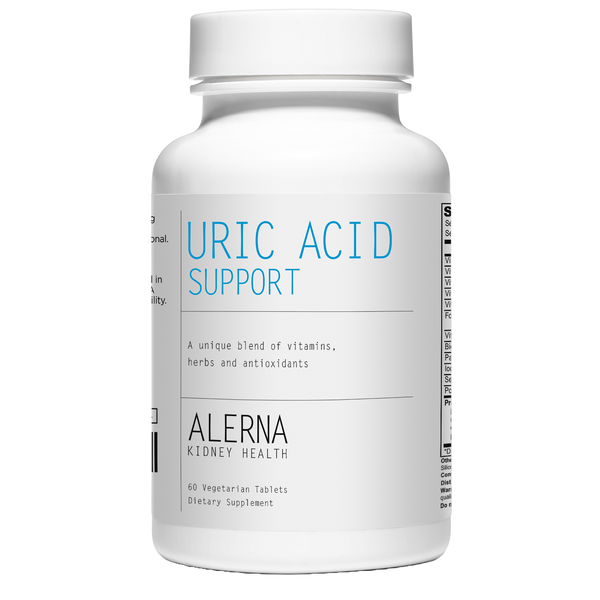
What Is Gout and How Does Diet Affect It?
Gout is a type of inflammatory arthritis that happens when excess uric acid builds up in the bloodstream. When levels remain high, sharp crystals can form in joints, often causing sudden pain, swelling, and redness.
The body creates uric acid as it breaks down purines, substances naturally present in red meat, organ meats, and certain seafood. Diets high in high-purine foods or sugary drinks can raise uric acid levels, while patterns that include low-fat dairy, whole grains, and fresh fruit have been observed to align with lower uric acid levels in some studies. Because diet plays such an important role, many people with gout focus on eating patterns that may support uric acid balance and overall wellness.
Is Yogurt Good for Gout?
Yogurt can be a good choice for people with gout when it is low-fat or nonfat and eaten in moderation. Research has found that low-fat dairy intake is linked to lower uric acid levels and a reduced risk of gout, suggesting that yogurt may play a supportive role in gout management. Some studies also indicate that dairy proteins, such as glycomacropeptides and milk fat extracts, may help reduce inflammation caused by uric acid crystals.
Although yogurt is not a treatment for gout, including plain, low-fat, or nonfat varieties in your diet can help replace foods higher in saturated fat and added sugar. These dietary choices support a healthy weight, metabolic balance, and overall gout prevention.

What Type of Yogurt Is Best for Gout?
Choosing the right yogurt is important for people managing gout because some ingredients, especially those high in fructose or saturated fats, can influence uric acid production. The goal is to choose yogurts that are low in added sugars and fat while providing nutrients that fit within a balanced gout diet.
Low-Fat or Nonfat Yogurt
Low-fat and nonfat yogurts are generally recommended for people with gout because they are low in purines and contain milk proteins that may influence uric acid metabolism. The National Kidney Foundation notes that drinking or eating more low-fat dairy and yogurt may help lower uric acid levels, which could reduce the frequency of gout flares.
Dairy also contains certain amino acids that may support the body’s ability to process and remove uric acid more effectively. Choosing plain, low-fat yogurt aligns with general dietary advice that limits saturated fats and supports healthy weight management, both of which are important for lowering the risk of gout flare-ups.
Greek Yogurt vs. Regular Yogurt
Greek yogurt contains more protein and a thicker texture than regular yogurt, which makes it satisfying and suitable for those aiming to maintain a healthy weight. Both options can fit within a gout diet, but nonfat Greek yogurt without added sugars is often preferred because it provides nutrients without contributing to excess calories or saturated fat that may worsen metabolic factors linked to gout.
Plain vs. Flavored Yogurt
Plain yogurt is a better choice for people monitoring uric acid levels. Flavored yogurts often include high fructose corn syrup, which has been associated with higher serum urate concentrations and an increased risk of gout when consumed frequently. Natural fruit-based sweetness from fresh berries or citrus fruits is a safer option, providing vitamin C and flavor without added sugars that can raise uric acid levels.

Plant-Based Yogurt Alternatives – Are They Safe?
Unsweetened plant-based yogurts made from almond or soy milk can be part of a gout-friendly diet when they are fortified with calcium and kept low in saturated fat. However, current research more consistently supports dairy-based yogurt for potential urate-lowering effects. As with all foods for managing gout, moderation and overall diet balance remain key.
Plant-Based Yogurt Alternatives – Are They Safe?
Unsweetened plant-based yogurts made from soy, oat, or rice milk can be reasonable options in a gout-friendly diet if they are fortified with calcium and kept low in saturated fat. The nutritional composition of these alternatives varies widely depending on the main ingredient.
Milk substitutes such as oat, soy, and rice milk tend to have mineral and oxalate levels more comparable to dairy milk, while almond and cashew-based products show higher oxalate concentrations, which may be less suitable for people managing uric acid-related conditions. Although this research focused on milk rather than yogurt, it highlights that not all plant-based options offer the same nutritional balance.
Because evidence on plant-based yogurt and uric acid levels remains limited, low-fat or nonfat dairy yogurt continues to be the most studied choice in the context of gout management. For those avoiding dairy, fortified soy or oat yogurt is likely a better alternative within a balanced gout diet.
PAIR LOW-FAT YOGURT WITH DAILY SUPPORT
Plain yogurt, balanced toppings, and sensible portions can fit naturally into your eating plan. Add Alerna Uric Acid Support to keep your broader daily wellness routine simple and consistent.
Add Daily Wellness SupportNutrients in Yogurt That May Support Gout Health
Yogurt contains milk proteins like casein and lactalbumin, which have been studied for their short-term effects on serum uric acid levels. In one controlled study, healthy participants who consumed these milk proteins showed a temporary decrease in uric acid concentration, while soy protein intake led to an increase.
These findings suggest that milk-based proteins may influence uric acid metabolism under certain conditions, but there is not enough evidence to confirm similar results in people with gout. Yogurt also provides calcium, vitamin D, and probiotics, nutrients that support overall health and can be part of a balanced gout diet.
How Much Yogurt Can You Eat With Gout?
A typical serving of yogurt is about one cup, which counts as a standard serving from the Dairy Group according to MyPlate.gov (2025). For people managing gout, low-fat or fat-free yogurt is generally preferred because it offers calcium, vitamin D, potassium, and protein without the excess saturated fat found in full-fat versions.
Including yogurt in the daily diet may also provide added benefits for uric acid balance. Consuming at least one serving of dairy per day, such as milk or yogurt, was associated with modest decreases in uric acid levels of approximately 0.25 mg/dL. This may be due to milk proteins like casein and lactalbumin, which can help the kidneys excrete uric acid more efficiently. Together, these findings suggest that moderate portions of low-fat yogurt can be a nutritious and practical part of a gout-friendly eating plan.

Other Dairy Foods and Gout – What the Research Says
Low-fat dairy foods such as milk, yogurt, and cheese have been associated with lower serum uric acid levels compared with full-fat dairy products. Low-fat dairy intake was linked to a reduced risk of gout, while diets higher in red meat, seafood, and alcohol were associated with higher uric acid levels.
In addition, including healthy plant-based foods alongside low-fat dairy was connected to a lower risk of developing gout.
Recent evidence also identified low-fat milk and cheese as key foods related to lower plasma urate concentrations and decreased gout risk in large cohort studies.
Together, these studies suggest that incorporating low-fat dairy products such as milk, yogurt, and cheese into a balanced gout diet may help support uric acid control and overall gout management.
Foods to Eat With Yogurt for a Gout-Friendly Diet
Pairing yogurt with nutrient-dense foods can help you build balanced meals that fit a gout-friendly diet.
Fruits like fresh or frozen cherries, berries, and citrus provide natural sweetness and nutrients.
Whole grains, such as oats, brown rice, or low-sugar granola, supply fiber and steady energy.
Nuts and seeds, eaten in moderation, offer healthy fats that complement overall gout management goals.
Foods to Limit or Avoid With Gout
Certain foods are frequently linked to higher uric acid levels and gout flare-ups. When enjoying yogurt, be mindful of what you pair it with.
Organ meats, red meat, and certain seafood are high in purines, which can increase uric acid production.
Sugary drinks and alcoholic beverages, especially those with high fructose corn syrup, may worsen gout symptoms in some people.
Flavored yogurts and sweetened desserts can raise blood sugar and contribute to excess uric acid buildup.

Practical Tips for Adding Yogurt to Your Gout Diet
Yogurt can fit naturally into daily meals as part of a balanced gout diet when portions and toppings are chosen with care.
Mix plain low-fat yogurt with fresh fruit or a small amount of tart cherry juice for variety.
Replace sugary desserts with Greek yogurt and berries topped with a drizzle of olive oil for healthy fats.
Blend yogurt with citrus fruits or chilled herbal tea for a refreshing, low-sugar drink.
Add yogurt to brown rice or whole grain oats for a creamy, protein-rich meal base.
TURN SMARTER YOGURT CHOICES INTO DAILY ACTION
Keep choosing plain yogurt, balanced toppings, steady hydration, and healthy everyday habits. Make Alerna Uric Acid Support your next proactive step toward a wellness routine you can maintain.
Shop Uric Acid SupportIs Yogurt Good for Gout?
Low-fat or nonfat yogurt can be a healthy addition to a gout-friendly diet when eaten in moderation. Studies suggest that dairy foods, especially low-fat varieties, are linked with lower uric acid levels, though results can vary between individuals.
Choosing plain yogurt without added sugars supports balanced nutrition, helps manage body weight, and promotes overall wellness. When combined with fruits, whole grains, and healthy fats, yogurt can play a supportive role in maintaining steady uric acid levels and reducing the likelihood of gout flare-ups over time.
While plant-based yogurts can be included for those avoiding dairy, the strongest evidence still supports low-fat dairy yogurt as the better choice for managing uric acid. Fortified soy or oat versions are reasonable alternatives, but they do not show the same urate-lowering effects seen with dairy-based options.
Frequently Asked Questions
Does yogurt increase uric acid levels?
Low-fat yogurt does not appear to raise uric acid levels. In fact, studies suggest that low-fat dairy may help support normal uric acid metabolism and lower gout risk when part of a balanced diet.
Is Greek yogurt better for gout than regular yogurt?
Both can fit well in a gout-friendly diet if they are plain and low-fat. Greek yogurt provides more protein, which can help with fullness and weight management without adding purines that raise uric acid.
Can plant-based yogurt help with gout?
Unsweetened soy or oat yogurts can be used as dairy alternatives, especially if they are fortified with calcium and vitamin D. However, research shows that low-fat dairy yogurt remains more consistently linked to lower uric acid levels than plant-based options.
How often should you eat yogurt if you have gout?
A moderate portion (around one cup of low-fat or nonfat yogurt per day) fits well within most gout management plans. Pairing it with fruits rich in vitamin C, such as cherries or citrus, may provide additional benefits.
What other dairy products are safe for gout?
Low-fat milk, cheese, and kefir are generally safe and beneficial for people with gout. They supply key nutrients like calcium and protein while keeping saturated fat intake low, supporting both uric acid balance and heart health.
Medical Disclaimer:
The information provided in this article is for educational and informational purposes only and should not be considered a substitute for professional medical advice, diagnosis, or treatment. Please consult with your healthcare provider before starting any new dietary supplement, especially if you are pregnant, nursing, have a medical condition, or are taking other medications. Never disregard professional medical advice or delay in seeking it because of something you have read in this article.
References
Borin, J. F., Knight, J., Holmes, R. P., Joshi, S., Goldfarb, D. S., & Loeb, S. (2022). Plant-Based Milk Alternatives and Risk Factors for Kidney Stones and Chronic Kidney Disease. Journal of renal nutrition : the official journal of the Council on Renal Nutrition of the National Kidney Foundation, 32(3), 363–365. https://doi.org/10.1053/j.jrn.2021.03.011
Dalbeth, N., & Palmano, K. (2011). Effects of dairy intake on hyperuricemia and gout. Current rheumatology reports, 13(2), 132–137. https://doi.org/10.1007/s11926-010-0160-8
Garrel, D. R., Verdy, M., PetitClerc, C., Martin, C., Brulé, D., & Hamet, P. (1991). Milk- and soy-protein ingestion: acute effect on serum uric acid concentration. The American journal of clinical nutrition, 53(3), 665–669. https://doi.org/10.1093/ajcn/53.3.665
Helget, L. N., & Mikuls, T. R. (2022). Environmental Triggers of Hyperuricemia and Gout. Rheumatic diseases clinics of North America, 48(4), 891–906. https://doi.org/10.1016/j.rdc.2022.06.009
Kakutani-Hatayama, M., Kadoya, M., Okazaki, H., Kurajoh, M., Shoji, T., Koyama, H., Tsutsumi, Z., Moriwaki, Y., Namba, M., & Yamamoto, T. (2015). Nonpharmacological Management of Gout and Hyperuricemia: Hints for Better Lifestyle. American journal of lifestyle medicine, 11(4), 321–329. https://doi.org/10.1177/1559827615601973
National Kidney Foundation. (2025, August 7). What to eat (and avoid) if you have gout. https://www.kidney.org/news-stories/what-to-eat-and-avoid-if-you-have-gout
Rai, S. K., Wang, S., Hu, Y., Hu, F. B., Wang, M., Choi, H. K., & Sun, Q. (2024). Adherence to Healthy and Unhealthy Plant-Based Diets and the Risk of Gout. JAMA network open, 7(5), e2411707. https://doi.org/10.1001/jamanetworkopen.2024.11707
U.S. Department of Agriculture. (2025). Dairy. MyPlate.gov. https://www.myplate.gov/eat-healthy/dairy
Wang, X., Rai, S. K., Zhang, W., Wang, M., Liu, B., Hu, Y., Wang, S., Han, H., Hao, Y., Choi, H. K., & Sun, Q. (2025). Empirical dietary index for lower urate concentrations and risk of gout: evidence from cohort studies. The American journal of clinical nutrition, 122(3), 793–802. https://doi.org/10.1016/j.ajcnut.2025.06.021


