


Table of Contents
High uric acid levels often build up quietly in the body. Many people only begin thinking about a uric acid cleanse after joint stiffness, swelling, or signs of kidney strain appear. This buildup, known as hyperuricemia, can affect joint health and kidney filtration before gout pain or arthritis symptoms develop. As levels rise, the body must work harder to remove waste through urine.
A uric acid cleanse is not a cure or a medical treatment. In a wellness context, it refers to supporting the body’s natural elimination process through hydration, food choices, and targeted nutrients.
This information is for educational purposes only and does not replace guidance from a qualified healthcare professional.
TURN YOUR 3-DAY RESET INTO A SMARTER ROUTINE
Starting with hydration and mindful food choices? Add Alerna Uric Acid Support to your proactive wellness routine.
Explore Uric Acid Support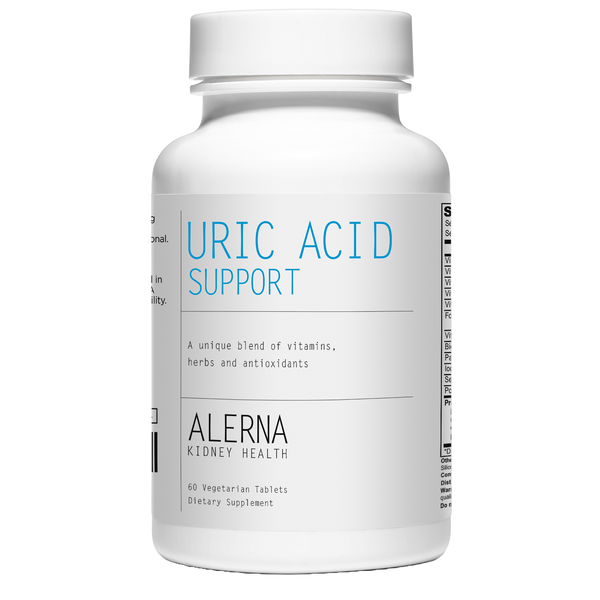
What Is Uric Acid And Why Does It Build Up?
Uric acid is a waste product created when the body breaks down purines. Purines come from certain foods and from normal cell turnover as the body renews itself. During digestion and metabolism, purines are processed in the liver and converted into uric acid, which then enters the bloodstream. Problems arise when uric acid production is higher than removal.
The kidneys are the primary filter for uric acid. They clear it from the blood and send it out of the body through urine. When kidney filtration slows, or purine intake rises, excretion may not keep up. Over time, this can increase the risk of gout attacks and joint discomfort.
Common Triggers Of High Uric Acid
Several everyday foods and habits can raise uric acid levels. Over time, repeated daily choices influence how the body breaks down purines, how the liver converts them into uric acid, and how efficiently the kidneys remove uric acid through urine.
Poor hydration, frequent snacking, and higher body weight can slow elimination and add stress to joints and kidneys. Making simple changes early can help keep uric acid levels easier to manage.
Common triggers include:
High-fructose corn syrup and excess sugar in sodas, sweetened drinks, and processed foods
Alcohol, which can reduce uric acid excretion and increase dehydration, while beer also adds extra purines
Red meat and organ meats, which are high in purines and can contribute to higher uric acid levels when consumed regularly
Reducing these triggers lowers the daily uric acid load and supports a lower long-term risk.

How To Perform The 3-Day Uric Acid Cleanse Protocol
The 3-day uric acid cleanse protocol follows a simple sequence to reduce purine intake, support elimination, and encourage healthy metabolism. Each step builds on the last to create a gentle uric acid reset. The process avoids fasting and harsh detox methods. Consistency matters more than intensity.
Step 1: Focus on Maximum Hydration and pH Balance
This step supports kidney filtration and urine output. Drinking enough water helps dilute uric acid in the bloodstream and supports excretion. Lemon water and alkaline-forming foods may help manage overall acid load during digestion. Hydration sets the foundation for the entire cleanse.
Steady water intake throughout the day works better than large amounts at one time. Dehydration concentrates uric acid and can worsen symptoms. Herbal teas and plain water both support this phase. Enough fluid allows the body to clear waste in a natural way.
Step 2: Transition To A Low-Purine Food List
This step removes the main fuel that increases uric acid production. Low-purine foods help reduce the amount of uric acid that forms during digestion. Whole grains, vegetables, and fruit provide nutrients without purine overload. Energy stays steadier without adding extra strain on metabolism.
Low-fat dairy, including low-fat milk and yogurt, fits well during this phase. These foods provide protein without the purine load of red meat or seafood. Complex carbohydrates support digestion and overall wellness. Balanced intake helps prevent fatigue.
Step 3: Add Targeted Natural Support For Elimination
This step introduces nutrients that may support healthy uric acid metabolism and elimination. Tart cherry, celery seed extract, and vitamin C are commonly included in wellness routines for this purpose. Tart cherries provide antioxidants that are frequently discussed in research related to joint comfort. These nutrients work best when combined with supportive food choices and consistent hydration.
These supports are intended to assist normal bodily functions. They are not intended to diagnose, treat, cure, or prevent disease, and they do not replace prescribed medical care.
KEEP YOUR URIC ACID ROUTINE MOVING FORWARD
Hydration and lower-purine meals set the foundation. Complement those habits with Alerna Uric Acid Support.
See Uric Acid SupportWhat Is The 3-Day Meal Plan For Uric Acid Reduction?
A simple 3-day meal plan removes guesswork during the cleanse. The focus stays on hydration, fiber, and gentle nutrition. Meals remain easy to follow and flexible, which helps with adherence. This structure supports digestion and elimination.
Day 1: The Flush
Focus on fluids, herbal teas, and water-dense fruits such as cucumbers and watermelon. Light vegetable broths are acceptable. Heavy protein and added sugar are avoided.
Day 2: Fiber & Neutralization
Introduce whole grains, lentils, and legumes to support digestion. Fiber helps bind waste during elimination. Vegetables remain the primary focus, with moderate portions of low-purine plant foods.
Day 3: Restoration & Maintenance
Add lean, plant-based protein while continuing strong hydration habits. Meals prepare the body for longer-term habits after the 3-day reset. The emphasis shifts from restriction to balance.
This progression supports elimination first, then stabilization, so that results are easier to maintain through everyday habits.

Who Should Avoid A Cleanse?
Anyone with kidney disease, gout, or medications that affect uric acid should talk with a healthcare professional before starting a cleanse of any kind. Individual needs vary, and safety always comes first.
Consider avoiding or stopping a uric acid cleanse if:
Kidney disease or a history of kidney stones is present
Gout flares are active or frequent
Medications that affect uric acid levels are being used
Crash dieting or extreme fasting is planned
Dizziness, weakness, nausea, or new pain starts during the cleanse
Crash dieting and rapid weight loss can increase uric acid levels by raising tissue breakdown and purine release. Balanced intake supports metabolism and joint health.
This content does not provide medical advice and is not a substitute for care from a licensed healthcare provider. Always consult a doctor or licensed healthcare provider before beginning or continuing a cleanse to ensure it is safe for your specific health situation.

How Do You Keep Uric Acid Levels Steady Post-Reset?
Long-term balance depends on consistency rather than intensity. A 3-day reset works best as an introduction, not as a repeated solution. Daily hydration, food quality, movement, and sleep patterns influence uric acid balance more than short-term interventions.
3-Day Reset As A Starting Point
A short uric acid reset can highlight which foods, drinks, and habits tend to trigger discomfort. That insight becomes more useful when it shapes everyday choices, such as choosing more low-purine meals and drinking water throughout the day.
Repeating strict cleanses can place stress on the body. A gentler approach uses the 3-day reset to create awareness, then shifts toward realistic routines that fit regular life.
Supplementation For Everyday Support
Supplementation can play a supportive role in everyday wellness routines. Alerna’s formulas are designed to complement hydration and dietary habits rather than replace them.
When used consistently, supplements can provide nutritional support that complements hydration and dietary habits as part of a broader wellness routine. Any new supplement plan should be discussed with a healthcare professional, especially for people who take medications or live with chronic conditions.
Weight Management And Long-Term Stability
Weight management also influences uric acid balance. A healthy BMI supports metabolism and may help reduce uric acid production over time.
Rapid weight loss and crash diets can increase tissue breakdown and purine release. Gradual changes in portion size, food quality, and activity level protect metabolism and joint health, making long-term stability more achievable after a 3-day reset.
MAKE YOUR RESET HABITS LAST BEYOND THREE DAYS
Keep hydration and mindful eating consistent. Make Alerna Uric Acid Support part of your proactive daily routine.
Start Your RoutineReady To Start Your Reset?
A safe and effective uric acid reset focuses on hydration, food choices, and targeted nutrients. A three-day approach helps reduce intake, support elimination, and encourage balance. Each step works alongside normal bodily processes rather than forcing rapid change.
To carry that momentum past three days, Alerna's Uric Acid Support - 60 Vegetarian Tablets is made to complement the same habits this reset builds on: steady hydration, lower-purine eating, and consistent routines. It supports normal bodily functions and is not intended to diagnose, treat, cure, or prevent disease. Talk with your healthcare provider before starting, especially if you have kidney disease, a history of kidney stones, gout, or take medications that affect uric acid.
Frequently Asked Questions
How fast can I lower my uric acid levels?
Uric acid levels usually change over days to weeks, not overnight, because the body needs time to adjust production and excretion.
Does drinking water actually flush out uric acid?
Yes, drinking enough water helps dilute uric acid in the blood and supports the kidneys in removing it through urine.
Can I exercise during a 3-day uric acid cleanse?
Light, low-impact movement like walking or stretching is fine, while intense workouts may temporarily raise uric acid levels.
What are the best fruits for a uric acid reset?
Cherries and berries are often recommended because they are low in purines and rich in antioxidants that support joint and metabolic health.
Can supplements help lower uric acid levels?
Some supplements may support uric acid balance by supporting kidney function or reducing inflammation, but results vary, and they should be used under a healthcare provider's guidance.
Medical Disclaimer:
The information provided in this article is for educational and informational purposes only and should not be considered a substitute for professional medical advice, diagnosis, or treatment. Please consult with your healthcare provider before starting any new dietary supplement, especially if you are pregnant, nursing, have a medical condition, or are taking other medications. Never disregard professional medical advice or delay in seeking it because of something you have read in this article.
References
Arthritis Foundation. (n.d.). Gout diet dos and don’ts. https://www.arthritis.org/health-wellness/healthy-living/nutrition/healthy-eating/gout-diet-dos-and-donts
George, C., Leslie, S. W., & Minter, D. A. (2023). Hyperuricemia. In StatPearls. StatPearls Publishing. https://www.ncbi.nlm.nih.gov/books/NBK459218/
Kiyani MM, Sohail MF, Shahnaz G, Rehman H, Akhtar MF, Nawaz I, Mahmood T, Manzoor M, Bokhari SAI. Evaluation of Turmeric Nanoparticles as an Anti-Gout Agent: Modernization of a Traditional Drug. Medicina (Kaunas). 2019 Jan 11;55(1):10. doi: 10.3390/medicina55010010. PMID: 30642012; PMCID: PMC6359362.
Rho YH, Zhu Y, Choi HK. The epidemiology of uric acid and fructose. Semin Nephrol. 2011 Sep;31(5):410-9. doi: 10.1016/j.semnephrol.2011.08.004. PMID: 22000647; PMCID: PMC3197219.
U.S. Department of Agriculture, Agricultural Research Service. (n.d.). Purine content of foods. https://www.ars.usda.gov/northeast-area/beltsville-md-bhnrc/beltsville-human-nutrition-research-center/methods-and-application-of-food-composition-laboratory/mafcl-site-pages/purine-content-of-foods/


